1
Basic mode of operation
Home
Download
12/61
Manual Eggs
API Browser
show edit history
Free Text
Tests
Bugs
Identifier
search
Search Help
Basic mode of operation
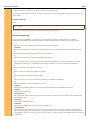
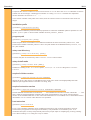
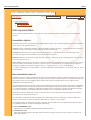
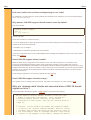
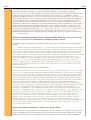
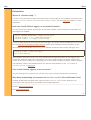
The compiler translates Scheme source code into fairly portable C that can be compiled and linked with
most available C compilers. CHICKEN supports the generation of executables and libraries, linked either
statically or dynamically. Compiled Scheme code can be loaded dynamically, or can be embedded in
applications written in other languages. Separate compilation of modules is fully supported.
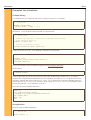
The most portable way of creating separately linkable entities is supported by so-called units. A unit is a
single compiled object module that contains a number of toplevel expressions that are executed either
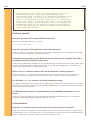
when the unit is the main unit or if the unit is used. To use a unit, the unit has to be declareed as used, like
this:
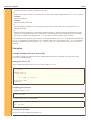
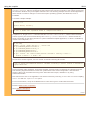
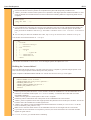
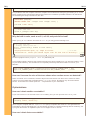
(declare (uses UNITNAME))
The toplevel expressions of used units are executed in the order in which the units appear in the uses
declaration. Units may be used multiple times and uses declarations may be circular (the unit is initialized
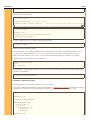
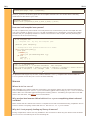
at most once). To compile a file as a unit, add a unit declaration:
(declare (unit UNITNAME))
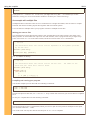
When compiling different object modules, make sure to have one main unit. This unit is called initially and
initializes all used units before executing its toplevel expressions. The main-unit has no unit declaration.
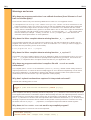
Another method of using definitions in separate source files is to include them. This simply inserts the
code in a given file into the current file:
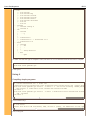
(include "FILENAME")
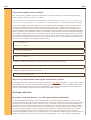
Macro definitions are only available when processed by include or import. Macro definitions in separate
units are not available, since they are defined at compile time, i.e the time when that other unit was
compiled (macros can optionally be available at runtime, see define-syntax in Substitution forms and
macros).
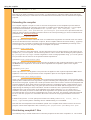
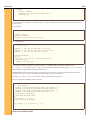
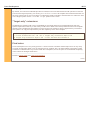
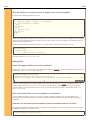
On platforms that support dynamic loading of compiled code (Windows, most ELF based systems like
Linux or BSD, MacOS X, and others) code can be compiled into a shared object .dll, .so, .dylib) and
loaded dynamically into a running application.
Previous: Getting started
Next: Using the compiler
manual