1
Chapter 40
named — Domain Name Server
This chapter follows on from Chapter 27.
There seems to be a lot of hype that elevates the name server to something mystical and illusive. In fact, setting up a nameserver is a standard and trivial exercise.
A nameserver daemon is also no heavyweight service: The named executable is
500kB, and consumes little CPU.
The package that the name server comes in is called bind. This chapter assumes
a bind of approximately bind-8.2 or later. bind stands for Berkeley Internet Name
Domain.
The difficulty with setting up a nameserver is that the configuration files are impossible to construct from the specification without making some kind of typing error.
The solution is quite simple: never create a nameserver config file from scratch.
always copy one from an existing working name server. Here we will give more example configuration files than explanation. You can copy these examples to create your
own nameserver.
Please note before running bind that it has security vulnerabilities. Hence it may
be possible for someone to hack your machine if you are running an old version. Many
are also sceptical about even the latest versions of bind (9.1 at the time of writing) even
though no security holes have been announced at the time of writing. An alternative
is djbdns which is purported to be the ultimate DNS server.
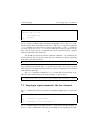
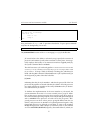
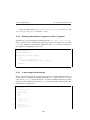
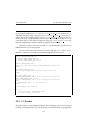
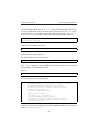
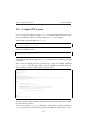
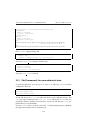
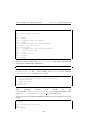
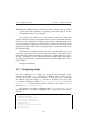
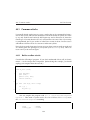
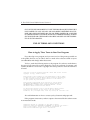
Before you even start working on nameserver configuration, you should start a
new terminal window with the command:
¨
¥
tail -f /var/log/messages
§
¦
423