1
Table of Contents
• NEVER allow any part of the body to touch the fluid stream.
DO NOT allow body to touch a leak in the fluid hose.
• NEVER put hand in front of the gun. Gloves will not
provide protection against an injection injury.
• ALWAYS lock gun trigger, shut pump off, and release all
pressure before servicing, cleaning tip or guard, changing
tip, or leaving unattended. Pressure will not be released
by turning off the motor. The PRIME/SPRAY valve handle
must be turned to PRIME to relieve the pressure. Refer to
the PRESSURE RELIEF PRESSURE described in the
pump manual.
• ALWAYS keep tip guard in place while spraying. The tip
guard provides some protection but is mainly a warning
device.
• ALWAYS remove the spray tip before flushing or cleaning
the system.
• Paint hose can develop leaks from wear, kinking and
abuse. A leak can inject material into the skin. Inspect
the hose before each use.
• NEVER use a spray gun without a working trigger lock
and trigger guard in place.
• All accessories must be rated at or above 3200 PSI/221
BAR. This includes spray tips, guns, extensions, and
hose.
Safety Precautions .................................................................2
Français ..............................................................................14
Español ...............................................................................16
General Description ...............................................................4
Operation ................................................................................4
Setup ....................................................................................4
Preparing to Paint .................................................................4
Painting .................................................................................5
Pressure Relief Procedure ...................................................5
Spraying ..................................................................................6
Spraying Technique ..............................................................6
Practice .................................................................................6
Cleanup ...................................................................................6
Maintenance............................................................................7
General Repair and Service Notes.......................................7
Replacing the PRIME/SPRAY Valve.....................................7
Replacing the Filters .............................................................8
Replacing the Motor Assembly .............................................8
Replacing the Gears .............................................................9
Replacing the Transducer.....................................................9
Servicing the Fluid Section .................................................10
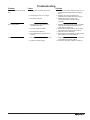
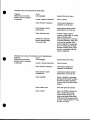
Troubleshooting ...................................................................12
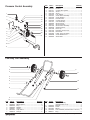
Parts List ...............................................................................18
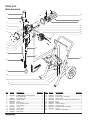
Main Assembly....................................................................18
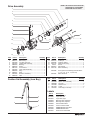
Drive Assembly ...................................................................19
Suction Set Assembly (Low Boy) .......................................19
Labels .................................................................................19
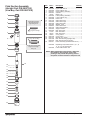
Fluid Section Assembly ......................................................20
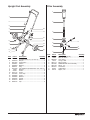
Upright Cart Assembly ........................................................21
Filter Assembly ...................................................................21
Pressure Control Assembly ................................................22
Low Boy Cart Assembly......................................................22
PRIME/SPRAY Assembly ...................................................23
Electrical Schematic ...........................................................23
Accessories ........................................................................23
Limited Warranty ..................................................................24
NOTE TO PHYSICIAN:
Injection into the skin is a traumatic injury. It is
important to treat the injury as soon as possible. DO
NOT delay treatment to research toxicity. Toxicity is a
concern with some coatings injected directly into the
blood stream. Consultation with a plastic surgeon or
reconstructive hand surgeon may be advisable.
HAZARD: EXPLOSION AND FIRE - Solvent and paint
fumes can explode or ignite. Severe injury
and/or property damage can occur.
PREVENTION:
• Provide extensive exhaust and fresh air introduction to
keep the air within the spray area free from accumulation
of flammable vapors.
• Avoid all ignition sources such as static electricity sparks,
electrical appliances, flames, pilot lights, hot objects, and
sparks from connecting and disconnecting power cords or
working light switches.
• Do not smoke in spray area.
• Fire extinguisher must be present and in good working
order.
• Place pump at least 20 feet (6.1 m) from the spray object
in a well ventilated area (add more hose if necessary).
Flammable vapors are often heavier than air. Floor area
must be extremely well ventilated. The pump contains
arcing parts that emit sparks and can ignite vapors.
• The equipment and objects in and around the spray area
must be properly grounded to prevent static sparks.
• Use only conductive or grounded high-pressure fluid hose.
Gun must be grounded through hose connections.
• Power cord must be connected to a grounded circuit.
• Always flush unit into separate metal container, at low
pump pressure, with spray tip removed. Hold gun firmly
against side of container to ground container and prevent
static sparks.
• Follow material and solvent manufacturer's warnings and
instructions.
• Use extreme caution when using materials with a
flashpoint below 70° F (21° C). Flashpoint is the
temperature at which a fluid can produce enough vapors
to ignite.
• Plastic can cause static sparks. Never hang plastic to
enclose spray area. Do not use plastic drop cloths when
spraying flammable materials.
• Use lowest possible pressure to flush equipment.
Safety Precautions
This manual contains information that must be read and
understood before using the equipment. When you come to an
area that has one of the following symbols, pay particular
attention and make certain to heed the safeguard.
WARNING
This symbol indicates a potential hazard that may cause
serious injury or loss of life. Important safety information will
follow.
CAUTION
This symbol indicates a potential hazard to you or to the
equipment. Important information that tells how to prevent
damage to the equipment or how to avoid causes of minor
injuries will follow.
NOTE: Notes give important information which should
be given special attention.
WARNING
HAZARD: Injection injury - A high pressure fluid stream
produced by this equipment can pierce the
skin and underlying tissues, leading to serious
injury and possible amputation. See a
physician immediately.
DO NOT TREAT AN INJECTION INJURY AS A SIMPLE
CUT! Injection can lead to amputation. See a physician
immediately.
The maximum operating range of the sprayer is 3200
PSI/221BAR fluid pressure.
PREVENTION:
• NEVER aim the gun at any part of the body.
2
© SprayTECH. All rights reserved.