1
11
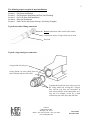
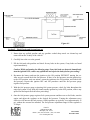
Figure 4-1
Section 5 – Final Checks and System Start-up
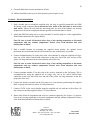
1. Ensure that any spilled gasoline and any gasoline soaked shop towels are cleaned up and
removed from the vicinity of the vehicle!
2. Carefully lower the car to the ground.
3. Fill the fuel tank with gasoline and check for any leaks in the system, if any leaks are found
repair immediately.
Caution: While performing the following steps, if any fuel leaks are detected, immediately
turn the ignition OFF, remove any spilled fuel and repair the leak(s) before proceeding!
4. Reconnect the battery and turn the ignition to the ON position WITHOUT starting the car.
After several seconds check the fuel pressure. If there is no fuel pressure, turn the ignition key
to the OFF position, wait one minute, return the ignition to the ON position, and recheck the
fuel pressure. Repeat this ignition OFF and ON procedure until the fuel pressure gauge
registers fuel pressure.
5. With the fuel pressure gauge registering fuel system pressure, check for leaks throughout the
entire fuel system! If any leaks are found, turn the ignition key to the OFF position, remove any
spilled fuel and repair the leak before proceeding!
6. Once the fuel pressure gauge registers fuel system pressure and there are no fuel leaks, start the
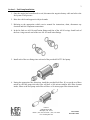
engine and adjust the regulator to the desired fuel pressure. Turning the adjustment screw
clockwise will increase the fuel pressure. OEM regulators are typically set at approximately 43
psi, without the vacuum line attached. The fuel pressure adjustment range for this regulator is
35-80 psi.
FAST™
3400 Democrat Rd.
Memphis, TN 38118
Phone: (901) 260-3278 Fax: (901) 375-3408
www.fuelairspark.com
Part #30161
Revised 8/14/07