1
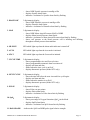
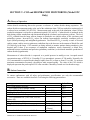
CO2 measurement can be affected by:
- changes in atmospheric pressure
- halogenated anesthetic vapors
- N2O, O2, and water vapor
- calibration drift
- fluid contamination
Inaccurate determinations of CO2 readings can be caused by:
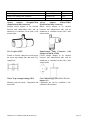
- reuse of or failure to change disposable cannula/water trap
- cannula not positioned properly
Never reuse the disposable single-use cannula/water traps.
The automatic occlusion purge should clear the tubing of moisture within one minute. If not, check for
tubing kinks, full trap, or thick fluids. Replace line or trap if necessary.
The common causes of occlusion are condensed water, patient secretions or kinked sample line. Thick
secretions can occlude tubing. Replace occluded disposable traps and lines — do not try to clean them.
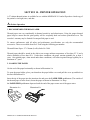
It is highly unlikely that fluids will enter the monitor; nevertheless, do not let unit tilt more than 40° from
horizontal to prevent aspirating patient fluids into the monitor from the trap. Remove used traps when
transporting the unit to prevent fluids from entering the monitor.
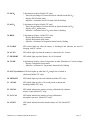
Fluid entry into the monitor may be suspected if:
- the water trap has become completely full and triggered an occlusion alarm
during normal operation
- the monitor has been tilted beyond 40 degrees while a fluid filled water trap is
mounted
- large droplets of fluid are observed above the steel ball in the water trap.
Entry of fluid into the monitor should be presumed if the CO2 shows a high reading that does not return to
within a few mmHg of zero when drawing only room air. If fluids have entered the monitor , remove it
from service immediately. Let it run for two hours, drawing room air through a new trap. Perform a
calibration. If it is successful, the unit may be returned to service. If the unit fails to perform properly,
return the unit to the factory for servicing.
MINIPACK 911 SERIES OPERATORS MANUAL
Page 48