1
CESSNA AIRCRAFT COMPANY
MODEL FR172 SERIES
SERVICE MANUAL
(3)
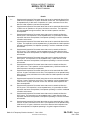
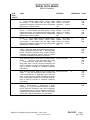
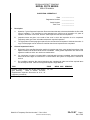
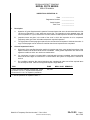
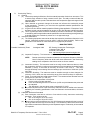
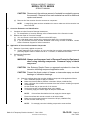
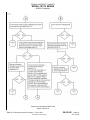
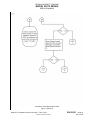
Do a visual inspection of all of the Principal Structural Elements (PSEs) and other structure given
in the corrosion inspection for corrosion, cracking and deformation.
(a) Carefully examine the areas that show that corrosion has occurred before.
NOTE:
Areas that need a careful inspection are given in the corrosion inspection.
(b)
(4)
(5)
(6)
(7)
(8)
7.
Baseline Program Implementation
A.
8.
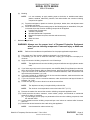
Use the Service Difficulty Reporting System to report all Level 2 and Level 3 Corrosion results to the
FAA and to Cessna Aircraft Company. All corrosion reports received by Cessna Aircraft Company will
be reviewed to determine if the Baseline Program is adequate.
Corrosion Related Airworthiness Directives
A.
11.
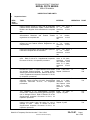
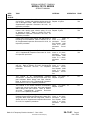
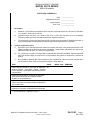
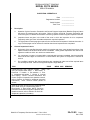
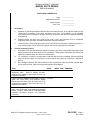
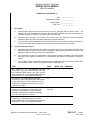
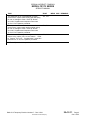
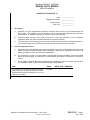
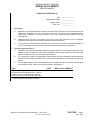
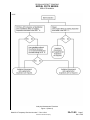
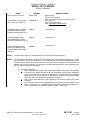
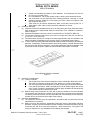
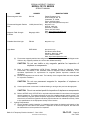
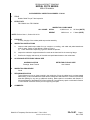
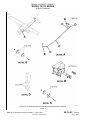
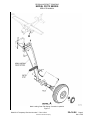
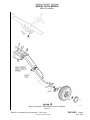
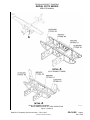
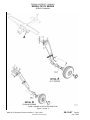
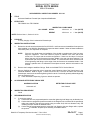
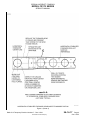
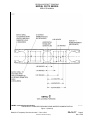
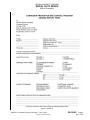
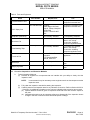
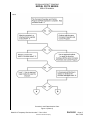
Corrosion Prevention and Control Program Reporting System (Refer to Figure 2).
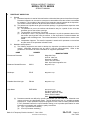
(1) The Corrosion Prevention and Control Program (CPCP) includes a system to report to Cessna
Aircraft Company data that will show that the Baseline Program is sufficient and, if necessary,
make changes.
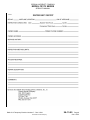
(2) At the start of the second Corrosion Program Inspection of each area, report all Level 2 and
Level 3 Corrosion results that are listed in the Baseline Program to Cessna Aircraft Company.
Send the Control Prevention and Control Program Damage Reporting Form to: Cessna Aircraft
Company, Customer Service, P.O. Box 7706, Wichita, KS, 67277 USA Phone: (316) 517-5800,
FAX: (316) 517-7271.
Periodic Review
A.
10.
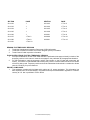
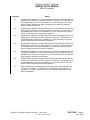
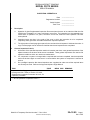
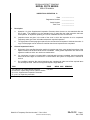
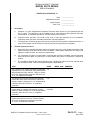
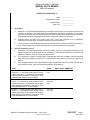
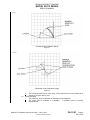
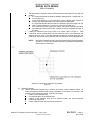
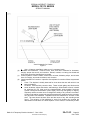
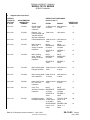
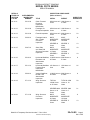
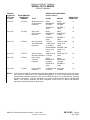
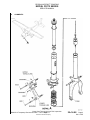
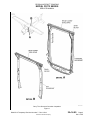
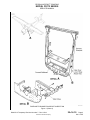
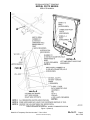
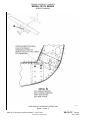
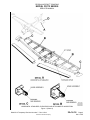
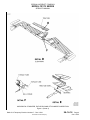
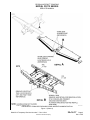
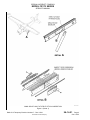
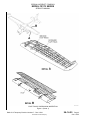
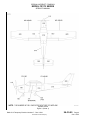
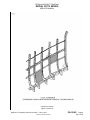
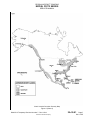
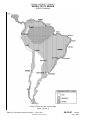
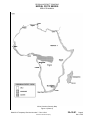
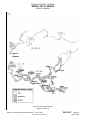
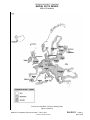
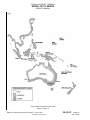
The Baseline Program is divided into specific inspection areas and zone locations. The inspection
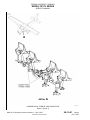
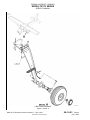
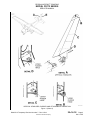
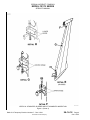
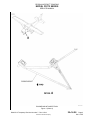
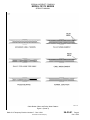
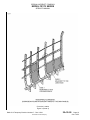
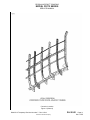
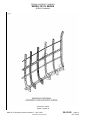
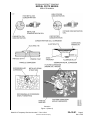
areas and zone locations apply to all airplanes. Refer to Figure 1, Airplane Zones.
Reporting System
A.
9.
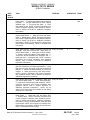
Nondestructive testing inspections or visual inspections can be needed after some
disassembly if the inspection shows a bulge in the skin, corrosion under the splices or
corrosion under fittings. Hidden corrosion will almost always be worse when fully exposed.
Remove all of the corrosion, examine the damage and repair or replace the damaged structure.
(a) Apply a protective finish where it is required. .
(b) Clean or replace the ferrous metal fasteners with oxidation.
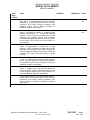
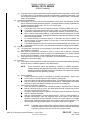
Remove blockages of foreign object debris so that the holes and clearances between parts can
drain.
For bare metal on any surface of the airplane, apply corrosion prevention primer, refer to the
Application of Corrosion Preventative Compounds.
(a) Apply a polyurethane topcoat paint to the exterior painted surface. Refer to the
manufacturer's procedures.
Install the dry insulation blankets.
Install the equipment and airplane interior that was removed to do the corrosion inspection.
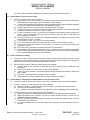
Safety-related corrosion conditions transmitted by a Service Bulletin can be mandated by
an Airworthiness Directive (AD). Airworthiness Directives can be found on the FAA website:
www.faa.gov.
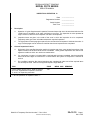
Appendix A - Development Of The Baseline Program
A.
The Corrosion Prevention and Control Program Baseline Program
(1) The function of the Corrosion Prevention and Control Program (CPCP) is to give the minimum
procedures necessary to prevent and control corrosion so that continued airworthiness is not at
risk. The Principal Structural Elements (PSE's) are areas where the CPCP applies.
(2) The CPCP Baseline Program consists of a Corrosion Program Inspection (CPI) and an
inspection time. Each inspection is to be done in an airplane zone.
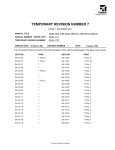
D849-5-13 Temporary Revision Number 7 - Dec 1/2011
© Cessna Aircraft Company
2A-30-00
Page 3
Oct 1/1975