1
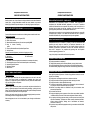
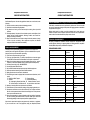
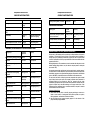
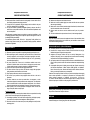
Independent Structures Inc. Independent Structures Inc. CODE OF SAFE PRACTICES CODE OF SAFE PRACTICES Job site vehicles/equipment must be equipped with the following: Operable service, emergency, and parking brakes Two operable headlights and taillights Windshield wipers and defogging equipment Seatbelts if the vehicle has rollover protection structures Fenders or mud flaps Vehicles/Equipment must be checked for proper operation at the start of each shift. Employees will use the Vehicle/Equipment Checklist. Any damage, defects, or safety concerns identified must be immediately reported to your supervisor and/or the Equipment Manager. The equipment must be tagged “DO NOT USE” until appropriate repairs and/or adjustments are made. Rollover protection structures and seat belts must be installed and used for the following equipment with brake horsepower rating above 20: Crawler Tractor Bulldozer Front-end loader Rollers and Compactors (> 5,950 lbs). Scraper Tractor (except side boom pipe laying) Water Wagon Prime Mover Sheepfoot-type Rollers, Compactors Motor Grader Haulage and earthmoving equipment safety standards include: Every vehicle having a body capacity of 2.5 cubic yards or more must be equipped with an automatic back-up alarm that sounds immediately on backing. All other vehicles operating when rear vision is blocked must be equipped with an automatic back-up alarm or its equivalent. All vehicles must be equipped with a manually operated warning device. Haulage vehicles in operation must be under operator control and must be kept in gear when descending grades. The brakes on a haulage vehicle must meet the criteria specified by the CSOs. The control devices on a haulage vehicle must be inspected at the beginning of each shift. Exposed scissor points on front-end loaders must be guarded. Lights are required for night operations. Vehicles loaded by cranes, shovels, loaders, and similar devices must have an adequate cab or canopy for operator protection. Dust control is required when dust limits visibility. Respirators are required for drivers when air contamination becomes hazardous. Industrial tractor operator’s instructions must be posted in a conspicuous place, and operators must be able to understand them. Safety tips include: Wear your hardhat and seatbelt at all times Always use the 3-point contact rule when getting on and off equipment Make sure co-workers are clear before starting the equipment. Equipment should never be backed up/out unless there is someone to check the blind spots and give the appropriate signals. Never allow anyone to ride on the running board, load, etc. Maintain eye contact with your spotter. Stay aware of your co-workers and surroundings. Only one individual should be giving signals. HEAVY EQUIPMENT (WORKING AROUND) When construction equipment is operating, stay alert and aware of your surroundings at all times. The only way to avoid a serious accident is if both construction/ground workers and equipment operators stay aware of the activity around them. Safety tips include: Never take for granted that the equipment operator sees you. Don’t depend solely on hearing a horn or other audible warning signal that equipment is backing up. Stay out of the equipment operator’s blind spot. If you can’t see the operator, the operator can’t see you. Stay out the swing radius of the equipment. Do not walk under loads – it might drop! HOUSEKEEPING/SITE CLEANING Listed below are the general requirements for housekeeping to which all work sites are subject: Work surfaces, passageways, and stairs must be kept clear of equipment, materials, and debris. Ground areas within 6 ft. of buildings under construction must be kept reasonably free of irregularities. Storage areas and walkways on construction sites must be kept reasonably free of dangerous depressions, obstructions, and debris. Piled or stacked material must be placed in stable stacks to prevent it from falling, slipping, or collapsing. HYDRAULIC SHORING Do not put your fingers inside the channel of the rail while folding or moving the shore. They can be cut or pinched on the pivot points. If you are not trained and familiar with working with shoring, let your supervisor know immediately. Improper installation and/or removal can result in injury. INJURY & ILLNESS PREVENTION PROGRAM (IIPP) All California employers are required to implement and maintain an Injury and Illness Prevention Program (IIPP). The company program is available for review on the Independent Structures website. All Superintendents and Foremen have copies available for review upon request, or you may contact the HR Manager at the R e d d i n g Office for