1
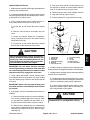
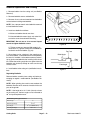
G. Take a voltage reading at 15 seconds, then remove the load.
B. Temperature correct each cell reading. For each
10oF (5.5oC) above 80oF (26.7oC) add 0.004 to the
specific gravity reading. For each 10oF (5.5oC) below 80oF (26.7oC) subtract 0.004 from the specific
gravity reading.
Example: Cell Temperature
100oF
Cell Gravity
1.245
100oF minus 80oF equals 20oF
(37.7oC minus 26.7oC equals 11.0oC)
20oF multiply by 0.004/10oF equals 0.008
(11oC multiply by 0.004/5.5oC equals 0.008)
ADD (conversion above)
0.008
Correction to 80oF (26.7oC)
1.253
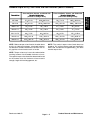
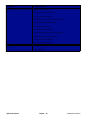
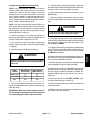
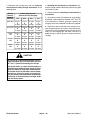
H. Using the table below, determine the minimum
voltage for the cell temperature reading:
Minimum
Voltage
C. If the difference between the highest and lowest
cell specific gravity is 0.050 or greater or the lowest
cell specific gravity is less than 1.225, charge the battery. Charge at the recommended rate and time given in Charging or until all cells specific gravity is
1.225 or greater with the difference in specific gravity
between the highest and lowest cell less than 0.050.
If these charging conditions can not be met, replace
the battery.
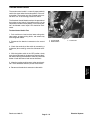
3. Perform a high–discharge test with an adjustable
load tester.
This is one of the most reliable means of testing a battery
as it simulates the cold–cranking test. A commercial battery load tester is required to perform this test.
Battery Electrolyte
Temperature
9.6
70oF (and up)
21.1oC (and up)
9.5
60oF
15.6oC
9.4
50oF
10.0oC
9.3
40oF
4.4oC
9.1
30oF
–1.1oC
8.9
20oF
–6.7oC
8.7
10oF
–12.2oC
8.5
0oF
–17.8oC
I. If the test voltage is below the minimum, replace
the battery. If the test voltage is at or above the minimum, return the battery to service.
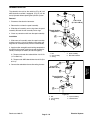
Charging
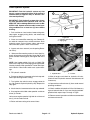
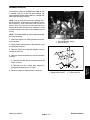
To minimize possible damage to the battery and allow
the battery to be fully charged, the slow charging method is presented here. This charging method can be accomplished with a constant current battery charger
which is available in most shops.
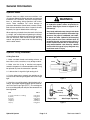
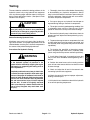
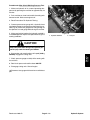
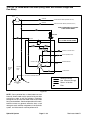
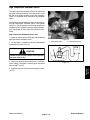
CAUTION
A. Check the voltage across the battery terminals
prior to testing the battery. If the voltage is less than
12.4 VDC, recharge the battery.
B. If the battery has been charged, apply a 150 amp
load for 15 seconds to remove the surface charge.
Use a battery load tester following the manufacturer’s instructions.
C. Make sure battery terminals are free of corrosion.
Follow the manufacturer’s instructions when using a battery charger.
NOTE: Using specific gravity of the battery cells is the
most accurate method of determining battery condition.
1. Determine the battery charge level from either its
specific gravity or open circuit voltage.
Battery Charge
Level
Specific
Gravity
Open Circuit
Voltage
100%
1.265
12.68
75%
1.225
12.45
50%
1.190
12.24
25%
1.155
12.06
0%
1.120
11.89
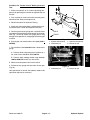
D. Measure the temperature of the center cell.
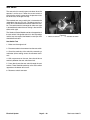
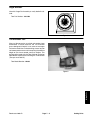
E. Connect a battery load tester to the battery terminals following the manufacturer’s instructions.
Connect a digital multimeter to the battery terminals.
F. Apply a test load of one half the Cranking Performance (see Battery Specifications) rating of the battery for 15 seconds.
Reelmaster 2000–D
Page 5 – 27
Electrical System
Electrical
System
CAUTION
Follow the manufacturer’s instructions when using a battery tester.