1
Indoor Unit
Refrigerant
Outdoor Unit
A
Low Side
B
High Side
C
D
Service Valve
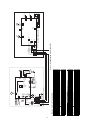
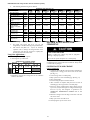
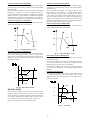
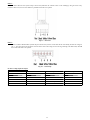
Fig. 16 – Service Valve
Manifold Gage
500 microns
Low side valve
High side valve
Charge hose
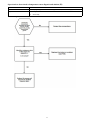
Triple Evacuation Method
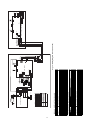
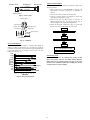
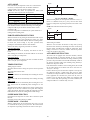
The triple evacuation method should be used. Refer to Fig. 19 and
proceed as follows:
1 Pump system down to 500 MICRONS of mercury and
allow pump to continue operating for an additional 15
minutes.
2 Close service valves and shut off vacuum pump.
3 Connect a nitrogen cylinder and regulator to system and
open until system pressure is 2 psig.
4 Close service valve and allow system to stand for 10
minutes. During this time, dry nitrogen will be able to
diffuse throughout the system absorbing moisture.
5 Repeat this procedure as indicated in Fig. 19. System will
then be free of any contaminants and water vapor.
EVACUATE
Charge hose
BREAK VACUUM WITH DRY NITROGEN
Vacuum pump
WAIT
EVACUATE
Low side valve
BREAK VACUUM WITH DRY NITROGEN
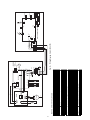
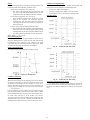
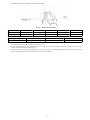
Fig. 17 – Manifold
WAIT
Deep Vacuum Method
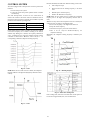
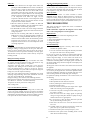
The deep vacuum method requires a vacuum pump capable of
pulling a vacuum of 500 microns and a vacuum gage capable of
accurately measuring this vacuum depth. The deep vacuum method
is the most positive way of assuring a system is free of air and
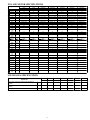
liquid water. (See Fig. 18)
EVACUATE
CHECK FOR TIGHT, DRY SYSTEM
(IF IT HOLDS DEEP VACUUM)
RELEASE CHARGE INTO SYSTEM
Fig. 19 – Triple Evacuation Method
5000
4500
4000
3500
3000
2500
2000
1500
1000
500
MICRONS
LEAK IN
SYSTEM
VACUUM TIGHT
TOO WET
Final Tubing Check
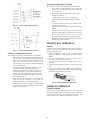
IMPORTANT: Check to be certain factory tubing on both
indoor and outdoor unit has not shifted during shipment.
Ensure tubes are not rubbing against each other or any sheet
metal. Pay close attention to feeder tubes, making sure wire ties
on feeder tubes are secure and tight.
TIGHT
DRY SYSTEM
0
1
2
3 4
5
MINUTES
6
7
Fig. 18 – Deep Vacuum Graph
23