1
MLR: Engines eBook
©2013 Melior, Inc.
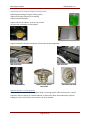
When you use the dye, follow the dye kit directions. Larger leaks will show
up within a short time once the dye has been added to the engine oil and
the engine has been run. For smaller, less obvious leaks, you may have to
add the dye to the oil and have the customer return in a few days or even
weeks.
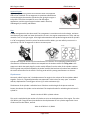
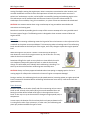
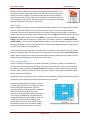
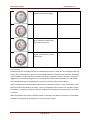
To see the leak, put on the UV glasses that come with the UV light. Next,
turn on the UV light, shine it on the area you suspect to see leaking and
look for a trail of dye from the bottom of the engine upwards. Once the
trail is visible under the light, follow it up to the highest point to find the
source of the leak.
Pinpointing Internal Leaks
Internal leakage can be very difficult to detect. In fact, internal leakage will often continue without being
detected. Modern engines run at high internal engine temperatures and are also equipped with very
efficient catalytic converters. These can mask internal oil leaks by causing any telltale smoke to be
burned before it has a chance to make itself visible by coming out of the tailpipe. Oil can leak or be
drawn into the induction system via several different paths. Some of the more common causes of
internal leakage are included here.
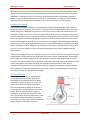
Intake Manifold Gaskets
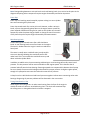
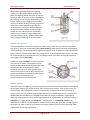
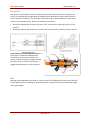
Oil can enter the intake manifold at any point where oil is close to a
leaking intake manifold gasket. Most (but not all) V-type pushrod
engines are designed so that the intake manifold covers the “valley”
containing the camshaft, lifters and pushrods. Intake manifold gasket
failure on these engines can allow manifold vacuum to suck oil past
the leaky gasket into the intake ports where it is delivered with the
air/fuel mixture to the cylinder.
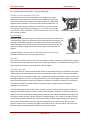
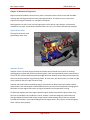
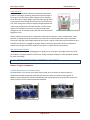
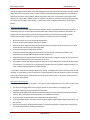
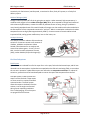
Some versions of the GM 60-degree V6 and Ford V6 and V8 engines
are designed so that the intake manifold-to-cylinder head gasket is
underneath the valve cover. This creates two potential paths for oil
to enter the intake runners. A failed intake gasket can cause oil to be
drawn from the valvetrain area under the valve cover, and from the
area underneath the intake manifold itself.
Page 34 of 67