1
CESSNA AIRCRAFT COMPANY
MODEL 180/185 SERIES (1969 - 1980)
SERVICE MANUAL
SUPPLEMENTAL INSPECTION DOCUMENT
1.
2.
Supplemental Inspection Document
A.
Introduction
(1) The Supplemental Structural Inspection Program for the Cessna Model 180/185 airplane is
based on the affected Model 180/185 airplane current usage, testing and inspection methods. A
practical state-of-the-art inspection program is established for each Principle Structural Element
(PSE). A PSE is that structure whose failure, if it remained undetected, could lead to the loss of
the airplane. Selection of a PSE is influenced by the susceptibility of a structural area, part or
element to fatigue, corrosion, stress corrosion or accidental damage.
(2) The Supplemental Structural Inspection Program was developed through the combined
efforts of Cessna Aircraft Company, operators of affected Model 180/185 airplanes and the
FAA. The inspection program consists of the current structural maintenance inspection, plus
supplemental inspections, as required, for continued airworthiness of the airplane as years
of service are accumulated. The current inspection program is considered to be adequate in
detecting corrosion and accidental damage. The emphasis of the Supplemental Structural
Inspection Program is to detect fatigue damage whose probability increases with time.
(3) Since fatigue damage increases at an increasing rate with increasing crack length, earlier
detection and repair minimizes the damage and the magnitude of the repair.
(4) The Supplemental Structural Inspection Program is valid for Model 180/185 airplanes with
less than 30,000 flight hours. Beyond this, continued airworthiness of the airplane can no
longer be assured. Retirement of this airframe is recommended when 30,000 flight hours
has been accumulated.
B.
Function
(1) The function of the Supplemental Structural Inspection Program is to find damage from fatigue,
overload or corrosion through the use of the Nondestructive Inspections (NDI) and visual
inspections. This Supplemental Inspection Document (SID) is only for primary and secondary
airframe components. Engine, electrical items and primary and secondary systems are not
included in this document. A list is included to show the requirements for the SID program for
primary and secondary airframe components.
(a) The airplane has been maintained in accordance with Cessna's recommendations or the
equivalent.
(b) If the SID is for a specific part or component, you must examine and evaluate the
surrounding area of the parts and equipment. If problems are found outside these areas,
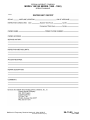
report them to Cessna Aircraft Company on a reporting form. Changes can then be made
to SID program, if necessary.
(c) The inspections presented in the SID apply to all Model 180/185 airplanes. The inspection
intervals presented are for unmodified airplanes. Airplanes that have been modified to
alter the airplane's design, gross weight or performance may need to be inspected more
frequently. Examples of common STCs, which will require modified inspection intervals,
include non-Cessna wing extensions, winglets, speed brakes, STOL conversions, vortex
generators, tip tanks, under wing tanks and nonstandard engines. The owner and/or
maintenance organization should contact the STC holder(s) or modification originator for
obtaining new FAA-approved inspection criteria.
(2) A Corrosion Prevention and Control Program (CPCP) should be established for each airplane.
Details of the CPCP are contained in Section 2A-30-00 of this manual.
Principal Structural Elements
A.
Principal Structural Elements Description
(1) An airplane component is classified as a Principal Structural Element (PSE) if:
(a) The component contributes significantly to carrying flight and ground loads.
(b) If the component fails, it can result in a catastrophic failure of the airframe.
(2) The monitoring of these PSE's is the main focus of this Supplemental Structural Inspection
Program.
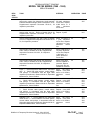
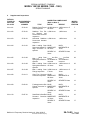
(3) Typical examples of PSE's, taken from FAA Advisory Circular 25.571, are shown in Table 1.
D2000-9-13 Temporary Revision Number 9 - May 18/2015
© Cessna Aircraft Company
2A-13-00
Page 1
Oct 2/1995