1
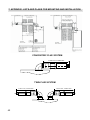
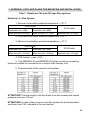
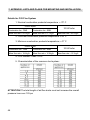
IT IS COMPULSORY FOR THE AIR AND FLUE GASES DUCTS TO
HAVE A SLOPE OF 3% (APPROXIMATELY 2°)
DESCENDING,
RESPECTIVELY ASCENDING.
A 900 FLUE ELBOW REDUCES THE TOTAL DUCT LENGTH BY 0,5m.
UNDER NO CIRCUMSTANCES MUST THE LENGTH (INCLUDING
ALLOWANCES FOR EXTRA BENDS) EXCEED 5m.
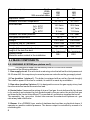
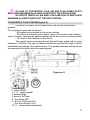
3.4 CONDENSATE DRAINAGE - see figure 4
The condensate resulted from the water contained in the burning gases is
drained through a pipe specially designed for this purpose. The condensate must
not be drained unless a neutralization process is performed, because the
condensate is acid (with a typical pH in the range 3.8 ÷ 5.4). The materials used in
the construction of the primary heat exchanger and flue duct system cannot be the
same as those used in conventional boilers (i.e. cooper or aluminum) because of
the acidity of the condensate. Therefore, the primary heat exchanger is made of
stainless steel and the flue ducts are made of special plastic materials.
At boiler installation, half liter of water must be introduced into the flue duct in order
to fill the condensate trap. This eliminates the danger that fumes might escape
through the flue duct into the room and cause poisoning.
In order to avoid water stagnation inside the condensate drainage system, the
pipes must be continuously descending, especially if the drainage system might
be exposed to freezing.
The condensate drainage must comply with the current standards and installation
codes available in the destination country.
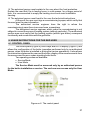
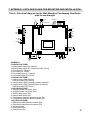
Condensate drain hose mounting instructions (see figure 4):
- unscrew the nut
- replace existing hose with another PVC flexibile hose, with desire length
- mount the gasket on hose
- screw in the nut together with hose and gasket.
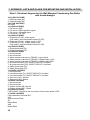
Condensate siphone
Drain valve
Gasket
Nut
Condensate siphone
PVC hose,
Dext.=25mm
Condensate
siphone
Drain valve
Figure no.4
Condensate drain
19