1
Preventative Maintenance for Rigid Hull Inflatables
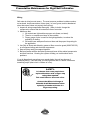
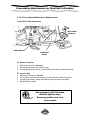
2.6.1.3 Preventative Maintenance Requirements
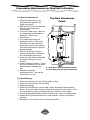
¾ Check to ensure that the fluid level is at the base of the cell port.
¾ Ensure that the top of the battery is clean. Dirt and electrolyte on the top of the
¾
¾
¾
¾
¾
battery will allow an electron flow from the positive terminal to the negative
terminal that can drain the battery overnight.
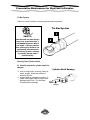
Check the specific gravity of each cell using the hydrometer. This will enable
you to determine the condition of each cell individually, or the condition of the
battery as a whole. All cells should show similar reachings. If one or two cells
are significantly lower than the rest, battery failure is imminent.
Ensure that your batteries have been retrofitted with caps designed to prevent
spillage during inversion or rough handling.
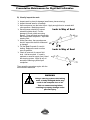
Keep the terminals clean. No corrosion should be present between the terminals
and the terminal clamps. When there is a build-up of corrosion, resistance will
occur that hampers starting, charging and current flow to all onboard electronics.
All new engines use an “ECU” module to control all of the engine functions.
Incorrect battery voltage will severely alter the ECU values, resulting in a very
rough running engine.
Nylock nuts should be used on all battery terminals.
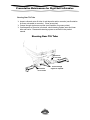
Keep the terminal clamps tight and clean. Coat with Vaseline or dielectric
grease.
2.6.1.4 Trouble-Shooting and Repair
Damaged batteries should be replaced. Keep batteries secure at all times, ensuring
that securing straps work. Preventative maintenance will prolong the life of the
battery.
125