1
Safety Precautions
Thoroughly read the OPERATOR’S MANUAL
before operating the genset. Safe operation and
top performance can be obtained only by proper operation and maintenance.
cally live parts can cause severe personal injury or death.
The following symbols in this Manual alert you to
potential hazards to the operator, service personnel
and equipment.
• Used engine oil has been identified by some
state and federal agencies as causing cancer
or reproductive toxicity. Do not ingest, inhale,
or contact used oil or its vapors.
alerts you to an immediate hazard
which will result in severe personal injury or
death.
• Do not work on the genset when mentally or
physically fatigued or after consuming alcohol
or drugs.
alerts you to a hazard or unsafe
practice which can result in severe personal injury or death.
• Carefully follow all applicable local, state and
federal codes.
CAUTION alerts you to a hazard or unsafe
practice which can result in personal injury or
equipment damage.
• Generator output connections must be made
by a qualified electrician in accordance with applicable codes.
Electricity, fuel, exhaust, moving parts and batteries
present hazards which can result in severe personal injury or death.
• The genset must not be connected to the public
utility or any other source of electrical power.
Connection could lead to electrocution of utility
workers, damage to equipment and fire. An approved switching device must be used to prevent interconnections.
WARNING
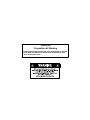
GENERATOR VOLTAGE IS DEADLY!
GENERAL PRECAUTIONS
• Keep ABC fire extinguishers handy.
• Make sure all fasteners are secure and torqued
properly.
• Use caution when working on live electrical
equipment. Remove jewelry, make sure clothing and shoes are dry and stand on a dry wooden platform on the ground or floor.
• Keep the genset and its compartment clean.
Excess oil and oily rags can catch fire. Dirt and
gear stowed in the compartment can restrict
cooling air.
FUEL IS FLAMMABLE AND EXPLOSIVE
• Keep flames, cigarettes, sparks, pilot lights,
electrical arc-producing equipment and
switches and all other sources of ignition well
away from areas where fuel fumes are present
and areas sharing ventilation.
• Let the engine cool down before removing the
coolant pressure cap or opening the coolant
drain. Hot coolant under pressure can spray
out and cause severe burns.
• Before working on the genset, disconnect the
negative (−) battery cable at the battery to prevent starting.
• Fuel lines must be secured, free of leaks and
separated or shielded from electrical wiring.
• Use approved non-conductive flexible fuel
hose for fuel connections at the genset.
• Use caution when making adjustments while
the genset is running—hot, moving or electri-
2