1
English (Original Instructions)
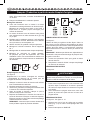
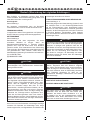
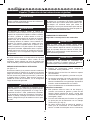
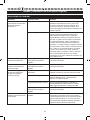
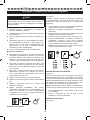
■■ If the engine starts, runs, and accelerates but will
not idle, turn the idling speed screw “T” clockwise to
increase idling speed.
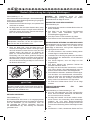
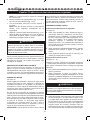
operating this equipment.
■■ Do not cut down trees having an extreme lean or large
trees with rotten or dead limbs, loose bark, or hollow
trunks. Have these trees pushed or dragged down with
heavy equipment, then cut them up.
■■ If the chain turns at idle, turn the idling speed screw
“T” anticlockwise to reduce the idle RPM and stop the
chain movement. If the saw chain still moves at idling
speed, contact a Ryobi service dealer for adjustment
and discontinue use until the repair is made.
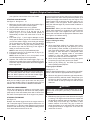
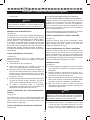
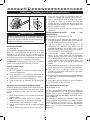
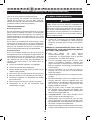
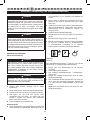
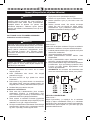
■■ Consider the distribution and weight of heavy limbs
(B).
■■ Clear out the undergrowth around the tree to be felled
(C).
WARNING
■■ Do not cut trees near electrical wires or buildings (D).
The saw chain should never turn at idle. Turn the idling
speed screw “T” anticlockwise to reduce the idle RPM
and stop the chain, or contact a Ryobi service dealer
for adjustment and discontinue use until the repair is
made. Serious personal injury may result from the saw
chain turning at idle.
■■ Consider the direction in which the tree leans (E).
■■ Check the tree for damaged or dead branches which
could fall and hit you during felling (F).
■■ Periodically glance at the top of the tree during the
back-cut to assure the tree is going to fall in the
desired direction.
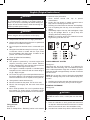
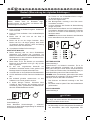
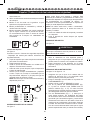
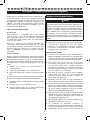
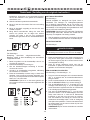
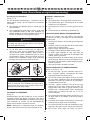
OPERATING THE CHAIN BRAKE
■■ Keep all bystanders at a safe distance (G) (at least
twice the height of the tree).
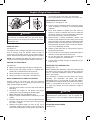
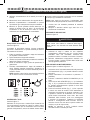
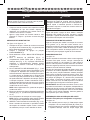
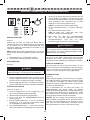
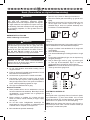
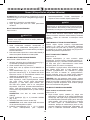
See figure 25 - 26.
■■ Prepare a path of safe retreat (H).
Refer to “Safety” earlier in this manual for additional
information. Check the operating condition of the chain
brake prior to each use.
■■ If the tree starts to fall in the wrong direction, or if the
saw gets caught or hung up during the fall, leave the
saw and save yourself!
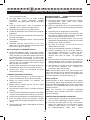
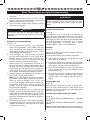
1. Start the engine and grasp the front and rear handles
securely with both hands.
2. Pull the throttle trigger to bring the chainsaw up to full
speed. Using the back of your left hand, engage the
chain brake (A) by pushing the chain brake lever/hand
guard toward the bar while the chain is rotating rapidly.
NOTE: The chain brake should engage and stop the
chain immediately. If not, stop the saw by placing the
ignition switch in the “O” stop position. Take the saw
to Ryobi service dealer for repair and discontinue use
until the repair is made.
3. Reset the chain brake back into the run position (B) by
grasping the right-hand side (from operator’s position)
of the chain brake lever/hand guard and pull towards
the front handle until you hear a click.
■■ Consider the wind direction before felling a tree.
■■ Do not fell trees near power lines or near buildings
which could be struck by falling limbs or the tree itself.
■■ The chainsaw operator should keep on the uphill side
of the terrain as the tree is likely to roll or slide downhill
after it is felled.
■■ Remove dirt, stones, loose bark, nails, staples, and
wire from the tree where felling cuts are to be made.
WARNING
Do not fell trees near power lines or near buildings
which could be struck by falling limbs or the tree itself.
PROPER PROCEDURE FOR TREE FELLING
FELLING TREES – HAZARDOUS CONDITIONS
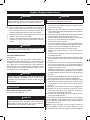
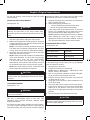
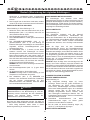
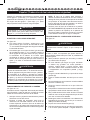
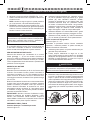
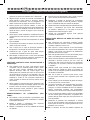
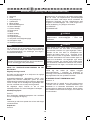
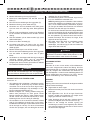
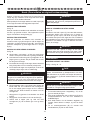
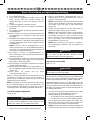
See figure 28 - 31.
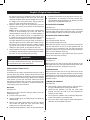
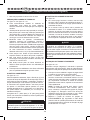
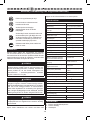
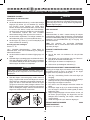
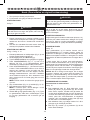
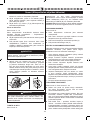
See figure 27.
1. Pick your escape route (or routes in case the intended
route is blocked). Clear the immediate area around the
tree and make sure there are no obstructions in your
planned path of retreat. Clear the path of safe retreat
approximately 135° from the planned line of fall (A).
2. Consider the force and direction of the wind, the lean
and balance of the tree, and the location of large limbs.
These things influence the direction in which the tree
will fall. Do not try to fell a tree along a line different
from its natural line of fall (B).
3. Cut a notch about 1/3 the diameter of the trunk in
WARNING
Do not fell trees during periods of high wind or heavy
precipitation. Wait until the hazardous weather has
ended.
When felling a tree, it is important that you heed the
following warnings to prevent possible serious injury.
■■ Wear eye, hearing, and head protection (A) when
28