1
GB
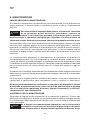
Always make a pre-operation inspection before you start the engine. You may prevent
an accident or equipment damage.
Most accidents can be prevented if you follow all instructions in this manual and on
the pump. The most common hazards are discussed below, along with the best way
to protect yourself and others.
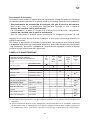
Operator Responsability
It is the operator's responsability to provide the necessary safeguards to protect
people and property. Know how to stop the pump quickly in case of emergency. If
you leave the pump for any reason, always turn the engine off. Understand the use
of all controls and connections.
Be sure that anyone who operates the pump receives proper instruction. Do not let
children operate the pump. Keep children and pets away from the area of operation.
Pump Operation
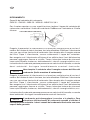
Pump only water that is not intended for human consumption. Pumping flammable
liquids, such as gasoline or fuel oils, can result in a fire or explosion, causing serious
injury. Pumping sea water, beverages, acids, chemical solutions, or any other liquid
that promotes corrosion can damage the pump.
Refuel With Care
Gasoline is extremely flammable, and gasoline vapor can explode. Refuel outdoors,
in a well-ventilated area, with the engine stopped and the pump on a level surface.
Do not fill the fuel tank above the fuel strainer shoulder. Never smoke near gasoline,
and keep other flames and sparks away. Always store gasoline in an approved
container. Make sure that any spilled fuel has been wiped up before starting the
engine. After refueling, make sure the tank cap closed properly and securely.
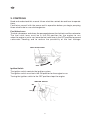
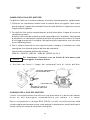
Hot Exhaust
The muffler becomes very hot during operation and remains hot for a while after
stopping the engine. Be careful not to touch the muffler while it is hot. Let the engine
cool before transporting the pump or storing it indoors.
To prevent fire hazards, keep the pump at least 3 feet (1 meter) away from building
walls and other equipment during operation. Do not place flammable objects close
to the engine.
Carbon Monoxide Hazard
Exhaust gas contains poisonous carbon monoxide. Avoid inhalation of exhaust gas.
Never run the engine in a closed garage or confined area.
6