1
Hydropower Development within the Context of Electrification and Export:
the Cases of Laos and Nepal
1.3 History
The first hydropower plant in Nepal was constructed in 1911 with an installed capacity of 500
kW. Similarly Laos had its first hydropower plant in 1970. Until 1990 hydropower development
in Nepal as well as in Laos was based upon intuition. Projects used to be selected as per the interest of the donor countries and lending agencies. Although extensive studies were conducted
to determine the potential of the respective countries, exploitation was lagging far behind.
Laos opened up the market after New Economic Mechanism (NEM) was promulgated in
1986. The Law on the promotion and Management of Foreign Investment were made effective
in 1994.
Similarly, after the establishment of democratic government in Nepal in 1990 private and foreign investment acts and laws were brought forward in 1992. Based upon those acts, laws and
strategies both the countries are trying to electrify the households of the people and are trying to
alleviate poverty by selling electricity to neighbouring country.
1.4 Sources of Energy
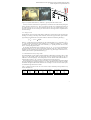
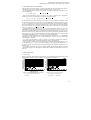
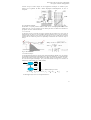
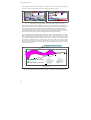
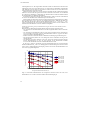
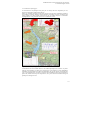
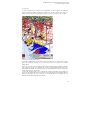
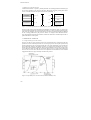
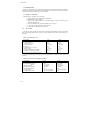
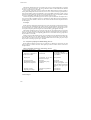
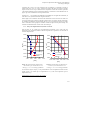
Fuel wood is the main source of energy in both the countries. Since both are developing countries, industrialisation is in nascent stage. Hence, the main sector of energy consumption is
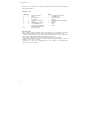
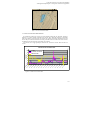
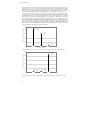
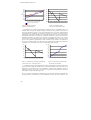
households mainly for cooking purpose. The following chart gives the sources of energy that are
fulfilling the demand of the country.
Sources of Energy in Laos
Sources of Energy in Nepal
(2001)
F uelwo o d
F uel wo o d
Elect r icit y
Pet ro lium +o t her s
C r o p +A nimal wast e
Pet ro lium
Elect r icit y
Ot her s
2. Development of Hydropower
2.1 Present Situation
2.1.1 Laos
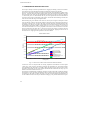
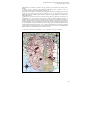
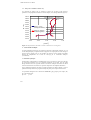
Laos is heading towards earning revenues by exporting hydroelectricity to Thailand and Vietnam. The policies have been formed to attract foreign investment in hydropower sector for the
accelerated development of hydropower within the country. Laos is planning to use the revenue
generated from the export of power to eradicate poverty in the country and electrify 90% of
households by the end of 2020.
205