1
major positive effect on their lives and that assistance dog recipients reduced hours of
paid assistance. But, the Rintala's team was not able to identified valid measures which
quantitatively assess this impact of the dog in their lives. According to their conclusion,
traditional measures of functioning, participation, health status, and global life
satisfaction such as the FIM, CHART, SF-12, and SWLS do not adequately target areas
reportedly demonstrating major positive change (RINTALA, M A T A M O R O S , & SEITZ,
2008).
In summary, while studies found a positive relationship between having an
assistance dog and socio/psychological outcome measures, only few examined physical
considerations (wheelchair skills, mobility, shoulder pain, etc.). Furthermore, these
studies present weakness in their methodology and were retrospective. In this context, this
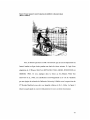
prospective pilot study was conducted to assess the contribution of using the traction of an
assistance dog for wheelchair users in terms of wheelchair mobility (wheelchair skills,
endurance and effort intensity), shoulder pain, social participation and quality of life.
Methods
Study design
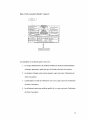
A longitudinal observational study design for this pilot study was used in which
participants were assessed three times: before the assistance dog placement and the
training process with the wheelchair user and the assistance dog (Tl), after the training
process (T2) and seven months after the training process (T3). T 3 ' s period of time should
represent the highest efficiency within the user/dog team (SACHS-ERICSSON, 2002).
Research was approved by Research Ethics Committee of the Research Center for Aging
(Sherbrooke, Canada).
63