1
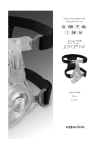
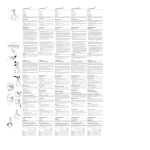
The JOYCEone nasal masks are used for treating sleep apnea and for non-invasive and non-life-sustaining ventilation of patients with respiratory insufficiency. It serves as a connecting element between the patient and the therapy device. 1.2 Contraindications In the case that any of the following symptoms are present the mask may not be used, or only with particular caution: erosions and ulcerations, skin allergies, flush of the facial skin, pressure marks on the face, claustrophobia, anxiety, deformities of the face or nasopharynx, intake of medication which may induce vomiting, the necessity for immediate intubation. Please also observe the contraindications in the instructions for use of your therapy device. 2 The mask can be used with all therapy devices which are not for life-sustaining treatment of patients with sleep apnea or ventilatory insufficiency. 1. Dismantle the mask (see figure 5). With some combinations of devices, the actual pressure in the mask will not correspond to the prescribed therapy pressure, even if the therapy device is displaying the correct pressure. Have the combination of devices adjusted by a physician or specialist dealer so that the actual pressure in the mask corresponds to therapy pressure. 3.3 Exhalation system 2.1 General information • Use of third-party products may lead to functional failures and restricted fitness of purpose. Biocompatibility may also be compromised. Please note that in these cases, any claim under warranty and liability will be void if neither the accessories nor original replacement parts recommended in the instructions are used. 3.4 Pressure measurement port To prevent infection, bacterial contamination, or functional impairments, follow the instructions in the section “Hygiene preparation”. 4 • Safety Read these instructions for use carefully. They are a constituent part of the mask and must be available at all times. In accordance with Directive 93/42/EEC, observe the points below. Risk of injury from the supply of oxygen! Oxygen can deposit in clothing, bed linen, and hair. In conjunction with smoking, naked flames, or electrical equipment, it can cause fires and explosions. Do not smoke. Avoid naked flames. Do not use electrically conductive tubes (exception: breathing tubes which can be heated electrically). Risk of injury from re-inhaling CO2! If the mask is used incorrectly, CO2 may be re-inhaled. Do not close the openings of the mask. Only apply the mask for a prolonged period if the therapy device is running. Only use the mask within the quoted therapy pressure range. Do not use the mask on patients who cannot take it off themselves. 5.1 Cleaning the mask The mask has an integrated exhalation system. The retaining ring and mask body are shaped in such a way that a gap forms between these parts. The exhaled air can escape through this gap. 1.3 Side effects Nasal congestion, dry nose, morning xerostomia (dry mouth), feeling of pressure in the sinuses, irritated conjunctiva, skin rashes, pressure marks in the face, irritating noises when breathing 3.2 Compatible devices 3 The mask has a pressure measurement port which can be used for measuring pressure or supplying oxygen. If you are not using this, close it with the plug for pressure measurement port to reach therapy pressure. Operation The following figures show you how to assemble, apply, remove, adjust, and dismantle the mask: Product description Figure 2: Applying the mask Illustrations of the individual components can be found on the front cover. Figure 3: Adjusting the mask Figure 4: Removing the mask Key Figure 5: Dismantling the mask 1. Headgear 5 2. Forehead cushion Hygienic preparation 3. Forehead support 4. Retaining ring 5. Elbow 6. Plug for pressure measurement port 8. Rotating sleeve 9. Mask body 10. Headgear clip 11. Mask cushion Action Wash mask components with warm water and a mild detergent. Risk of injury from inadequate cleaning! Residues may congest the mask, impair the integrated exhalation system, and jeopardize therapy success. For patients with a compromised immune system or particular background of illness, disinfect mask components daily following consultation with the physician. Thoroughly clean the contact surfaces between the elbow and the rotating sleeve. X When washing mask parts (exception: mask cushion and forehead cushion), clean thoroughly with a cloth or a soft brush. X Wash headgear by hand. X 3. Rinse all parts with clear water. Material damage due to abrasion! Rubbing the mask cushion and forehead cushion can damage the coating. Do not rub the mask cushion and forehead cushion dry. 4. Allow all parts to air-dry. 5. Perform a visual inspection. 6. Replace damaged parts if necessary. 7. Assemble the mask (see figure 1). Figure 1: Assembling the mask 3.1 Overview 7. Pressure measurement port 2. Clean mask in accordance with the table below: Weekly 1.1 Intended use Monitor patients with obstructive and restrictive lung diseases individually when using JOYCEone masks. Risk of injury from slipping of the mask! If the mask slips or falls off, the therapy is ineffective. Monitor patients with restricted spontaneous respiration. Activate low pressure/leakage alarms on the therapy device. Monitor patients with obstructive and restrictive lung diseases individually. Patient endangerment through application of mask during anesthesia! If the nasal mask is used during anesthesia, the anesthetic gas supplied can escape through the mouth and endanger the patient. Do not use nasal mask during anesthesia. Daily Introduction WM 67523 06/2013 EN 1 Discolorations of mask components do not impair the functionality of the mask. 5.2 Change of patient You must subject the mask to a hygienic preparation in the event of a change of patient. For information on hygienic preparation in the event of a change of patient, please refer to our Internet brochure at www.weinmann.de. If you do not have Internet access, please contact Weinmann. 6 Disposal You can dispose of all parts in domestic waste.