1
INDICATIONS
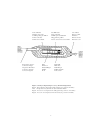
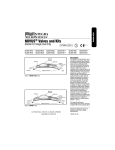
The GCA is an implantable device which is implanted in series with a hydrocephalus valve to control cerebrospinal fluid
(CSF) drainage from the cerebral ventricles to an appropriate drainage site. It is designed to minimize the excessive
reduction in intraventricular pressure (relative to atmosphere) and CSF volume caused by the "pull" exerted by the fluid
column within the outflow catheter when the patient is sitting or standing.
CONTRAINDICATIONS
The GCA should not be implanted when an infection exists along the shunt pathway (meningitis, ventriculitis, septicemia
and/or bacteremia). Postponement of shunt or component implantation is advisable if infection is present anywhere in the
body. The use of the Gravity Compensating Accessory is not recommended in shunt systems containing flow regulating
or antisiphon mechanisms.
WARNINGS
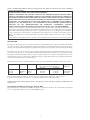
The GCA is designed to be connected distally to a hydrocephalus valve. Puncture of the GCA with a needle may result in
damage to the shunt system.
PRECAUTIONS
1.
2.
3.
4.
5.
Observe patients closely for symptoms of shunt system failure. Headaches, irritability, vomiting, drowsiness or
mental deterioration and other symptoms associated with elevated or significantly reduced intracranial pressure may
be signs of a nonfunctional shunt system. Redness, tenderness or erosion of the skin along the shunt pathway may
indicate a shunt system infection. These complications, along with CSF leakage or overdrainage, require prompt
replacement of the shunt system or affected component(s).
Have duplicates of each component available during implantation.
Avoid nicking the tubing. Cover forceps and clamp jaws with silicone elastomer tubing.
Do not lubricate.
Avoid contaminants such as glove talc and contact with skin oils.
This product is recommended for single use only. Do not implant explanted systems or components in another patient.
This product is sterilized with ethylene oxide. Do not use if the package is open or damaged. Use the device prior to the
"Use Before" date on the package label.
Caution - Do not resterilize. Integra NeuroSciences will not be liable for any direct, indirect, incidental or
consequential damages resulting from or related to resterilization.
COMPLICATIONS
In addition to the risks associated with the surgical procedure, major complications associated with this mode of therapy
include mechanical failure, shunt obstruction, infection and CSF leakage along the shunt pathway.
The following system complications are associated with shunt system implantation:
•
•
•
•
•
System disconnection can lead to catheter migration into the peritoneum or lateral ventricles.
Ventricular shunting has been associated with epilepsy.
System obstruction can lead to intracranial hypertension syndrome.
Overdrainage may result in subdural hematomas, craniostenosis, intracranial hypotension syndrome and/or sunken
fontanelles (in infants).
Low-grade bacterial colonization may cause obstruction, recurrent fevers, anemia, splenomegaly, shunt nephritis or
pulmonary hypertension.
4