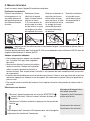
1
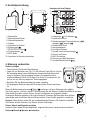
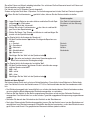
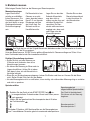
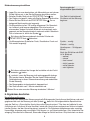
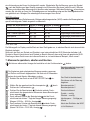
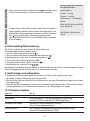
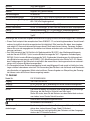
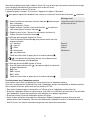
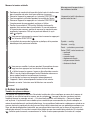
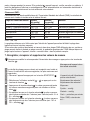
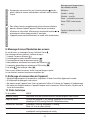
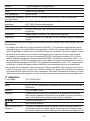
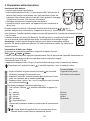
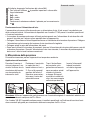
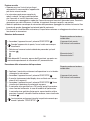
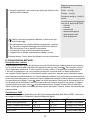
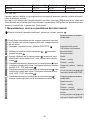
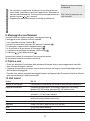
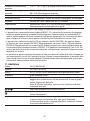
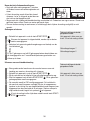
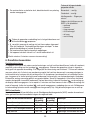
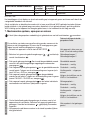
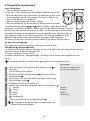
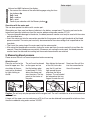
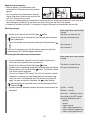
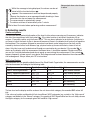
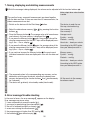
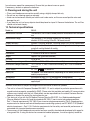
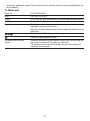
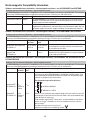
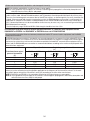
Measurement hilst the message is being displayed, the volume can be adW justed with the function buttons . Voice output when voice function is active • appears if the measurement could not be performed properly. Observe the chapter on error messages/trouble-shooting in these instructions for use and repeat the measurement. • The measurement is automatically stored. • The device switches off automatically after 1 minute. Wait at least 5 minutes before performing another measurement! 6. Evaluating results Cardiac arrhythmia: This unit can identify potential disruption of the heart rhythm when measuring and if necessary, indicates . If the voice function is activated, the device will anthis after the measurement with the symbol nounce: “A possible cardiac arrhythmia was found.” This can be an indicator for arrhythmia. Arrhythmia is an illness in which the heart rhythm is abnormal because of flaws in the bioelectrical system that regulates the heartbeat. The symptoms (skipped or premature heart beats, pulse being slow or too fast) can be caused by factors such as heart disease, age, physical make-up, excess stimulants, stress or lack of sleep. Arrhythmia can only be determined through an examination by your doctor. If the symbol is shown on the display after the measurement has been taken, it should be repeated. Please ensure that you rest for 5 minutes beforehand and do not speak or move during the measurement. If the symbol appears frequently, please consult your doctor. Self-diagnosis and treatment based on the measurements can be dangerous. Always follow your GP’s instructions. WHO classification: In accordance with the guidelines/definitions of the World Heath Organization, the measurements are classified and assessed according to the following table: Blood pressure value category Grade 3: severe hypertension Grade 2: moderate hypertension Grade 1: mild hypertension High normal Normal Optimal Systole (in mmHg) ≥ 180 160 – 179 140 – 159 130 – 139 120 – 129 < 120 Diastole (in mmHg) ≥ 110 100 – 109 90 – 99 85 – 89 80 – 84 < 80 Action seek medical attention seek medical attention regular monitoring by doctor regular monitoring by doctor self-monitoring self-monitoring Source: WHO, 1999 The bar chart on the display and the scale on the unit show which category the recorded BMI values fall into. If the values of systole and diastole fall into two different WHO categories (e.g. systole in the ‘High normal’ category and diastole in the ‘Normal’ category), the graphical WHO classification on the unit always shows the higher category; for the example given this would be ‘High normal’. 49