1
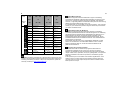
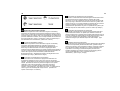
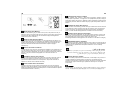
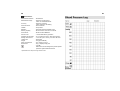
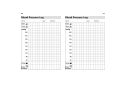
4 Systolic (SYS.) Diastolic (DIA.) 5 < 120 120 – 139 140 – 159 ≥ 160 and or or or < 80 80 – 89 90 – 99 ≥ 100 Normal Prehypertension Normal Prähypertonie Normale Préhypertension Normal Prehipertensión Normal Pré-hipertensão Ciśnienie normalne Ciśnienie podwyższone Normal Pre-ipertensione Normaal Prehypertensie Normal Prehipertansiyon اﻟﻤﺮﺣﻠﺔ اﻟﻄﺒﻴﻌﻴﺔ ﻡﺎ ﻗﺒﻞ زیﺎدة ﺿﻐﻂ اﻟﺪم Stage 1 Hypertension Hypertenesion Bluthochdruck, Stufe 1 Hypertension stade 1 Stage 2 Hypertension Hypertenesion Bluthochdruck, Stufe 2 Hypertension stade 2 Fase 1 Hipertensión Hipertensão de estágio 1 Nadciśnienie pierwszego stopnia Fase 2 Hipertensión Hipertensão de estágio 2 Nadciśnienie drugiego stopnia Stadio 1 Ipertensione Fase 1 Hypertensie Stadio 2 Ipertensione Fase 2 Hypertensie 1. Evre Hipertansiyon 2. Evre Hipertansiyon اﻟﻤﺮﺣﻠﺔ اﻷوﻟﻰ ﻡﻦ اﻟﻤﺮﺣﻠﺔ اﻟﺜﺎﻧﻴﺔ ﻡﻦ زیﺎدة ﺿﻐﻂ اﻟﺪم زیﺎدة ﺿﻐﻂ اﻟﺪم Норма Предгипертоническое состояние 1 стадия гипертонии 2 стадия гипертонии 正常 高血壓前期 第一期高血壓 第二期高血壓 For reliable monitoring and reference of blood pressure, keeping long- term records is recommended. Please download the blood pressure log(chart for recording and tracking crucial info : date, time, blood pressure, pulse rate and body condition) at www.rossmaxhealth.com. About Blood Pressure The National High Blood Pressure Education Program Coordinating Committee has developed a blood pressure standard, according to which areas of low- and high-risk blood pressure are identified. This standard, however, is a general guideline as individual's blood pressure varies among different people and different age groups...etc. It is important that you consult with your physician regularly. Your physician will tell you your normal blood pressure range as well as the point at which you will be considered at risk. Informationen über den Blutdruck Das National High Blood Pressure Education Program Coordinating Committee (Koordinationskomitee für nationale Programme zur Aufklärung über Bluthochdruck) haben Blutdruck-Standardwerte zur Erkennung von Blutdruckwerten mit hohem und geringem Risiko entwickelt. Diese Standardwerte dienen jedoch lediglich als allgemeine Richtlinie, da der individuelle Blutdruck bei verschiedenen Personen und unterschiedlichen Altersgruppen usw. abweicht. Es ist wichtig, dass Sie Ihren Arzt in regelmäßigen Abständen zu Rate ziehen. Ihr Arzt teilt Ihnen Ihre individuellen Werte für einen normalen Blutdruck sowie den Wert mit, ab dem die Höhe des Blutdrucks als gefährlich einzustufen ist. A propos de la pression sanguine Le Comité national de coordination du programme d'éducation sur l'hypertension artérielle ont mis au point une norme sur la pression sanguine, qui identifie les zones de pression sanguine à hauts et faibles risques. Cette norme, cependant, n'est qu'un guide général, car la pression sanguine individuelle varie selon les personnes, les différents groupes d'âge, etc. Il est important que vous consultiez votre médecin régulièrement. Votre médecin pourra vous dire quelle est votre plage de pression sanguine normale, ainsi que le point à partir duquel vous serez considéré comme étant exposé à un risque.