1
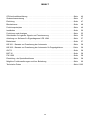
CONTENTS
Declaration of CE conformity . . . . . . . . . . . . . . . . . . . . . . . . . . . . . . . . . . . . . . .page
1
Conditions of use . . . . . . . . . . . . . . . . . . . . . . . . . . . . . . . . . . . . . . . . . . . . . . . .page
3
Introduction . . . . . . . . . . . . . . . . . . . . . . . . . . . . . . . . . . . . . . . . . . . . . . . . . . . .page
3
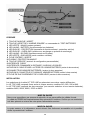
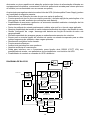
Block diagram . . . . . . . . . . . . . . . . . . . . . . . . . . . . . . . . . . . . . . . . . . . . . . . . . .page
4
Operating principles . . . . . . . . . . . . . . . . . . . . . . . . . . . . . . . . . . . . . . . . . . . . . .page
5
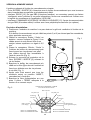
Installation . . . . . . . . . . . . . . . . . . . . . . . . . . . . . . . . . . . . . . . . . . . . . . . . . . . . .page
6
Functions and signals . . . . . . . . . . . . . . . . . . . . . . . . . . . . . . . . . . . . . . . . . . . .page
11
Logic signal and remote control interface . . . . . . . . . . . . . . . . . . . . . . . . . . . . . .page
12
UPS LINK diagnostic software . . . . . . . . . . . . . . . . . . . . . . . . . . . . . . . . . . . . . .page
14
Battery test . . . . . . . . . . . . . . . . . . . . . . . . . . . . . . . . . . . . . . . . . . . . . . . . . . . .page
14
Autonomy expansion kit KB 36/1 . . . . . . . . . . . . . . . . . . . . . . . . . . . . . . . . . . . .page
15
Autonomy expansion kit KB 36/2 for double cabinet . . . . . . . . . . . . . . . . . . . . . .page
15
Out/2 . . . . . . . . . . . . . . . . . . . . . . . . . . . . . . . . . . . . . . . . . . . . . . . . . . . . . . . . .page
15
Bat 36 . . . . . . . . . . . . . . . . . . . . . . . . . . . . . . . . . . . . . . . . . . . . . . . . . . . . . . . .page
15
Pw 1000 . . . . . . . . . . . . . . . . . . . . . . . . . . . . . . . . . . . . . . . . . . . . . . . . . . . . . .page
15
Special functions set up . . . . . . . . . . . . . . . . . . . . . . . . . . . . . . . . . . . . . . . . . . .page
15
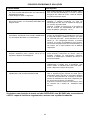
Trouble-shooting guide . . . . . . . . . . . . . . . . . . . . . . . . . . . . . . . . . . . . . . . . . . .page
16
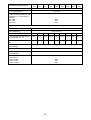
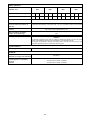
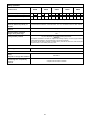
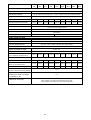
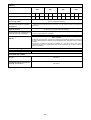
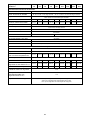
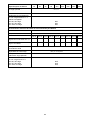
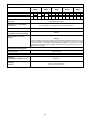
Technical features . . . . . . . . . . . . . . . . . . . . . . . . . . . . . . . . . . . . . . . . . . . . . . .page 17/21
1










































![(直流)電力回生型電子負荷装置[PLZ6000R]](http://vs1.manualzilla.com/store/data/006557965_2-51751011429bb85ba5bcc9938c75d0ed-150x150.png)