1
ENGLISH
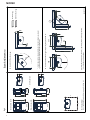
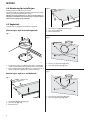
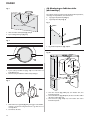
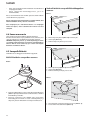
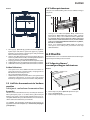
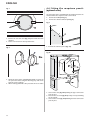
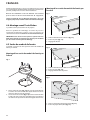
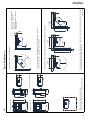
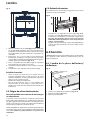
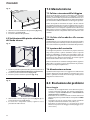
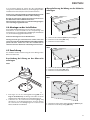
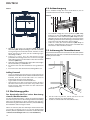
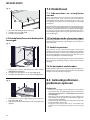
Fig. 11
2
1
Be especially careful never to use the following materials as
fuel in your fireplace:
• Household rubbish, plastic bags, etc.
• Painted or impregnated timber (which is extremely toxic).
• Laminated wooden planks.
• Driftwood.
These may harm the stove and are also pollutants.
NB: Never use petrol, paraffin, methylated spirit or similar
liquids to light the fire. You may cause serious injury to yourself
and damage to the product.
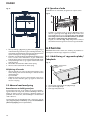
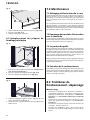
5.2 Wood consumption
Kindling:
Length: approx. 30 cm
Diameter: 2 - 5 cm
Amount per fire: 6 - 8 pieces
Firewood (split logs):
Length: 20 - 30 cm
Diameter: approx. 8 cm
Size of the fire: 1,8 kg
Amount per load: 2 pieces
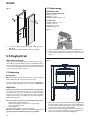
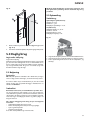
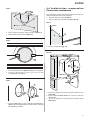
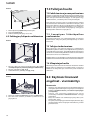
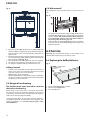
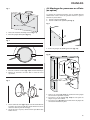
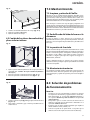
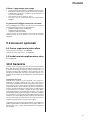
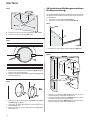
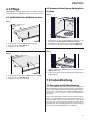
Fig. 12
1.
2.
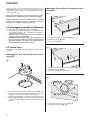
Secure the soapstone panels with screws (fig. 11-1) and
nuts (fig. 11-2).
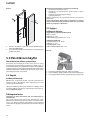
Refit the side burn plates, exhaust deflector and baffle.
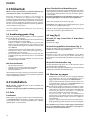
5.0 Daily use
Odours when using the fireplace for the first
time
When the fireplace is used for the first time, it may emit an
irritating gas which may smell slightly. This is because the
paint is drying. The gas is not toxic but the room should be
thoroughly ventilated. Let the fire burn with a high draught
until all traces of the gas have disappeared and no smoke or
odours can be detected.
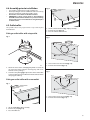
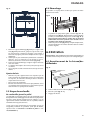
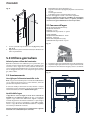
1. Place two logs at the bottom of the burn chamber and pile
the kindling in layers.
2. Finally, place a medium-sized log on the top of the pile.
3. Place 2 or 3 briquettes or kindling sticks under the top layer
of kindling and light the fire.
5.1 Operation
Heating advice
NB: Logs that have been stored outdoors or in a cold room
should be brought indoors 24 hours before use to bring them
up to room temperature.
There are various ways of heating the stove but it is always
important to be careful about what you put in the stove. See
the section on “Wood quality”.
Wood quality
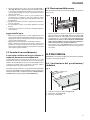
The logs should be dried so that the moisture content is no more
than 20%. To achieve this, the logs should be cut no later than
in late winter. They should be split and stacked in a way that
ensures good ventilation. The wood stacks should be covered to
protect the logs from rain. The logs should be brought indoors
during early autumn and stacked/stored for use in the coming
winter.
37