1
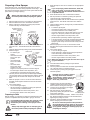
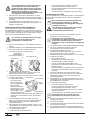
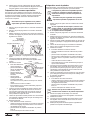
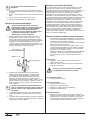
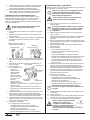
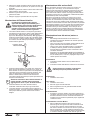
• Do not use materials with a flashpoint below 21° C (70° F).
Flashpoint is the temperature at which a fluid can produce
enough vapors to ignite.
• Plastic can cause static sparks. Never hang plastic to
enclose spray area. Do not use plastic drop cloths when
spraying flammable materials.
• Use lowest possible pressure to flush equipment.
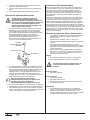
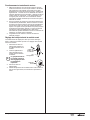
GAS ENGINE (WHERE APPLICABLE)
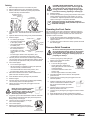
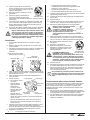
Always place sprayer outside of structure in fresh air. Keep all
solvents away from engine exhaust. Never fill fuel tank with a
running or hot engine. Hot surface can ignite spilled fuel. Always
attach ground wire from pump to a grounded object. Refer to
engine owner’s manual for complete safety information.
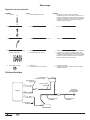
Danger
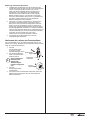
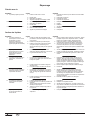
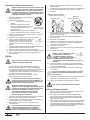
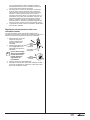
Earthing Instructions
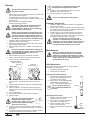
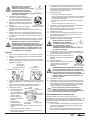
Electric models must be earthed. In the event of an electrical
short circuit, earthing reduces the risk of electric shock by
providing an escape wire for the electric current. This product is
equipped with a cord having an earthing wire with an appropriate
earthing plug. The plug must be plugged into an outlet that is
properly installed and earthed in accordance with all local codes
and ordinances.
DANGER — Improper installation of the earthing plug can
result in a risk of electric shock. If repair or replacement
of the cord or plug is necessary, do not connect the green
earthing wire to either flat blade terminal. The wire with
insulation having a green outer surface with or without
yellow stripes is the earthing wire and must be connected to
the earthing pin.
Check with a qualified electrician or serviceman if the earthing
instructions are not completely understood, or if you are in doubt
as to whether the product is properly earthed. Do not modify the
plug provided. If the plug will not fit the outlet, have the proper
outlet installed by a qualified electrician.
HAZARD: EXPLOSION HAZARD DUE TO
INCOMPATIBLE MATERIALS
Will cause severe injury or property damage.
PREVENTION:
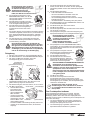
• Do not use materials containing bleach or chlorine.
• Do not use halogenated hydrocarbon solvents such as
methylene chloride and 1,1,1 - trichloroethane. They
are not compatible with aluminum and may cause an
explosion. If you are unsure of a material’s compatibility
with aluminum, contact your coating’s supplier.
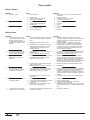
Gasoline Engine Safety
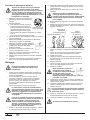
HAZARD: HAZARDOUS VAPORS
Paints, solvents, insecticides, and other materials
can be harmful if inhaled or come in contact with
body. Vapors can cause severe nausea, fainting,
Danger
or poisoning.
PREVENTION:
• Use a respirator or mask if vapors can be inhaled. Read
all instructions supplied with the mask to be sure it will
provide the necessary protection.
• Wear protective eyewear.
• Wear protective clothing as required by coating
manufacturer.
Danger
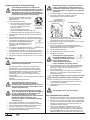
1. Gas engines are designed to give safe and dependable
service if operated according to instructions. Read and
understand the engine manufacturer’s Owner’s Manual
before operating the engine. Failure to do so could result
in personal injury or equipment damage.
2. To prevent fire hazards and to provide adequate
ventilation, keep the engine at least 1 meter (3 feet) away
from buildings and other equipment during operation. Do
not place flammable objects close to the engine.
3. Children and pets must be kept away from the area of
operation due to a possibility of burns from hot engine
components or injury from any equipment the engine may
be used to operate.
4. Know how to stop the engine quickly, and understand the
operation of all controls. Never permit anyone to operate
the engine without proper instructions.
5. Gasoline is extremely flammable and is explosive under
certain conditions.
6. Refuel in a well-ventilated area with the engine stopped.
Do not smoke or allow flames or sparks in the refueling
area or where gasoline is stored.
7. Do not overfill the fuel tank. After refueling, make sure the
tank cap is closed properly and securely.
8. Be careful not to spill fuel when refueling. Fuel vapor or
spilled fuel may ignite. If any fuel is spilled, make sure the
area is dry before starting the engine.
9. Never run the engine in an enclosed or confined area.
Exhaust contains poisonous carbon monoxide gas; exposure
may cause loss of consciousness and may lead to death.
10. The muffler becomes very hot during operation and
remains hot for a while after stopping the engine. Be
careful not to touch the muffler while it is hot. To avoid
severe burns or fire hazards, let the engine cool before
transporting it or storing it indoors.
11. Never ship/transport sprayer with gasoline in the tank.
HAZARD: GENERAL
This product can cause severe injury or property
damage.
PREVENTION:
• Read all instructions and safety precautions before
operating equipment.
• Follow all appropriate local, state, and national codes
governing ventilation, fire prevention, and operation.
• Pulling the trigger causes a recoil force to the hand that is
holding the spray gun. The recoil force of the spray gun is
particularly powerful when the tip has been removed and
a high pressure has been set on the airless pump. When
cleaning without a spray tip, set the pressure control knob
to the lowest pressure.
• Use only manufacturer authorized parts. User assumes all
risks and liabilities when using parts that do not meet the
minimum specifications and safety devices of the pump
manufacturer.
• Before each use, check all hoses for cuts, leaks, abrasion
or bulging of cover. Check for damage or movement of
couplings. Immediately replace the hose if any of these
conditions exist. Never repair a paint hose. Replace it with
another earthed high-pressure hose.
• ALWAYS follow the material manufacturer’s instructions
for safe handling of paint and solvents.
• Do not use this unit in workshops that are covered under
the explosion prevention regulations.
• Clean up all material and solvent spills immediately.
• Always unplug cord from outlet before working on
equipment (electric units only).
© Wagner. All rights reserved.
• Wear ear protection. This unit can produce noise levels
above 85 dB(A).
• Never leave this equipment unattended. Keep away from
children or anyone not familiar with the operation of airless
equipment.
• Do not spray on windy days.
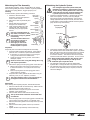
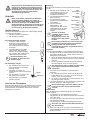
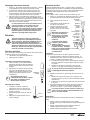
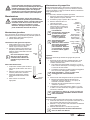
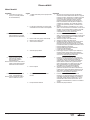
DO NOT use this equipment to spray water or
acid.
Danger
Do not lift by cart handle when loading or
unloading.
Attention
3
GB
R