1
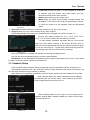
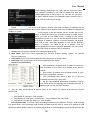
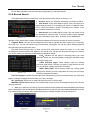
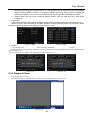
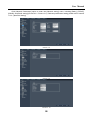
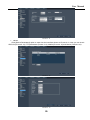
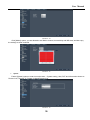
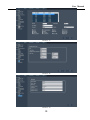
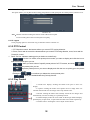
User Manual When selecting PPPoE form the Type, user can input user name and password provided by ISP and set Media and Web port (details please refer to the Picture 5-10). You can visit your DVR via public network without port forwarding when network type is set to “PPPoE” and web port is right. Picture 5-10 DDNS (Dynamic DNS) is a service that register a domain name and the floating IP address with the DDNS server so that the domain name can be routed to the IP address even if the IP address is changed in a dynamic IP system. At the bottom of the NETWORK SETUP window there is an option to setup the DVR to be accessed through a DDNS service. When you click on the DDNS button it brings up the window displayed as Picture 5-11. You can access the DVR through a static or dynamic IP address; however a dynamic address can change from time to time. How often depends on your service provider. When it changes, you need to go to a website such as www.myipaddress.com from a computer attached to the same router as the DVR to find out what the new IP address is. Picture 5-11 Server: select a Dynamic domain name server provided by ISP; Host Name: Input host name registered from Dynamic Domain Naming System, for example: dvr2011.dyndns.org; User Name: Input a user name registered before applying for a domain name; Password: Input a password you set when registering a user name. Router’s Port Forwarding Port forwarding is required when you want to access the DVR connected to the router from outside of the router’s network. 1. Input router’s IP address from IE-based browser to open the Router configuration interface; 2. Click [Transmittal rule] option to take you to the port forwarding instructions for your router; 3. Set the corresponding parameters illustrated in Picture Picture 5-12 5-12. When server port and web port forwarding the DVR IP address, user can visit the DVR remotely. 4. User can enter below website or domain name as per current PC network environment to visit the remote DVR. 1. http://public IP: Web port(such as 0080) 2. http://intranet IP: Web port(such as 0080) (only available at the same LAN) 3. http://dvr2011.dyndns.org: Web port(such as 0080) Friendly Reminder: The router’s port forwarding interface may be different, however, when entering into virtual server, user will always need forward port 8080 and port 9000 of router to IP address of DVR allocated or automatically captured, and select [All] or [Both] in corresponding protocol column and save the 12