1
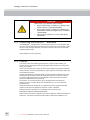
General advice for using pulse oximeters What factors can influence the SpO2 value? Since measuring the oxygen saturation is an optical procedure, the following variables may affect the result: Direct sunlight Strong ambient light (e. g. OT lights) Infrared emitter UV emitter (bilirubin lamps) Influence of these factors can be minimised by ensuring that the sensor is attached correctly and by covering the sensor with opaque material. Other variables are: Dirt contamination of the measurement site Inadequate cleaning of the sensor Colour of measurement site is distorted or opaque (e.g. nail varnish) Patient moving vigorously Injected contrast agent (e. g. indiocyanin green or methylene blue) High proportion of dysfunctional haemoglobin (e.g. carboxyhaemoglobin) Incorrect attachment site (e. g. site with a venous pulse) Use of the pulse oximeter in the vicinity of strong energy sources such as MRI Sensor attached too tightly Arterial occlusion Congestion caused e. g. by arterial catheter or blood pressure cuff Some of these variables may clearly recognised (e. g. nail varnish) and can be remedied or a reproducible result can be obtained at another measurement site. However, other variables (e. g. contrast agents or problems in the blood serum) cannot easily be identified. Given the large number of influencing variables, the SpO2 measurement must not be used as the sole means of monitoring vital signs. Other parameters must also be monitored (e. g. ECG, blood pressure, breathing). When used correctly and with reference to the sensor-specific warnings and instructions and clinical symptoms, SpO2 measurement can be an important tool in evaluating patients. 65 GB HeartSave 6 / 6S, 21230 / GB / F02