1
Introduction
You are required to complete information flow maps in relation to yourself as an
individual (or on behalf of a team/department/service where a practice is
common) details of arrangements for the transfer of (sending or receipt, or
both) Person-Identifiable Details (PID) or otherwise service or businesssensitive information, the loss or mis-routing of which could result in a breach
of confidentiality and/or lead to a questioning or loss of the BMBC's reputation
either locally or nationally.
PID can apply to service users and staff and applies to any items of data that
can solely or in combination uniquely identify an individual, such as name;
address/postcode; date of birth; service/department; conditions. Always think
of yourself as the subject and how appropriate/justifiable you consider the
exchange of information would be. Additional guidance can be viewed at
Appendix A.
The purpose of this exercise is to map the flow of such information within and
outside BMBC, assess any risk associated with these activities and ensure that
they are being conducted in a secure and confidential manner, to the benefit of
all concerned.
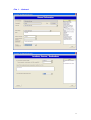
An input form, in the form of a spreadsheet has been devised to assist with the
capture of the information flows. Please follow the instructions below to assist
in completing the spreadsheet.
Example Information Flow
It is important to be aware that for one piece of information there may be two
flows – outbound and inbound. For example a care plan. A care manager will send
out the care plan to the service user for signature (outbound) and the service
user will return the signed care plan (inbound) to the social services office.
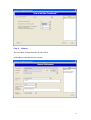
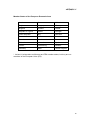
Therefore the flow should be completed as below:
3