1
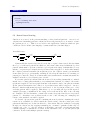
4.6 Static Type Constraint
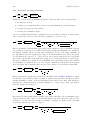
Modifier
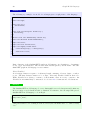
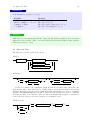
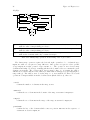
dpo
dangling
identification
43
Meaning
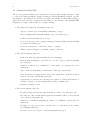
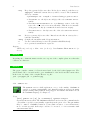
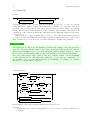
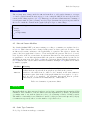
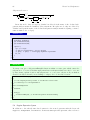
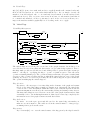
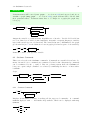
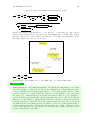
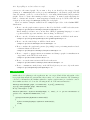
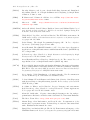
Switches to DPO semantics . This modifier affects only nodes that are
to be deleted during the rewrite. DPO says—roughly spoken—that
implicit deletions must not occur by all means. To ensure this the
dangling condition (see dangling below) and the identification condition (see identification below) get enforced (i.e. dpo = dangling
+ identification). In contrast to exact and induced this modifier applies neither to a pattern as such (can’t be used with a test)
nor to a single statement but only to an entire rule. See Corradini et
al.[CMR+ 99] for a DPO reference.
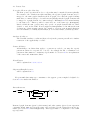
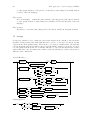
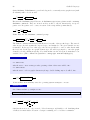
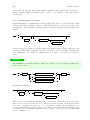
Ensures the dangling condition . This modifier affects only nodes that
are to be deleted during the rewrite. Nodes going to be deleted due
to the rewrite part have to be specified exactly (with all their incident
edges, exact semantics) in order to be matched. As with dpo, this
modifier applies only to rules.
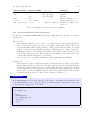
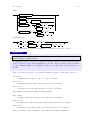
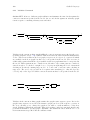
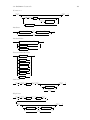
Ensures the identification condition . This modifier affects only nodes
that are to be deleted during the rewrite. If you specify two pattern
graph elements to be homomorphically matched but only one of them
is subject to deletion during rewrite, those pattern graph elements will
never actually be matched to the same host graph element. As with
dpo, this modifier applies only to rules.
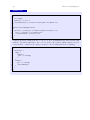
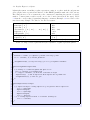
Table 4.3: Semantics of rule only modifiers
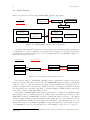
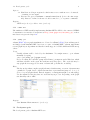
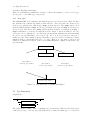
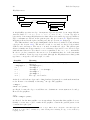
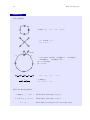
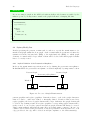
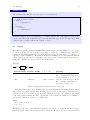
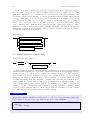
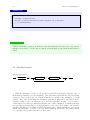
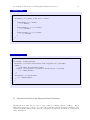
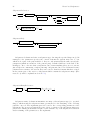
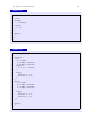
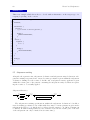
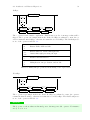
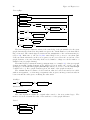
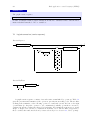
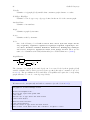
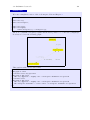
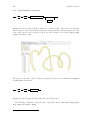
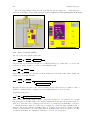
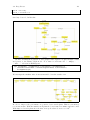
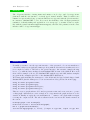
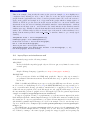
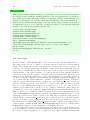
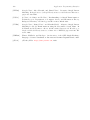
EXAMPLE (14)
Host Graph
e
Pattern / Rule
Effect
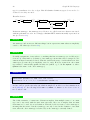
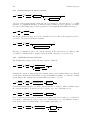
{ . --> .; }
Produces no match for exact nor
induced
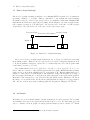
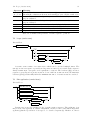
{ x:node --> y:node; }
Produces
three
matches
for
induced(x,y) but no match
for exact(x,y)
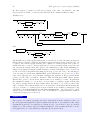
{ x:node; induced(x); }
Produces no match
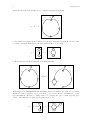
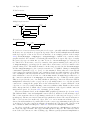
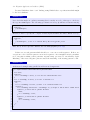
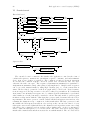
pattern{ --> x:node --> ; }
modify{ delete(x); }
Produces no match in DPO-mode
because of edge e