1
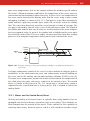
544 12 Flow Surging lines. However, a portable data acquisition system that is capable of collecting process data as a function of time is highly useful in determining the cause and effect relationships between process parameters. In all of the cases presented here, the extrusion line was either equipped with a data acquisition system or a temporary acquisition system was connected to the machine during the trial. 12.3 Barrel Zone and Screw Temperature Control Improper selection of process temperatures, poor temperature control, and inoperative temperature control devices are common causes for flow surging. As stated earlier, temperatures for the metal surfaces in the solids-conveying zone must be within a specific range for an application. This temperature range will depend on the resin, equipment design, placement of the temperature control sensor, and rate. Thermocouple placement on extruders is not standard, and thus they can be positioned at different axial positions for the zones and at different depths into the barrel wall. Because of these extruder and process differences, barrel temperatures typically need to be optimized for the machine and application. Optimization of barrel temperatures was presented in Section 10.9. Equipment devices that are not functioning properly can cause a process to flow surge. For example, the feed casing of the extruder is typically cooled with water such that the outside temperature of the casing is about 50 °C or less. If the cooling water flow is turned off or is not flowing at a high enough rate, then the temperature of the inside wall of the casing will become too hot to convey solids into the machine. As a general rule for most resins, the outside temperature of the feed casing will be too hot to touch if the inside wall becomes too hot to convey solids, that is, at temperatures higher than 50 °C. At high casing temperatures, the ratelimiting step of the process is the solids conveying of resin from the casing to the barrel and not the metering channel of the screw. Thus, the specific rate will decrease and flow surging is very likely to occur. For specialty PE resins with very low solid densities, the temperature of the feed casing may need to be less than 35 °C. High temperatures on the feed casing can also cause the resin to bridge over the feed opening such that pellet flow to the extruder is severely or completely restricted. Flow surging can occur if the temperature of the screw becomes too high in the solids-conveying section. In general, the temperature of the screw in this section needs to be less than the Tg for amorphous resins or less than the melting temperature for semicrystalline resins. Small-diameter screws will typically operate at feed