1
PROMTS 252i
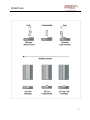
washing of the weld bead into the sides or “toes” of the weld is important. Keep the welding
electrode or the TIG tungsten and welding arc within the weld joint to prevent overlap. Pausing on
the sides of the welds to wait for the sides to fill reduces the chance of undercutting, even if the
current is a little too high. If it is possible, with any practice weld, cut the joint down the middle,
lengthwise, or place the weld in a vice and use a hammer to bend the metal over the weld area until
it is either broken or bent 90 degrees. This destructive testing method will help you improve your
skill by revealing faults and flaws in your welds.
Stick (SMAW) Electrode Welding
Stick, the most basic of welding processes, offers the easiest option for joining steel and other
metals. Although it produces the least pretties or cleanest welds, ARC/STICK welding gets the
job done! Stick welding power sources deliver inexpensive options for welding versatility,
portability and reliability. Stick joins metals when an arc is struck between the electrode and the
work piece, creating a weld pool and depositing a consumable metal electrode into the joint. The
electrode's protective coating also acts as a shielding gas, protecting the weld and ensuring its
purity and strength. Best for windy conditions and adverse environments.
If you’re not familiar with Stick (SMAW) welding basics, the following information can
make choosing an electrode easier.
20