1
www.HunterFan.com
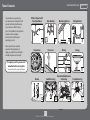
What to Expect with Your Installation
1.888.830.1326
Read and Save These Instructions
This product conforms to UL Standard 507.
If you are unfamiliar
with wiring, use a
qualified electrician.
WARNINGS
w.1 - To reduce the risk of fire, electrical shock, or personal
injury, mount fan directly from building structure and/or an
outlet box marked acceptable for fan support of 70 lbs (31.8 kg)
and use the mounting screws provided with the outlet box.
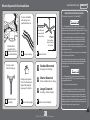
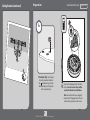
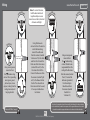
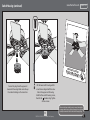
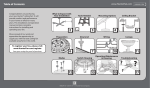
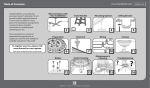
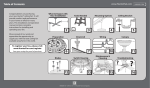
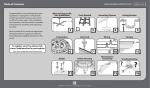
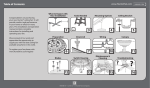
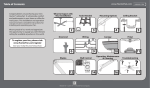
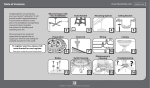
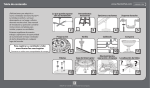
30 inches
from blade tip
to nearest wall
or obstruction
Must be able to
secure the fan to
building structure or
fan-rated outlet box
Know your wiring
You may need a
friend to help you.
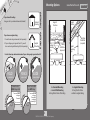
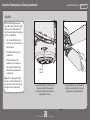
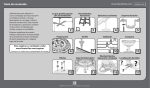
Ceiling angles greater
than 34° will require an
Angled Mounting Kit.
See page 4 for details.
Check box to see
fan weight
7 feet
from bottom
edge of blade
to the floor
Assess ceiling angle
Assess location
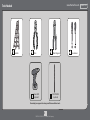
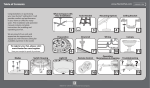
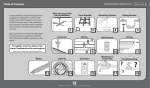
1
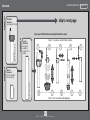
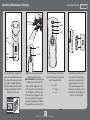
Standard Downrod
2
Shorter Downrod
for ceilings 8-10 feet high
for fans installed close to ceiling
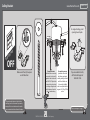
w.2 - To avoid possible electrical shock, before installing or
servicing your fan, disconnect the power by turning off the
circuit breakers to the outlet box and associated wall switch
location. If you cannot lock the circuit breakers in the off
position, securely fasten a prominent warning device, such as a
tag, to the service panel.
w.3 - To reduce the risk of fire, electrical shock, or motor damage,
use only Hunter Speed Controls.
w.4 - To reduce the risk of personal injury, do not bend the blade
brackets when installing the blade brackets, balancing the blades,
or cleaning the fan. Do not insert foreign objects in between
rotating fan blades.
CAUTIONS
c.1 - All wiring must be in accordance with national and local
electrical codes ANSI/NFPA 70. If you are unfamiliar with wiring,
use a qualified electrician.
c.2 - Use only Hunter replacement parts.
3
Longer Downrod
for ceilings 10 feet or higher
Select a downrod length
2
M0074-01 • 05/06/13 • © Hunter Fan Company
This equipment has been tested and found to comply with the
limits for a Class B digital device, pursuant to part 15 of the FCC
Rules. These limits are to provide reasonable protection against
harmful interference in a residential installation. This equipment
generates, uses and can radiate radio frequency energy and if not
installed and used in accordance with the instructions may cause
harmful interference to radio communications.