1
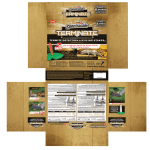
TERMITE DETECTION
& KILLING STAKES 2
Active Ingredient:
Hexaflumuron ................. 0.50%
Other Ingredients.......... 99.50%
CAUTION. Do Not Allow Children
or Pets to Play with Stakes
Net Wt 0.250 oz
FOR OUTDOOR USE AROUND
THE HOME.
STOP! READ ENTIRE DIRECTIONS FOR USE AND
PRECAUTIONARY STATEMENTS IN THE BOOKLET BEFORE
USING. • CHECK STAKES AS DIRECTED. • REPLACE
STAKES EVERY 12 MONTHS.
Questions & Comments? Call 1-888-545-5837.
Made in China • Distributed by Spectrum Group, Division of
United Industries Corporation, PO Box 142642, St. Louis,
MO 63114-0642 • EPA Reg. No. 9688-299-8845
EPA Est. No. 81825-CHN-1 17-15493 © 2014 UIC
COMPLETE KIT
READ ENTIRE LABEL & INSTRUCTION MANUAL
BEFORE USE. Complete directions for use are enclosed.
ALTO
®
ANTES DE USAR, LEA TODA LA ETIQUETA Y EL
MANUAL DE INSTRUCCIONES. Se incluyen las instrucciones completas.
MODO DE EMPLEO
DIRECTIONS FOR USE
It is a violation of Federal law to use this product in a manner inconsistent with its labeling. For outdoor use around the home.
Se considera una violación a la ley federal usar este producto de una manera que no sea la indicada en la etiqueta. Para usar en espacios exteriores alrededor de la casa.
1. Gather together:
1. JUNTE LO SIGUIENTE:
• Estacas para detectar y matar termitas2 y escudos • Papel cuadriculado incluido
detectores de Spectracide Terminate®
• Barrena incluida
• Cinta para medir
• Taladro eléctrico (opcional)
• Spectracide Terminate® Termite Detection • Enclosed graph paper
& Killing Stakes2 and locator shields
• Enclosed auger
• Tape measure
• Power drill (optional)
2. Determine the number of stakes you need. The number of stakes needed is determined by the distance
around the outside of your house. To estimate, use the square footage of your home excluding your garage, attached decks, patios and porches.
Home designs vary, but if you know the approximate square footage of your home, the chart will help you choose the number of stakes you need.
Up to 1,200 sq ft
1,200 to 2,500 sq ft or more
CASA DE UN PISO
Hasta 1,200 pies cuadrados
1,200 a 2,500 pies cuadrados o más
TWO-STORY HOME
Up to 1,500 sq ft
1,500 to 3,000 sq ft or more
CASA DE DOS PISOS
Hasta 1,500 pies cuadrados
1,500 a 3,000 pies cuadrados o más
10 ESTACAS
20 ESTACAS
10 STAKES
20 STAKES
3. Prepare drawing of your house. Using the enclosed graph paper, make a drawing of the outside of your house.
Note areas on the drawing such as doors, bushes, chimneys, etc., that will help you locate the stakes during the inspection process. Look for areas
that are likely to support termite activity and note them on your drawing. These might include areas that retain moisture around downspouts,
spigots, air conditioner lines and low areas with poor drainage.
4. Install the stakes around the house. Using the enclosed auger, dig holes 2 to 3 ft away from the foundation
and no more than 10 ft apart (DETAIL A). Insert the stakes with locator shield in the holes. Place stakes closer together in “termite critical” areas
(DETAIL B). Notice: Do not use auger for any purpose other than installation of the Spectracide Terminate® Termite Detection & Killing
Stakes2.
5. Inspect the stakes. Check the stakes for termite activity when the pop-up
indicator is seen by pulling the stakes from the ground. The locator shields will help make removal of
the stakes easier. It is important to check the stakes every three months. If you live in an area
suspected to contain Formosan subterranean termites, the frequency of stake inspection should be
increased to once a month.
Look for signs that the bait has been eaten (DETAIL C) or that termites are present inside the
stake (DETAIL D).
If evidence of termite activity is found in any stake, take the following steps:
1) Replace the active stake with a new stake;
2) Install additional stakes (three or more) within one foot of the infested stake; and
3) Note the date, the location and the additional stakes on your drawing.
All stakes must be replaced or removed every 12 months. Be sure to wash your hands
thoroughly after completing the inspection.
Do not reuse the bait cartridges. Subterranean termites secrete colony-specific pheromones that
become incorporated into the bait while feeding and foraging. The pheromones left in the bait by one
colony will cause feeding deterrence or repellency to other colonies, causing it to be ineffective.
C
B
D
STORAGE AND DISPOSAL
Do not contaminate water, food or feed by storage or disposal.
Pesticide Storage: Store in original container in a dry storage area. Pesticide Disposal: Product not disposed of by use according to label directions
should be wrapped in paper and placed in a trash can.
PRECAUTIONARY STATEMENTS
ALMACENAMIENTO Y ELIMINACIÓN
No contamine el agua ni los alimentos para personas y animales por medio del almacenamiento o la eliminación.
Almacenamiento del pesticida: Guarde en su envase original en un lugar seco. Eliminación del pesticida: El producto que no se elimine con el uso según las
instrucciones en la etiqueta se debe envolver en papel y desechar en la basura.
DECLARACIONES PREVENTIVAS
Zona favorable
para las termitas
Termite
favorable area
under or around deck or crawl space
†LIMITED WARRANTY • Satisfaction guaranteed or your money back. If within 15 months after purchase you are not satisfied with the product for any reason, return all of the termite stakes together
with (a) the proof-of-purchase UPC code designation on the package and (b) the dated store receipt showing the price you paid to Spectrum Group, PO Box 142642, St. Louis, MO 63114-0642 with your
request for replacement or refund. Please allow 6-8 weeks for processing.
This warranty is subject to these limitations: You must be the original purchaser of this product and you must follow all directions on the product label. This warranty does not apply if the products have
been misused, abused or used in commercial applications. Replacement of the product or refund of the purchase price is your exclusive remedy. This is Spectrum Group’s only warranty of this
product. Spectrum Group disclaims all other warranties to the extent permitted by law. This express warranty and any implied warranties of merchantability and fitness for a particular purpose
shall not extend beyond the warranty period. Spectrum Group is not responsible for any incidental or consequential damages. Some states do not allow limitations on how long implied warranties
last, or on the exclusion or limitation of incidental or consequential damages, so the above limitations may not apply to you. This warranty gives you specific legal rights, and you may also have other
rights that vary from state to state. This warranty is applicable only to products purchased and retained in the United States, its territories and possessions.
Please call Spectrum Group toll-free at 1-888-545-5837 if you have any questions about this warranty. Your warranty is valid only upon your completing, signing and returning the registration card
inside this box to Spectrum Group within thirty (30) days of your purchasing the product.
To register online, visit www.spectracide.com, click on the Customer Help Tab and select “Warranty Registration”.
Made in China
Distributed by Spectrum Group
Division of United Industries Corporation
PO Box 142642, St. Louis, MO 63114-0642
EPA Reg. No. 9688-299-8845
EPA Est. No. 81825-CHN-1
Replacement Stakes Available —
Sold Separately
PROOF OF PURCHASE
16-11219 © 2014 UIC
Dow® and the DOW DIAMOND
are ®Trademarks of
The Dow Chemical Company
0 71121 96115 0
Wood
Piles
COMPLETE KIT
15 STAKES
Also includes:
Instruction Booklet & Digging Tool
®
debajo o alrededor de la plataforma o túnel de servicio
más estacas en
zonas húmedas
more stakes
in moist areas
Riesgos para los seres humanos y los animales domésticos
PRECAUCIÓN. Nocivo si se absorbe por la piel. Evite el contacto con la piel, los ojos o la ropa. Lávese muy bien con agua y jabón después de manipularlo y antes de
comer, beber, masticar chicle, usar tabaco o usar el baño. Quítese la ropa contaminada y lávela antes de volverla a usar.
Primeros Auxilios • Si entra en contacto con la piel: Quítese la ropa contaminada. Lave inmediatamente la piel con abundante agua durante 15 a 20 minutos. Llame a
un centro de control de envenenamientos o a un médico para recibir instrucciones de tratamiento. Cuando llame a un centro de control de envenenamientos o a un médico, o
intente obtener tratamiento, tenga a la mano el envase o la etiqueta del producto. También puede llamar al 1-888-545-5837 para obtener información acerca del tratamiento
médico de urgencia.
Riesgos para el medio ambiente • Este producto es extremadamente tóxico para los invertebrados acuáticos y posiblemente los peces. No use los cartuchos de cebo en
depresiones; zonas bajas; cerca de estanques, arroyos, manantiales ni otras fuentes de agua; ni cerca de aberturas de tubos de desagüe cuando el cebo o su contenido de
hexaflumorón pueda ser arrastrado del cartucho de cebo al agua en o cerca de la superficie de la tierra.
NOTA: Hasta el grado que sea compatible con la legislación pertinente, el comprador asume toda la responsabilidad para seguridad y uso que no estén de acuerdo
con las instrucciones.
¿Preguntas o comentarios? Llame al 1-888-545-5837.
Wood
Sheds
Coloque las estacas a una distancia de 2 a 3 pies de la casa y no
más de 10 pies de separación entre sí.
D
Downspouts
Place stakes 2 to 3 ft away from home and no more than 10 ft apart.
C
No vuelva a usar los cartuchos de cebo. Las termitas subterráneas segregan feromonas específicas de cada
colonia que se incorporan al cebo al alimentarse y merodear. Las feromonas que deja una colonia en el cebo
disuaden o repelen a otras colonias, lo que lo hace ineficaz.
Estacas para detectar y matar termitas2
Easy to Use!
Also includes:
Se deben reemplazar o retirar todas las estacas cada 12 meses. Asegúrese de lavarse muy bien las
manos después de realizar la inspección.
Place stakes every 10 ft around home
Detect! and
2 to 3 ft from the foundation
Instruction Booklet & Digging Tool
B
KILL! Subterranean termites around your house
15 STAKES
A
Wood
Decks
COMPLETE KIT
como puertas, arbustos, chimeneas, etc., que le ayudarán a localizar las estacas durante el proceso de inspección. Busque zonas que tengan probabilidad de
mantener actividad de termitas y márquelas en su dibujo. Estas pueden ser zonas que retienen la humedad alrededor de tubos de desagüe, grifos, tubos de aire
acondicionado y zonas bajas con drenaje insuficiente.
4. INSTALE LAS ESTACAS ALREDEDOR DE LA CASA. Usando la barrena incluida, cave orificios a una distancia de 2 a 3 pies de los
cimientos y separados entre sí por no más de 10 pies (DETALLE A). Inserte las estacas con el escudo detector en los orificios. Coloque las estacas más próximas
entre sí en las zonas "con riesgo de termitas" (DETALLE B). Nota: No use la barrena para ningún otro fin que la instalación de las estacas para detectar y
matar termitas2 de Spectracide Terminate®.
5. Inspeccione las estacas. Cuando se ve el indicador emergente, revise las estacas
sacándolas de la tierra, para comprobar si hay actividad de termitas. El escudo detector hará que sea más fácil
quitar las estacas. Es importante revisar las estacas cada tres meses. Si vive en una zona donde se sospecha que
hay termitas subterráneas de Formosa, debe aumentar la frecuencia de las inspecciones a una vez por mes.
Busque señales que indiquen que el cebo fue comido (DETALLE C) o de la presencia de termitas en la estaca
(DETALLE D).
Si encuentra evidencia de actividad de termitas en alguna estaca, siga los pasos siguientes:
1) Reemplace la estaca activa con una nueva;
2) Instale estacas adicionales (tres o más) a una distancia no superior a un pie de la estaca infestada; y
3) Anote la fecha y ubicación de todas las estacas adicionales en el dibujo de su casa.
Air Units
Estacas para detectar y matar termitas2
3. HAGA UN DIBUJO DE SU CASA. Usando el papel cuadriculado incluido, haga un dibujo del exterior de su casa. Marque en el dibujo zonas tales
Use more stakes in
critical areas
Remember! termite
TERMITE DETECTION & KILLING STAKES 2
CANTIDAD DE ESTACAS NECESARIAS
TERMITE DETECTION & KILLING STAKES 2
®
Hazards to Humans and Domestic Animals
CAUTION. Harmful if absorbed through skin. Avoid contact with skin, eyes or clothing. Wash thoroughly with soap and water after handling and before
eating, drinking, chewing gum, using tobacco or using the toilet. Remove and wash contaminated clothing before reuse.
First Aid • If on Skin: Take off contaminated clothing. Rinse skin immediately with plenty of water for 15-20 minutes. Call a Poison Control Center or
doctor for treatment advice. Have the product container or label with you when calling a Poison Control Center or doctor, or going for treatment. You may
also contact 1-888-545-5837 for emergency medical treatment information.
Environmental Hazards • This product is highly toxic to aquatic invertebrates and possibly to fish. Do not use bait cartridges in depressions; low areas;
near ponds, streams, springs or other water sources; or near downspout openings when the bait or its hexaflumuron contents could be washed out of the
bait cartridge into water at or near the surface of the ground.
NOTICE: To the extent consistent with applicable law, buyer assumes all responsibility for safety and use not in accordance with directions.
Questions & Comments? Call 1-888-545-5837 or visit our website at www.spectracide.com
FPO
alrededor del exterior de su casa. Para calcularla, utilice la superficie en pies cuadrados de su casa, sin incluir su cochera, plataformas, patios y porches anexos. Los
diseños de las casas varían, pero si conoce la superficie aproximada en pies cuadrados de su casa, la tabla le servirá de ayuda para decidir la cantidad de estacas
que necesita.
ONE-STORY HOME
NUMBER OF STAKES NEEDED
A
2. Determine la cantidad de estacas que necesita. La cantidad necesaria de estacas la determina la distancia que hay
®
COMPLETE KIT
15 STAKES
Also includes:
Instruction Booklet & Digging Tool
®
TERMITE DETECTION & KILLING STAKES 2
Estacas para detectar y matar termitas2
Pop-up Indicator DETECTS Termite Activity
KILLS Foraging Termites
Installs In Minutes • Money Back Guarantee
†
For active infestations, contact a Dow® professional at getsentricon.com or 1-800-352-6776
Active Ingredient:
Hexaflumuron ...........0.50%
Other Ingredients ..... 99.50%
†For terms of guarantee,
see bottom.
DO NOT ALLOW CHILDREN
NO PERMITA QUE LOS NIÑOS NI LAS
OR PETS TO PLAY WITH STAKES MASCOTAS JUEGUEN CON LAS ESTACAS
See back panel and enclosed
CAUTION
booklet for additional
precautionary information.
PRECAUCIÓN
Contains Instruction Booklet, One Digging Tool
& 15 - 0.25 oz Stakes
See Directions for Use for more information.
Consulte el panel posterior y el folleto
NOT RECOMMENDED AS SOLE PROTECTION AGAINST TERMITES,
incluido para conocer información
adicional sobre las declaraciones preventivas. & FOR ACTIVE INFESTATIONS, GET A PROFESSIONAL INSPECTION.
Contiene un folleto de instrucciones, una herramienta para cavar
y 15 estacas de 0.25 onzas
Para obtener más información, consulte el Modo de empleo.
NO SE RECOMIENDA COMO ÚNICA PROTECCIÓN CONTRA LAS TERMITAS, Y EN
EL CASO DE INFESTACIONES ACTIVAS, SOLICITE UNA INSPECCIÓN PROFESIONAL.
EASY-TO-FIND
LOCATOR
SHIELDS
™
TOTAL NET WT 3.75 oz (106.3 g)
more stakes
in moist areas
Termite
favorable area
debajo o alrededor de la plataforma o túnel de servicio
under or around deck or crawl space
Coloque las estacas a una distancia de 2 a 3 pies de la casa y no
más de 10 pies de separación entre sí.
Place stakes 2 to 3 ft away from home and no more than 10 ft apart.
Easy to Use!
15 STAKES
Instruction Booklet & Digging Tool
Also includes:
COMPLETE KIT
Estacas para detectar y matar termitas2
TERMITE DETECTION & KILLING STAKES 2
®
20 STAKES
10 STAKES
D
C
D
B
ALMACENAMIENTO Y ELIMINACIÓN
No vuelva a usar los cartuchos de cebo. Las termitas subterráneas segregan feromonas específicas de cada
colonia que se incorporan al cebo al alimentarse y merodear. Las feromonas que deja una colonia en el cebo
disuaden o repelen a otras colonias, lo que lo hace ineficaz.
Se deben reemplazar o retirar todas las estacas cada 12 meses. Asegúrese de lavarse muy bien las
manos después de realizar la inspección.
0 71121 96115 0
PROOF OF PURCHASE
Replacement Stakes Available —
Sold Separately
Wood
Decks
Dow® and the DOW DIAMOND
are ®Trademarks of
The Dow Chemical Company
16-11219 © 2014 UIC
EPA Reg. No. 9688-299-8845
EPA Est. No. 81825-CHN-1
Made in China
Distributed by Spectrum Group
Division of United Industries Corporation
PO Box 142642, St. Louis, MO 63114-0642
Riesgos para los seres humanos y los animales domésticos
PRECAUCIÓN. Nocivo si se absorbe por la piel. Evite el contacto con la piel, los ojos o la ropa. Lávese muy bien con agua y jabón después de manipularlo y antes de
comer, beber, masticar chicle, usar tabaco o usar el baño. Quítese la ropa contaminada y lávela antes de volverla a usar.
Primeros Auxilios • Si entra en contacto con la piel: Quítese la ropa contaminada. Lave inmediatamente la piel con abundante agua durante 15 a 20 minutos. Llame a
un centro de control de envenenamientos o a un médico para recibir instrucciones de tratamiento. Cuando llame a un centro de control de envenenamientos o a un médico, o
intente obtener tratamiento, tenga a la mano el envase o la etiqueta del producto. También puede llamar al 1-888-545-5837 para obtener información acerca del tratamiento
médico de urgencia.
Riesgos para el medio ambiente • Este producto es extremadamente tóxico para los invertebrados acuáticos y posiblemente los peces. No use los cartuchos de cebo en
depresiones; zonas bajas; cerca de estanques, arroyos, manantiales ni otras fuentes de agua; ni cerca de aberturas de tubos de desagüe cuando el cebo o su contenido de
hexaflumorón pueda ser arrastrado del cartucho de cebo al agua en o cerca de la superficie de la tierra.
NOTA: Hasta el grado que sea compatible con la legislación pertinente, el comprador asume toda la responsabilidad para seguridad y uso que no estén de acuerdo
con las instrucciones.
¿Preguntas o comentarios? Llame al 1-888-545-5837.
DECLARACIONES PREVENTIVAS
No contamine el agua ni los alimentos para personas y animales por medio del almacenamiento o la eliminación.
Almacenamiento del pesticida: Guarde en su envase original en un lugar seco. Eliminación del pesticida: El producto que no se elimine con el uso según las
instrucciones en la etiqueta se debe envolver en papel y desechar en la basura.
C
A
como puertas, arbustos, chimeneas, etc., que le ayudarán a localizar las estacas durante el proceso de inspección. Busque zonas que tengan probabilidad de
mantener actividad de termitas y márquelas en su dibujo. Estas pueden ser zonas que retienen la humedad alrededor de tubos de desagüe, grifos, tubos de aire
acondicionado y zonas bajas con drenaje insuficiente.
4. INSTALE LAS ESTACAS ALREDEDOR DE LA CASA. Usando la barrena incluida, cave orificios a una distancia de 2 a 3 pies de los
cimientos y separados entre sí por no más de 10 pies (DETALLE A). Inserte las estacas con el escudo detector en los orificios. Coloque las estacas más próximas
entre sí en las zonas "con riesgo de termitas" (DETALLE B). Nota: No use la barrena para ningún otro fin que la instalación de las estacas para detectar y
matar termitas2 de Spectracide Terminate®.
5. Inspeccione las estacas. Cuando se ve el indicador emergente, revise las estacas
sacándolas de la tierra, para comprobar si hay actividad de termitas. El escudo detector hará que sea más fácil
quitar las estacas. Es importante revisar las estacas cada tres meses. Si vive en una zona donde se sospecha que
hay termitas subterráneas de Formosa, debe aumentar la frecuencia de las inspecciones a una vez por mes.
Busque señales que indiquen que el cebo fue comido (DETALLE C) o de la presencia de termitas en la estaca
(DETALLE D).
Si encuentra evidencia de actividad de termitas en alguna estaca, siga los pasos siguientes:
1) Reemplace la estaca activa con una nueva;
2) Instale estacas adicionales (tres o más) a una distancia no superior a un pie de la estaca infestada; y
3) Anote la fecha y ubicación de todas las estacas adicionales en el dibujo de su casa.
20 ESTACAS
1,500 a 3,000 pies cuadrados o más
1,200 a 2,500 pies cuadrados o más
3. HAGA UN DIBUJO DE SU CASA. Usando el papel cuadriculado incluido, haga un dibujo del exterior de su casa. Marque en el dibujo zonas tales
10 ESTACAS
Hasta 1,500 pies cuadrados
CASA DE DOS PISOS
CANTIDAD DE ESTACAS NECESARIAS
Hasta 1,200 pies cuadrados
CASA DE UN PISO
alrededor del exterior de su casa. Para calcularla, utilice la superficie en pies cuadrados de su casa, sin incluir su cochera, plataformas, patios y porches anexos. Los
diseños de las casas varían, pero si conoce la superficie aproximada en pies cuadrados de su casa, la tabla le servirá de ayuda para decidir la cantidad de estacas
que necesita.
2. Determine la cantidad de estacas que necesita. La cantidad necesaria de estacas la determina la distancia que hay
†LIMITED WARRANTY • Satisfaction guaranteed or your money back. If within 15 months after purchase you are not satisfied with the product for any reason, return all of the termite stakes together
with (a) the proof-of-purchase UPC code designation on the package and (b) the dated store receipt showing the price you paid to Spectrum Group, PO Box 142642, St. Louis, MO 63114-0642 with your
request for replacement or refund. Please allow 6-8 weeks for processing.
This warranty is subject to these limitations: You must be the original purchaser of this product and you must follow all directions on the product label. This warranty does not apply if the products have
been misused, abused or used in commercial applications. Replacement of the product or refund of the purchase price is your exclusive remedy. This is Spectrum Group’s only warranty of this
product. Spectrum Group disclaims all other warranties to the extent permitted by law. This express warranty and any implied warranties of merchantability and fitness for a particular purpose
shall not extend beyond the warranty period. Spectrum Group is not responsible for any incidental or consequential damages. Some states do not allow limitations on how long implied warranties
last, or on the exclusion or limitation of incidental or consequential damages, so the above limitations may not apply to you. This warranty gives you specific legal rights, and you may also have other
rights that vary from state to state. This warranty is applicable only to products purchased and retained in the United States, its territories and possessions.
Please call Spectrum Group toll-free at 1-888-545-5837 if you have any questions about this warranty. Your warranty is valid only upon your completing, signing and returning the registration card
inside this box to Spectrum Group within thirty (30) days of your purchasing the product.
To register online, visit www.spectracide.com, click on the Customer Help Tab and select “Warranty Registration”.
Hazards to Humans and Domestic Animals
CAUTION. Harmful if absorbed through skin. Avoid contact with skin, eyes or clothing. Wash thoroughly with soap and water after handling and before
eating, drinking, chewing gum, using tobacco or using the toilet. Remove and wash contaminated clothing before reuse.
First Aid • If on Skin: Take off contaminated clothing. Rinse skin immediately with plenty of water for 15-20 minutes. Call a Poison Control Center or
doctor for treatment advice. Have the product container or label with you when calling a Poison Control Center or doctor, or going for treatment. You may
also contact 1-888-545-5837 for emergency medical treatment information.
Environmental Hazards • This product is highly toxic to aquatic invertebrates and possibly to fish. Do not use bait cartridges in depressions; low areas;
near ponds, streams, springs or other water sources; or near downspout openings when the bait or its hexaflumuron contents could be washed out of the
bait cartridge into water at or near the surface of the ground.
NOTICE: To the extent consistent with applicable law, buyer assumes all responsibility for safety and use not in accordance with directions.
Questions & Comments? Call 1-888-545-5837 or visit our website at www.spectracide.com
PRECAUTIONARY STATEMENTS
Do not contaminate water, food or feed by storage or disposal.
Pesticide Storage: Store in original container in a dry storage area. Pesticide Disposal: Product not disposed of by use according to label directions
should be wrapped in paper and placed in a trash can.
STORAGE AND DISPOSAL
B
A
Note areas on the drawing such as doors, bushes, chimneys, etc., that will help you locate the stakes during the inspection process. Look for areas
that are likely to support termite activity and note them on your drawing. These might include areas that retain moisture around downspouts,
spigots, air conditioner lines and low areas with poor drainage.
4. Install the stakes around the house. Using the enclosed auger, dig holes 2 to 3 ft away from the foundation
and no more than 10 ft apart (DETAIL A). Insert the stakes with locator shield in the holes. Place stakes closer together in “termite critical” areas
(DETAIL B). Notice: Do not use auger for any purpose other than installation of the Spectracide Terminate® Termite Detection & Killing
Stakes2.
5. Inspect the stakes. Check the stakes for termite activity when the pop-up
indicator is seen by pulling the stakes from the ground. The locator shields will help make removal of
the stakes easier. It is important to check the stakes every three months. If you live in an area
suspected to contain Formosan subterranean termites, the frequency of stake inspection should be
increased to once a month.
Look for signs that the bait has been eaten (DETAIL C) or that termites are present inside the
stake (DETAIL D).
If evidence of termite activity is found in any stake, take the following steps:
1) Replace the active stake with a new stake;
2) Install additional stakes (three or more) within one foot of the infested stake; and
3) Note the date, the location and the additional stakes on your drawing.
All stakes must be replaced or removed every 12 months. Be sure to wash your hands
thoroughly after completing the inspection.
Do not reuse the bait cartridges. Subterranean termites secrete colony-specific pheromones that
become incorporated into the bait while feeding and foraging. The pheromones left in the bait by one
colony will cause feeding deterrence or repellency to other colonies, causing it to be ineffective.
3. Prepare drawing of your house. Using the enclosed graph paper, make a drawing of the outside of your house.
NUMBER OF STAKES NEEDED
1,500 to 3,000 sq ft or more
Up to 1,500 sq ft
TWO-STORY HOME
1,200 to 2,500 sq ft or more
Up to 1,200 sq ft
ONE-STORY HOME
around the outside of your house. To estimate, use the square footage of your home excluding your garage, attached decks, patios and porches.
Home designs vary, but if you know the approximate square footage of your home, the chart will help you choose the number of stakes you need.
2. Determine the number of stakes you need. The number of stakes needed is determined by the distance
• Estacas para detectar y matar termitas2 y escudos • Papel cuadriculado incluido
detectores de Spectracide Terminate®
• Barrena incluida
• Cinta para medir
• Taladro eléctrico (opcional)
1. JUNTE LO SIGUIENTE:
• Spectracide Terminate® Termite Detection • Enclosed graph paper
& Killing Stakes2 and locator shields
• Enclosed auger
• Tape measure
• Power drill (optional)
1. Gather together:
MODO DE EMPLEO
ANTES DE USAR, LEA TODA LA ETIQUETA Y EL
MANUAL DE INSTRUCCIONES. Se incluyen las instrucciones completas.
Se considera una violación a la ley federal usar este producto de una manera que no sea la indicada en la etiqueta. Para usar en espacios exteriores alrededor de la casa.
®
ALTO
It is a violation of Federal law to use this product in a manner inconsistent with its labeling. For outdoor use around the home.
DIRECTIONS FOR USE
READ ENTIRE LABEL & INSTRUCTION MANUAL
BEFORE USE. Complete directions for use are enclosed.
Wood
Sheds
FPO
más estacas en
zonas húmedas
Zona favorable
para las termitas
COMPLETE KIT
®
TERMITE DETECTION & KILLING STAKES 2
Estacas para detectar y matar termitas2
stakes every 10 ft around home
Detect! Place
and 2 to 3 ft from the foundation
KILL! Subterranean termites around your house
Wood
Piles
Air Units
Downspouts
more stakes in
termite critical areas
Remember! Use
®
®
†For terms of guarantee,
see bottom.
Active Ingredient:
Hexaflumuron ...........0.50%
Other Ingredients ..... 99.50%
CAUTION
PRECAUCIÓN
Contains Instruction Booklet, One Digging Tool
& 15 - 0.25 oz Stakes
See Directions for Use for more information.
Consulte el panel posterior y el folleto
NOT RECOMMENDED AS SOLE PROTECTION AGAINST TERMITES,
incluido para conocer información
adicional sobre las declaraciones preventivas. & FOR ACTIVE INFESTATIONS, GET A PROFESSIONAL INSPECTION.
DO NOT ALLOW CHILDREN
NO PERMITA QUE LOS NIÑOS NI LAS
OR PETS TO PLAY WITH STAKES MASCOTAS JUEGUEN CON LAS ESTACAS
See back panel and enclosed
booklet for additional
precautionary information.
†
Para obtener más información, consulte el Modo de empleo.
NO SE RECOMIENDA COMO ÚNICA PROTECCIÓN CONTRA LAS TERMITAS, Y EN
EL CASO DE INFESTACIONES ACTIVAS, SOLICITE UNA INSPECCIÓN PROFESIONAL.
Contiene un folleto de instrucciones, una herramienta para cavar
y 15 estacas de 0.25 onzas
For active infestations, contact a Dow® professional at getsentricon.com or 1-800-352-6776
Installs In Minutes • Money Back Guarantee
EASY-TO-FIND
LOCATOR
SHIELDS
TOTAL NET WT 3.75 oz (106.3 g)
Pop-up Indicator DETECTS Termite Activity
KILLS Foraging Termites
™
Instruction Booklet & Digging Tool
Also includes:
15 STAKES
COMPLETE KIT
TERMITE DETECTION & KILLING STAKES 2
Estacas para detectar y matar termitas2
Also includes:
Instruction Booklet & Digging Tool
15 STAKES
COMPLETE KIT
COMPLETE KIT
READ ENTIRE LABEL & INSTRUCTION MANUAL
BEFORE USE. Complete directions for use are enclosed.
ALTO
®
ANTES DE USAR, LEA TODA LA ETIQUETA Y EL
MANUAL DE INSTRUCCIONES. Se incluyen las instrucciones completas.
MODO DE EMPLEO
DIRECTIONS FOR USE
It is a violation of Federal law to use this product in a manner inconsistent with its labeling. For outdoor use around the home.
Se considera una violación a la ley federal usar este producto de una manera que no sea la indicada en la etiqueta. Para usar en espacios exteriores alrededor de la casa.
1. Gather together:
1. JUNTE LO SIGUIENTE:
• Estacas para detectar y matar termitas2 y escudos • Papel cuadriculado incluido
detectores de Spectracide Terminate®
• Barrena incluida
• Cinta para medir
• Taladro eléctrico (opcional)
• Spectracide Terminate® Termite Detection • Enclosed graph paper
& Killing Stakes2 and locator shields
• Enclosed auger
• Tape measure
• Power drill (optional)
2. Determine the number of stakes you need. The number of stakes needed is determined by the distance
around the outside of your house. To estimate, use the square footage of your home excluding your garage, attached decks, patios and porches.
Home designs vary, but if you know the approximate square footage of your home, the chart will help you choose the number of stakes you need.
Up to 1,200 sq ft
1,200 to 2,500 sq ft or more
CASA DE UN PISO
Hasta 1,200 pies cuadrados
1,200 a 2,500 pies cuadrados o más
TWO-STORY HOME
Up to 1,500 sq ft
1,500 to 3,000 sq ft or more
CASA DE DOS PISOS
Hasta 1,500 pies cuadrados
1,500 a 3,000 pies cuadrados o más
10 ESTACAS
20 ESTACAS
10 STAKES
20 STAKES
3. Prepare drawing of your house. Using the enclosed graph paper, make a drawing of the outside of your house.
Note areas on the drawing such as doors, bushes, chimneys, etc., that will help you locate the stakes during the inspection process. Look for areas
that are likely to support termite activity and note them on your drawing. These might include areas that retain moisture around downspouts,
spigots, air conditioner lines and low areas with poor drainage.
4. Install the stakes around the house. Using the enclosed auger, dig holes 2 to 3 ft away from the foundation
and no more than 10 ft apart (DETAIL A). Insert the stakes with locator shield in the holes. Place stakes closer together in “termite critical” areas
(DETAIL B). Notice: Do not use auger for any purpose other than installation of the Spectracide Terminate® Termite Detection & Killing
Stakes2.
5. Inspect the stakes. Check the stakes for termite activity when the pop-up
indicator is seen by pulling the stakes from the ground. The locator shields will help make removal of
the stakes easier. It is important to check the stakes every three months. If you live in an area
suspected to contain Formosan subterranean termites, the frequency of stake inspection should be
increased to once a month.
Look for signs that the bait has been eaten (DETAIL C) or that termites are present inside the
stake (DETAIL D).
If evidence of termite activity is found in any stake, take the following steps:
1) Replace the active stake with a new stake;
2) Install additional stakes (three or more) within one foot of the infested stake; and
3) Note the date, the location and the additional stakes on your drawing.
All stakes must be replaced or removed every 12 months. Be sure to wash your hands
thoroughly after completing the inspection.
Do not reuse the bait cartridges. Subterranean termites secrete colony-specific pheromones that
become incorporated into the bait while feeding and foraging. The pheromones left in the bait by one
colony will cause feeding deterrence or repellency to other colonies, causing it to be ineffective.
C
B
D
STORAGE AND DISPOSAL
Do not contaminate water, food or feed by storage or disposal.
Pesticide Storage: Store in original container in a dry storage area. Pesticide Disposal: Product not disposed of by use according to label directions
should be wrapped in paper and placed in a trash can.
PRECAUTIONARY STATEMENTS
ALMACENAMIENTO Y ELIMINACIÓN
No contamine el agua ni los alimentos para personas y animales por medio del almacenamiento o la eliminación.
Almacenamiento del pesticida: Guarde en su envase original en un lugar seco. Eliminación del pesticida: El producto que no se elimine con el uso según las
instrucciones en la etiqueta se debe envolver en papel y desechar en la basura.
DECLARACIONES PREVENTIVAS
Zona favorable
para las termitas
Termite
favorable area
under or around deck or crawl space
†LIMITED WARRANTY • Satisfaction guaranteed or your money back. If within 15 months after purchase you are not satisfied with the product for any reason, return all of the termite stakes together
with (a) the proof-of-purchase UPC code designation on the package and (b) the dated store receipt showing the price you paid to Spectrum Group, PO Box 142642, St. Louis, MO 63114-0642 with your
request for replacement or refund. Please allow 6-8 weeks for processing.
This warranty is subject to these limitations: You must be the original purchaser of this product and you must follow all directions on the product label. This warranty does not apply if the products have
been misused, abused or used in commercial applications. Replacement of the product or refund of the purchase price is your exclusive remedy. This is Spectrum Group’s only warranty of this
product. Spectrum Group disclaims all other warranties to the extent permitted by law. This express warranty and any implied warranties of merchantability and fitness for a particular purpose
shall not extend beyond the warranty period. Spectrum Group is not responsible for any incidental or consequential damages. Some states do not allow limitations on how long implied warranties
last, or on the exclusion or limitation of incidental or consequential damages, so the above limitations may not apply to you. This warranty gives you specific legal rights, and you may also have other
rights that vary from state to state. This warranty is applicable only to products purchased and retained in the United States, its territories and possessions.
Please call Spectrum Group toll-free at 1-888-545-5837 if you have any questions about this warranty. Your warranty is valid only upon your completing, signing and returning the registration card
inside this box to Spectrum Group within thirty (30) days of your purchasing the product.
To register online, visit www.spectracide.com, click on the Customer Help Tab and select “Warranty Registration”.
Made in China
Distributed by Spectrum Group
Division of United Industries Corporation
PO Box 142642, St. Louis, MO 63114-0642
EPA Reg. No. 9688-299-8845
EPA Est. No. 81825-CHN-1
Replacement Stakes Available —
Sold Separately
PROOF OF PURCHASE
16-11219 © 2014 UIC
Dow® and the DOW DIAMOND
are ®Trademarks of
The Dow Chemical Company
0 71121 96115 0
Wood
Piles
COMPLETE KIT
15 STAKES
Also includes:
Instruction Booklet & Digging Tool
®
debajo o alrededor de la plataforma o túnel de servicio
más estacas en
zonas húmedas
more stakes
in moist areas
Riesgos para los seres humanos y los animales domésticos
PRECAUCIÓN. Nocivo si se absorbe por la piel. Evite el contacto con la piel, los ojos o la ropa. Lávese muy bien con agua y jabón después de manipularlo y antes de
comer, beber, masticar chicle, usar tabaco o usar el baño. Quítese la ropa contaminada y lávela antes de volverla a usar.
Primeros Auxilios • Si entra en contacto con la piel: Quítese la ropa contaminada. Lave inmediatamente la piel con abundante agua durante 15 a 20 minutos. Llame a
un centro de control de envenenamientos o a un médico para recibir instrucciones de tratamiento. Cuando llame a un centro de control de envenenamientos o a un médico, o
intente obtener tratamiento, tenga a la mano el envase o la etiqueta del producto. También puede llamar al 1-888-545-5837 para obtener información acerca del tratamiento
médico de urgencia.
Riesgos para el medio ambiente • Este producto es extremadamente tóxico para los invertebrados acuáticos y posiblemente los peces. No use los cartuchos de cebo en
depresiones; zonas bajas; cerca de estanques, arroyos, manantiales ni otras fuentes de agua; ni cerca de aberturas de tubos de desagüe cuando el cebo o su contenido de
hexaflumorón pueda ser arrastrado del cartucho de cebo al agua en o cerca de la superficie de la tierra.
NOTA: Hasta el grado que sea compatible con la legislación pertinente, el comprador asume toda la responsabilidad para seguridad y uso que no estén de acuerdo
con las instrucciones.
¿Preguntas o comentarios? Llame al 1-888-545-5837.
Wood
Sheds
Coloque las estacas a una distancia de 2 a 3 pies de la casa y no
más de 10 pies de separación entre sí.
D
Downspouts
Place stakes 2 to 3 ft away from home and no more than 10 ft apart.
C
No vuelva a usar los cartuchos de cebo. Las termitas subterráneas segregan feromonas específicas de cada
colonia que se incorporan al cebo al alimentarse y merodear. Las feromonas que deja una colonia en el cebo
disuaden o repelen a otras colonias, lo que lo hace ineficaz.
Estacas para detectar y matar termitas2
Easy to Use!
Also includes:
Se deben reemplazar o retirar todas las estacas cada 12 meses. Asegúrese de lavarse muy bien las
manos después de realizar la inspección.
Place stakes every 10 ft around home
Detect! and
2 to 3 ft from the foundation
Instruction Booklet & Digging Tool
B
KILL! Subterranean termites around your house
15 STAKES
A
Wood
Decks
COMPLETE KIT
como puertas, arbustos, chimeneas, etc., que le ayudarán a localizar las estacas durante el proceso de inspección. Busque zonas que tengan probabilidad de
mantener actividad de termitas y márquelas en su dibujo. Estas pueden ser zonas que retienen la humedad alrededor de tubos de desagüe, grifos, tubos de aire
acondicionado y zonas bajas con drenaje insuficiente.
4. INSTALE LAS ESTACAS ALREDEDOR DE LA CASA. Usando la barrena incluida, cave orificios a una distancia de 2 a 3 pies de los
cimientos y separados entre sí por no más de 10 pies (DETALLE A). Inserte las estacas con el escudo detector en los orificios. Coloque las estacas más próximas
entre sí en las zonas "con riesgo de termitas" (DETALLE B). Nota: No use la barrena para ningún otro fin que la instalación de las estacas para detectar y
matar termitas2 de Spectracide Terminate®.
5. Inspeccione las estacas. Cuando se ve el indicador emergente, revise las estacas
sacándolas de la tierra, para comprobar si hay actividad de termitas. El escudo detector hará que sea más fácil
quitar las estacas. Es importante revisar las estacas cada tres meses. Si vive en una zona donde se sospecha que
hay termitas subterráneas de Formosa, debe aumentar la frecuencia de las inspecciones a una vez por mes.
Busque señales que indiquen que el cebo fue comido (DETALLE C) o de la presencia de termitas en la estaca
(DETALLE D).
Si encuentra evidencia de actividad de termitas en alguna estaca, siga los pasos siguientes:
1) Reemplace la estaca activa con una nueva;
2) Instale estacas adicionales (tres o más) a una distancia no superior a un pie de la estaca infestada; y
3) Anote la fecha y ubicación de todas las estacas adicionales en el dibujo de su casa.
Air Units
Estacas para detectar y matar termitas2
3. HAGA UN DIBUJO DE SU CASA. Usando el papel cuadriculado incluido, haga un dibujo del exterior de su casa. Marque en el dibujo zonas tales
Use more stakes in
critical areas
Remember! termite
TERMITE DETECTION & KILLING STAKES 2
CANTIDAD DE ESTACAS NECESARIAS
TERMITE DETECTION & KILLING STAKES 2
®
Hazards to Humans and Domestic Animals
CAUTION. Harmful if absorbed through skin. Avoid contact with skin, eyes or clothing. Wash thoroughly with soap and water after handling and before
eating, drinking, chewing gum, using tobacco or using the toilet. Remove and wash contaminated clothing before reuse.
First Aid • If on Skin: Take off contaminated clothing. Rinse skin immediately with plenty of water for 15-20 minutes. Call a Poison Control Center or
doctor for treatment advice. Have the product container or label with you when calling a Poison Control Center or doctor, or going for treatment. You may
also contact 1-888-545-5837 for emergency medical treatment information.
Environmental Hazards • This product is highly toxic to aquatic invertebrates and possibly to fish. Do not use bait cartridges in depressions; low areas;
near ponds, streams, springs or other water sources; or near downspout openings when the bait or its hexaflumuron contents could be washed out of the
bait cartridge into water at or near the surface of the ground.
NOTICE: To the extent consistent with applicable law, buyer assumes all responsibility for safety and use not in accordance with directions.
Questions & Comments? Call 1-888-545-5837 or visit our website at www.spectracide.com
FPO
alrededor del exterior de su casa. Para calcularla, utilice la superficie en pies cuadrados de su casa, sin incluir su cochera, plataformas, patios y porches anexos. Los
diseños de las casas varían, pero si conoce la superficie aproximada en pies cuadrados de su casa, la tabla le servirá de ayuda para decidir la cantidad de estacas
que necesita.
ONE-STORY HOME
NUMBER OF STAKES NEEDED
A
2. Determine la cantidad de estacas que necesita. La cantidad necesaria de estacas la determina la distancia que hay
®
COMPLETE KIT
15 STAKES
Also includes:
Instruction Booklet & Digging Tool
®
TERMITE DETECTION & KILLING STAKES 2
Estacas para detectar y matar termitas2
Pop-up Indicator DETECTS Termite Activity
KILLS Foraging Termites
Installs In Minutes • Money Back Guarantee
†
For active infestations, contact a Dow® professional at getsentricon.com or 1-800-352-6776
Active Ingredient:
Hexaflumuron ...........0.50%
Other Ingredients ..... 99.50%
†For terms of guarantee,
see bottom.
DO NOT ALLOW CHILDREN
NO PERMITA QUE LOS NIÑOS NI LAS
OR PETS TO PLAY WITH STAKES MASCOTAS JUEGUEN CON LAS ESTACAS
See back panel and enclosed
CAUTION
booklet for additional
precautionary information.
PRECAUCIÓN
Contains Instruction Booklet, One Digging Tool
& 15 - 0.25 oz Stakes
See Directions for Use for more information.
Consulte el panel posterior y el folleto
NOT RECOMMENDED AS SOLE PROTECTION AGAINST TERMITES,
incluido para conocer información
adicional sobre las declaraciones preventivas. & FOR ACTIVE INFESTATIONS, GET A PROFESSIONAL INSPECTION.
Contiene un folleto de instrucciones, una herramienta para cavar
y 15 estacas de 0.25 onzas
Para obtener más información, consulte el Modo de empleo.
NO SE RECOMIENDA COMO ÚNICA PROTECCIÓN CONTRA LAS TERMITAS, Y EN
EL CASO DE INFESTACIONES ACTIVAS, SOLICITE UNA INSPECCIÓN PROFESIONAL.
EASY-TO-FIND
LOCATOR
SHIELDS
™
TOTAL NET WT 3.75 oz (106.3 g)
®
TERMITE DETECTION & KILLING STAKES 2
Estacas para detectar y matar termitas2
15 STAKES
Instruction Booklet & Digging Tool
Also includes:
FPO
COMPLETE KIT
Easy to Use!
Place stakes 2 to 3 ft away from home and no more than 10 ft apart.
Coloque las estacas a una distancia de 2 a 3 pies de la casa y no
más de 10 pies de separación entre sí.
debajo o alrededor de la plataforma o túnel de servicio
under or around deck or crawl space
more stakes
in moist areas
Termite
favorable area
más estacas en
zonas húmedas
Zona favorable
para las termitas
COMPLETE KIT
READ ENTIRE LABEL & INSTRUCTION MANUAL
BEFORE USE. Complete directions for use are enclosed.
®
ALTO
ANTES DE USAR, LEA TODA LA ETIQUETA Y EL
MANUAL DE INSTRUCCIONES. Se incluyen las instrucciones completas.
MODO DE EMPLEO
1. JUNTE LO SIGUIENTE:
Se considera una violación a la ley federal usar este producto de una manera que no sea la indicada en la etiqueta. Para usar en espacios exteriores alrededor de la casa.
DIRECTIONS FOR USE
1. Gather together:
• Estacas para detectar y matar termitas y escudos • Papel cuadriculado incluido
2
detectores de Spectracide Terminate®
• Barrena incluida
• Cinta para medir
• Taladro eléctrico (opcional)
It is a violation of Federal law to use this product in a manner inconsistent with its labeling. For outdoor use around the home.
• Spectracide Terminate® Termite Detection • Enclosed graph paper
& Killing Stakes2 and locator shields
• Enclosed auger
• Tape measure
• Power drill (optional)
Up to 1,200 sq ft
1,500 to 3,000 sq ft or more
1,200 to 2,500 sq ft or more
CASA DE DOS PISOS
CASA DE UN PISO
2. Determine the number of stakes you need. The number of stakes needed is determined by the distance
around the outside of your house. To estimate, use the square footage of your home excluding your garage, attached decks, patios and porches.
Home designs vary, but if you know the approximate square footage of your home, the chart will help you choose the number of stakes you need.
ONE-STORY HOME
Up to 1,500 sq ft
10 ESTACAS
Hasta 1,500 pies cuadrados
Hasta 1,200 pies cuadrados
20 ESTACAS
1,500 a 3,000 pies cuadrados o más
1,200 a 2,500 pies cuadrados o más
2. Determine la cantidad de estacas que necesita. La cantidad necesaria de estacas la determina la distancia que hay
alrededor del exterior de su casa. Para calcularla, utilice la superficie en pies cuadrados de su casa, sin incluir su cochera, plataformas, patios y porches anexos. Los
diseños de las casas varían, pero si conoce la superficie aproximada en pies cuadrados de su casa, la tabla le servirá de ayuda para decidir la cantidad de estacas
que necesita.
TWO-STORY HOME
20 STAKES
A
B
D
Se deben reemplazar o retirar todas las estacas cada 12 meses. Asegúrese de lavarse muy bien las
manos después de realizar la inspección.
No vuelva a usar los cartuchos de cebo. Las termitas subterráneas segregan feromonas específicas de cada
colonia que se incorporan al cebo al alimentarse y merodear. Las feromonas que deja una colonia en el cebo
disuaden o repelen a otras colonias, lo que lo hace ineficaz.
ALMACENAMIENTO Y ELIMINACIÓN
Replacement Stakes Available —
Sold Separately
PROOF OF PURCHASE
0 71121 96115 0
Wood
Decks
Wood
Sheds
Dow® and the DOW DIAMOND
are ®Trademarks of
The Dow Chemical Company
16-11219 © 2014 UIC
EPA Reg. No. 9688-299-8845
EPA Est. No. 81825-CHN-1
Made in China
Distributed by Spectrum Group
Division of United Industries Corporation
PO Box 142642, St. Louis, MO 63114-0642
Riesgos para los seres humanos y los animales domésticos
PRECAUCIÓN. Nocivo si se absorbe por la piel. Evite el contacto con la piel, los ojos o la ropa. Lávese muy bien con agua y jabón después de manipularlo y antes de
comer, beber, masticar chicle, usar tabaco o usar el baño. Quítese la ropa contaminada y lávela antes de volverla a usar.
Primeros Auxilios • Si entra en contacto con la piel: Quítese la ropa contaminada. Lave inmediatamente la piel con abundante agua durante 15 a 20 minutos. Llame a
un centro de control de envenenamientos o a un médico para recibir instrucciones de tratamiento. Cuando llame a un centro de control de envenenamientos o a un médico, o
intente obtener tratamiento, tenga a la mano el envase o la etiqueta del producto. También puede llamar al 1-888-545-5837 para obtener información acerca del tratamiento
médico de urgencia.
Riesgos para el medio ambiente • Este producto es extremadamente tóxico para los invertebrados acuáticos y posiblemente los peces. No use los cartuchos de cebo en
depresiones; zonas bajas; cerca de estanques, arroyos, manantiales ni otras fuentes de agua; ni cerca de aberturas de tubos de desagüe cuando el cebo o su contenido de
hexaflumorón pueda ser arrastrado del cartucho de cebo al agua en o cerca de la superficie de la tierra.
NOTA: Hasta el grado que sea compatible con la legislación pertinente, el comprador asume toda la responsabilidad para seguridad y uso que no estén de acuerdo
con las instrucciones.
¿Preguntas o comentarios? Llame al 1-888-545-5837.
DECLARACIONES PREVENTIVAS
No contamine el agua ni los alimentos para personas y animales por medio del almacenamiento o la eliminación.
Almacenamiento del pesticida: Guarde en su envase original en un lugar seco. Eliminación del pesticida: El producto que no se elimine con el uso según las
instrucciones en la etiqueta se debe envolver en papel y desechar en la basura.
C
5. Inspeccione las estacas. Cuando se ve el indicador emergente, revise las estacas
sacándolas de la tierra, para comprobar si hay actividad de termitas. El escudo detector hará que sea más fácil
quitar las estacas. Es importante revisar las estacas cada tres meses. Si vive en una zona donde se sospecha que
hay termitas subterráneas de Formosa, debe aumentar la frecuencia de las inspecciones a una vez por mes.
Busque señales que indiquen que el cebo fue comido (DETALLE C) o de la presencia de termitas en la estaca
(DETALLE D).
Si encuentra evidencia de actividad de termitas en alguna estaca, siga los pasos siguientes:
1) Reemplace la estaca activa con una nueva;
2) Instale estacas adicionales (tres o más) a una distancia no superior a un pie de la estaca infestada; y
3) Anote la fecha y ubicación de todas las estacas adicionales en el dibujo de su casa.
3. HAGA UN DIBUJO DE SU CASA. Usando el papel cuadriculado incluido, haga un dibujo del exterior de su casa. Marque en el dibujo zonas tales
como puertas, arbustos, chimeneas, etc., que le ayudarán a localizar las estacas durante el proceso de inspección. Busque zonas que tengan probabilidad de
mantener actividad de termitas y márquelas en su dibujo. Estas pueden ser zonas que retienen la humedad alrededor de tubos de desagüe, grifos, tubos de aire
acondicionado y zonas bajas con drenaje insuficiente.
4. INSTALE LAS ESTACAS ALREDEDOR DE LA CASA. Usando la barrena incluida, cave orificios a una distancia de 2 a 3 pies de los
cimientos y separados entre sí por no más de 10 pies (DETALLE A). Inserte las estacas con el escudo detector en los orificios. Coloque las estacas más próximas
entre sí en las zonas "con riesgo de termitas" (DETALLE B). Nota: No use la barrena para ningún otro fin que la instalación de las estacas para detectar y
matar termitas2 de Spectracide Terminate®.
CANTIDAD DE ESTACAS NECESARIAS
10 STAKES
NUMBER OF STAKES NEEDED
B
D
5. Inspect the stakes. Check the stakes for termite activity when the pop-up
indicator is seen by pulling the stakes from the ground. The locator shields will help make removal of
the stakes easier. It is important to check the stakes every three months. If you live in an area
suspected to contain Formosan subterranean termites, the frequency of stake inspection should be
increased to once a month.
Look for signs that the bait has been eaten (DETAIL C) or that termites are present inside the
stake (DETAIL D).
If evidence of termite activity is found in any stake, take the following steps:
1) Replace the active stake with a new stake;
2) Install additional stakes (three or more) within one foot of the infested stake; and
3) Note the date, the location and the additional stakes on your drawing.
All stakes must be replaced or removed every 12 months. Be sure to wash your hands
thoroughly after completing the inspection.
Do not reuse the bait cartridges. Subterranean termites secrete colony-specific pheromones that
become incorporated into the bait while feeding and foraging. The pheromones left in the bait by one
colony will cause feeding deterrence or repellency to other colonies, causing it to be ineffective.
3. Prepare drawing of your house. Using the enclosed graph paper, make a drawing of the outside of your house.
Note areas on the drawing such as doors, bushes, chimneys, etc., that will help you locate the stakes during the inspection process. Look for areas
that are likely to support termite activity and note them on your drawing. These might include areas that retain moisture around downspouts,
spigots, air conditioner lines and low areas with poor drainage.
4. Install the stakes around the house. Using the enclosed auger, dig holes 2 to 3 ft away from the foundation
and no more than 10 ft apart (DETAIL A). Insert the stakes with locator shield in the holes. Place stakes closer together in “termite critical” areas
(DETAIL B). Notice: Do not use auger for any purpose other than installation of the Spectracide Terminate® Termite Detection & Killing
Stakes2.
A
C
STORAGE AND DISPOSAL
Do not contaminate water, food or feed by storage or disposal.
Pesticide Storage: Store in original container in a dry storage area. Pesticide Disposal: Product not disposed of by use according to label directions
should be wrapped in paper and placed in a trash can.
PRECAUTIONARY STATEMENTS
Hazards to Humans and Domestic Animals
CAUTION. Harmful if absorbed through skin. Avoid contact with skin, eyes or clothing. Wash thoroughly with soap and water after handling and before
eating, drinking, chewing gum, using tobacco or using the toilet. Remove and wash contaminated clothing before reuse.
First Aid • If on Skin: Take off contaminated clothing. Rinse skin immediately with plenty of water for 15-20 minutes. Call a Poison Control Center or
doctor for treatment advice. Have the product container or label with you when calling a Poison Control Center or doctor, or going for treatment. You may
also contact 1-888-545-5837 for emergency medical treatment information.
Environmental Hazards • This product is highly toxic to aquatic invertebrates and possibly to fish. Do not use bait cartridges in depressions; low areas;
near ponds, streams, springs or other water sources; or near downspout openings when the bait or its hexaflumuron contents could be washed out of the
bait cartridge into water at or near the surface of the ground.
NOTICE: To the extent consistent with applicable law, buyer assumes all responsibility for safety and use not in accordance with directions.
Questions & Comments? Call 1-888-545-5837 or visit our website at www.spectracide.com
†LIMITED WARRANTY • Satisfaction guaranteed or your money back. If within 15 months after purchase you are not satisfied with the product for any reason, return all of the termite stakes together
with (a) the proof-of-purchase UPC code designation on the package and (b) the dated store receipt showing the price you paid to Spectrum Group, PO Box 142642, St. Louis, MO 63114-0642 with your
request for replacement or refund. Please allow 6-8 weeks for processing.
This warranty is subject to these limitations: You must be the original purchaser of this product and you must follow all directions on the product label. This warranty does not apply if the products have
been misused, abused or used in commercial applications. Replacement of the product or refund of the purchase price is your exclusive remedy. This is Spectrum Group’s only warranty of this
product. Spectrum Group disclaims all other warranties to the extent permitted by law. This express warranty and any implied warranties of merchantability and fitness for a particular purpose
shall not extend beyond the warranty period. Spectrum Group is not responsible for any incidental or consequential damages. Some states do not allow limitations on how long implied warranties
last, or on the exclusion or limitation of incidental or consequential damages, so the above limitations may not apply to you. This warranty gives you specific legal rights, and you may also have other
rights that vary from state to state. This warranty is applicable only to products purchased and retained in the United States, its territories and possessions.
Please call Spectrum Group toll-free at 1-888-545-5837 if you have any questions about this warranty. Your warranty is valid only upon your completing, signing and returning the registration card
inside this box to Spectrum Group within thirty (30) days of your purchasing the product.
To register online, visit www.spectracide.com, click on the Customer Help Tab and select “Warranty Registration”.
Air Units
See back panel and enclosed
booklet for additional
precautionary information.
COMPLETE KIT
Also includes:
15 STAKES
Instruction Booklet & Digging Tool
Estacas para detectar y matar termitas2
®
†
Contiene un folleto de instrucciones, una herramienta para cavar
y 15 estacas de 0.25 onzas
®
Para obtener más información, consulte el Modo de empleo.
NO SE RECOMIENDA COMO ÚNICA PROTECCIÓN CONTRA LAS TERMITAS, Y EN
EL CASO DE INFESTACIONES ACTIVAS, SOLICITE UNA INSPECCIÓN PROFESIONAL.
COMPLETE KIT
™
Instruction Booklet & Digging Tool
Also includes:
15 STAKES
EASY-TO-FIND
LOCATOR
SHIELDS
TOTAL NET WT 3.75 oz (106.3 g)
Pop-up Indicator DETECTS Termite Activity
KILLS Foraging Termites
Installs In Minutes • Money Back Guarantee
Contains Instruction Booklet, One Digging Tool
& 15 - 0.25 oz Stakes
See Directions for Use for more information.
Consulte el panel posterior y el folleto
NOT RECOMMENDED AS SOLE PROTECTION AGAINST TERMITES,
incluido para conocer información
adicional sobre las declaraciones preventivas. & FOR ACTIVE INFESTATIONS, GET A PROFESSIONAL INSPECTION.
For active infestations, contact a Dow® professional at getsentricon.com or 1-800-352-6776
PRECAUCIÓN
DO NOT ALLOW CHILDREN
NO PERMITA QUE LOS NIÑOS NI LAS
OR PETS TO PLAY WITH STAKES MASCOTAS JUEGUEN CON LAS ESTACAS
CAUTION
TERMITE DETECTION & KILLING STAKES 2
Active Ingredient:
Hexaflumuron ...........0.50%
Other Ingredients ..... 99.50%
†For terms of guarantee,
see bottom.
Use more stakes in
critical areas
Remember! termite
Downspouts
Wood
Piles
KILL! Subterranean termites around your house
Place stakes every 10 ft around home
Detect! and
2 to 3 ft from the foundation
Estacas para detectar y matar termitas2
TERMITE DETECTION & KILLING STAKES 2
®
STOP
Read all instructions
inside before using.
TERMITE DETECTION
& KILLING STAKES 2
Estacas para detectar y matar termitas
termitas2
Pop-up
Pop
up Indicator D
DETECTS
DE
E TE
ET
TE
EC
C TS
CT
TS
Termite Activityy
KILLS Foraging Termites
Instruction Booklet
Active
Act
A
cttiive
ve IInngre
gredie
redi
dient:
die
d
nt:
t
Hexxaflu
He
afl
flumur
m on ....
......
......
...
................ 0.5
...
0.50%
0%
Other
Oth
er Ing
ngred
e ien
ients
ts.
ts
s ...........
..... 99..50%
0
DO NOT ALLLOW
DO
OW CHIHILD
HILD
LDRE
REN OR
REN
OR PET
ETS TO
ETS
TO PLA
LAY WI
LAY
WITH
TH STA
TAKE
AKE
KES
KES
CAUTION
See
ee innsi
ee
sidde for
o ad
adddititiion
oonaal
pre
reca
re
cauutitioonna
ca
nar
aarry inf
nfoorm
rma
matitioon.
ma
n.
Spppeectr
Spe
c raci
accide
d Te
Ter
Ter
ermin
minate
at ® Term
ate
Term
Te
rmi
mitee Det
mite
Dee ect
ection
ction
on & Ki
Kiillin
Kil
ling
ing Sta
takkes
es2 ar
are nott re
are
rec
ecomm
mm
men
endded as
as sol
sole
prro
ppro
rotec
tectio
ectio
t n aggai
a nstt te
t rmi
r tes
tes,, and for
f ac
a tiv
tivee inf
nfeesta
statio
tions
tio
ns,, ge
ns
g t a pr
p ofe
ofessi
fessi
ssion
ona
on
nal ins
nsppect
ection
ion
onn.
Se “R
See
“Redu
educin
cing
cin
i g the
he Ri
Rissk of Term
ermitttees”
ermit
s andd “IImpo
mport
port
rta
tant
nt Us
Usaage
g No
Nottes
es”” ffoor mor
oree in
inffo
for
ormat
matio
a io
ion
ion
on.
TERMITE DETECTION
& KILLING STAKES2
WELCOME
Thank you for purchasing Spectracide Terminate® Termite Detection & Killing Stakes2. This
product is made with Dow® technology.
Using Spectracide Terminate Termite Detection & Killing Stakes2 is an important step
toward reducing the risk of termite damage. This booklet includes complete step-by-step
instructions on how to install and inspect your stakes, and information on what to do if you
find termite activity. It also includes other important steps that you should take to reduce
the chance of termite infestation.
Reducing the risk of termites is not a one-time event. It is very important that you monitor
your Spectracide Terminate Termite Detection & Killing Stakes2 as directed and replace all
stakes after twelve (12) months of use.
See “Reducing the Risk of Termites” and “Important Usage Notes” for more information.
Spectracide Terminate Termite Detection & Killing Stakes2 are not recommended as sole
protection against termites, and for active infestations, get a professional inspection.
If you have any questions, please visit our website at www.spectracide.com, or call our
Termite Information hotline at 1-888-545-5837. For active infestations, contact a Dow®
professional at getsentricon.com or 1-800-352-6776.
TABLE OF CONTENTS
SECTION I
What You Should Know About Termites
Termite Facts. . . . . . . . . . . . . . . . . . . . . . . . . . . . . . . . . . . . . .
How Do I Know if I Have Termites?. . . . . . . . . . . . . . . . . . . . . .
Types of Termites. . . . . . . . . . . . . . . . . . . . . . . . . . . . . . . . . . .
Reducing the Risk of Termites.. . . . . . . . . . . . . . . . . . . . . . . . .
Inspecting for Termites . . . . . . . . . . . . . . . . . . . . . . . . . . . . . .
Where to Look. . . . . . . . . . . . . . . . . . . . . . . . . . . . . . . . . . . . .
SECTION II
Directions for Use
How to Use. . . . . . . . . . . . . . . . . . . . . . . . . . . . . . . . . . . . . . .
Helpful Tips. . . . . . . . . . . . . . . . . . . . . . . . . . . . . . . . . . . . . . .
Important Usage Notes . . . . . . . . . . . . . . . . . . . . . . . . . . . . . .
Storage and Disposal. . . . . . . . . . . . . . . . . . . . . . . . . . . . . . . .
Precautionary Statements. . . . . . . . . . . . . . . . . . . . . . . . . . . .
Page 3
Page 3
Page 4
Page 5
Page 5
Page 7
Page 8
Page 10
Page 10
Page 11
Page 11
WHAT YOU SHOULD KNOW ABOUT TERMITES
It has been suggested that there are only two types of homes: those that have termites and
those that will have termites in the future. Whether you live in the north or south, or have a
new or old home, your home is a target for termites. Termites enter your home through tiny
cracks in the foundation or slab, through utility entry points, or anywhere that soil contacts
wood. If they can’t find an easy entrance point near the ground, they will construct mud
tunnels up the side of a structure to access areas above ground. The damage termites
cause may not be as dramatic as a fire or a tornado, but eventually it can threaten the
structural integrity of your house. Their presence is not readily noticed, and damage often is
discovered before the termites are seen.
2
Termite Facts
•In the U.S., over 600,000 homes are infested with termites each year and cause more than
$1.5 billion in damage.
•Worker termites forage 24 hours a day, 365 days a year. They never sleep.
•Termites have been around for over 300 million years.
•Termites rarely expose themselves to light and can actually die from direct
sunlight exposure.
•Subterranean worker termites forage in search of wood-based food sources.
•Termite queens are believed to live 15 to 25 years and are capable of laying an egg every
15 seconds.
• Formosan termites, an aggressive variety of subterranean termite, eat not only dead wood
and houses but even attack live trees. In New Orleans, Formosans threaten the city’s
famous live oaks, and termite baits are being used to help control them.
• Subterranean termite colonies can be found in the soil anywhere from 2 to 12 ft deep.
•An infested home may have up to three or four subterranean termite colonies around it.
How Do I Know If I Have Termites?
Subterranean termites are
found in 49 of the 50 states and
Puerto Rico (everywhere except
Alaska).
Warning Signs
None
Moderate
Slight
Heavy
Note: Levels of termite infestation
in any category may vary,
depending on local conditions.
Source: Council of American
Building Officials, One and Two
Family Building code.
Very Heavy
Termites rarely come to the surface of what they’re eating, so most of the time you will
never know they have invaded your home until it is too late. If they have, you may see some
of these warning signs:
•Swarming or flying termites in the house, especially near sources of light. Termites typically
swarm from January to July.
•Small wings near windows, doors or in the garage.
•Mud tunnels along the foundation of your house, inside or outside.
•Small holes in the wood or drywall or buckling paint.
3
TERMITE DETECTION
& KILLING STAKES2
Swarming ants and termites look very similar. Compare these characteristics:
Termite
• Straight antennae
• No visible eyes
• Two pairs of wings of
equal length
• Thick waist
Ant
• Elbowed antennae
• Eyes present
• Two pairs of wings
of unequal length
• Thin waist
(hourglass shape)
Since termites eat wood from the inside out, it may be difficult to determine the extent of an
active termite infestation. If you suspect an active infestation, we recommend a professional
inspection and some type of treatment to the area where termites are present.
Types of Termites
Subterranean Termites: These are the most common type of termites, and have been
estimated to cause over 90% of all termite damage in the U.S. These termites live in
colonies in the soil and enter houses in search of wood-based food. However, subterranean
termites do not live in houses, since they must constantly return to the ground for moisture
and to supply the colony with food.
Each colony is built around a queen, whose sole job
is reproduction. A queen can live as long as 25 years
and produce thousands of eggs per year.
QUEEN
The colony also has soldier termites who protect the
colony from predators (mostly ants),
SOLDIER
worker termites who provide food for the colony,
WORKER
and winged reproductive termites who turn into
queen termites and leave each year to start new
termite colonies.
WINGED REPRODUCTIVE
4
Worker termites are the most troublesome termites to homeowners. Because they are in
charge of providing food to the colony, they constantly forage in search of wood-based food,
traveling as far as 250 ft from the colony. This relentless search for food makes your home
a target. Fortunately, their foraging also makes Spectracide Terminate® Termite Detection &
Killing Stakes2 another target.
Formosan Termites: The Formosan subterranean termite is the most destructive termite in
the U.S. These termites live in the ground like common subterranean termites, but have
colonies that are many times greater in size. A colony of Formosan termites may have
millions of members and can consume hundreds of pounds of wood in a single year.
Formosan termites are located in coastal areas and are especially prevalent in Louisiana
and Hawaii. If you live in an area suspected to contain Formosan termites, the frequency of
stake monitoring should be increased to once a month.
Drywood and Dampwood Termites: While subterranean termites are the most common
and the variety that Spectracide Terminate® Termite Detection & Killing Stakes2 are designed
to treat, other types of termites do exist. Drywood termite colonies live in undecayed wood
with little moisture and do not have to maintain constant contact with the ground. Drywood
termites are found along the Southeast, Gulf and Southern California coasts.
Dampwood termite colonies live in moist wood, like tree stumps or areas in a house that
contain a high degree of moisture. They do not have to maintain constant contact with the
ground. These termites can be three times the size of subterranean termites. Dampwood
termites are found along the coastal areas of Northern California and the Pacific Northwest.
Homes in one of these areas can have subterranean and some other type of termite.
If you live in an area where drywood, dampwood and/or Formosan termites are found,
regular inspections, by a certified professional pest control operator, are recommended to
determine if these types of termites are in your home.
Reducing the Risk of Termites
Spectracide Terminate Termite Detection & Killing Stakes2 are not recommended as sole
protection against termites, and for active infestations, get a professional inspection.
In addition to using Spectracide Terminate Termite Detection & Killing Stakes2, here
are some important steps you can take to reduce the risk of termite infestation.
•Eliminate any sources of moisture for termites. Check for leaky water spigots, sump
pumps or sprinklers. Look for any areas that stay moist for a long time, such as mulch
or under bricks or large rocks and ensure that water flows away from your home. Also
check for interior leaks in pipes or from roof drainage. Pay particular attention to areas
near kitchens or bathrooms, and attached porches or decks.
•Remove potential food sources that will attract termites to the vicinity of your home.
These include direct wood-to-soil contact (fences, stairs, trellises), wood piles, stumps or
dead bushes and other wood debris.
•Apply a pre-treatment. When building a new home, check with
your contractor for soil pre-treatments that can be applied by an
authorized pest control operator.
• Have a regular termite inspection. Certified termite inspectors
can point out other areas that attract termites to your home
and may recommend other treatments such as mechanical
alteration, soil or foundation treatments.
Inspecting for Termites
Regular termite inspections are an important step in an effective termite program. Most
states have guidelines and certification programs for termite inspectors. When having your
home inspected, make sure the person or firm is authorized by your state to inspect for
termites. A typical termite inspection will involve the following steps:
An examination of your house foundation searching for termite mud tunnels. Subterranean
1.
termites live in colonies in the ground. In order for them to enter an above ground food
5
TERMITE DETECTION
& KILLING STAKES2
source, such as a house, they construct mud tunnels to protect
them during their journey from the colony to the food source. Mud
tunnels are constructed of dirt and are about as thick as a pencil.
Any mud tunnels must be inspected for termite activity. This is
accomplished by breaking off a 1- to 2-inch section of the tunnel
and looking for termites. If termites are present, the tunnel is active.
If termites are not present and the tunnel is not reconstructed
in one week, then the tunnel is inactive. If during that time, the
tunnel is reconstructed, the tunnel is active. If termites are found,
a sample should be collected for identification (see note below).
An examination of any direct wood-to-ground contact outside
2.
of the house. All wood, including treated lumber, which has direct
contact with the soil must be inspected for termite activity. Examples
of direct wood-to-soil contact include wood fences, steps from
your house, wooden decking and steps, landscaping timbers and
mulch beds. This wood is inspected for termite activity at or near
ground level by probing with a screwdriver or other sharp object.
If the wood is easily penetrated, the wood has been damaged by
termites, fungus, or some other wood-destroying organism. Termite
activity is indicated by the presence of termites in the wood or signs
that they have been feeding at this site. Signs of feeding include
termite foraging galleries, dirt or mud present in the wood and/or
small trails or holes in the center portion of the wood.
3. An examination of the interior of your house for signs of termite
activity. Floor boards, wallboard, wood trim around windows and
doors and wood in the attic must be inspected for termite activity.
There are three primary signs of termite activity that should be noted
during this portion of the inspection. First, the most conclusive sign
of termite activity is the presence of mud tunnels. When located, they
should be inspected as noted in Step 1. Second, areas containing
moisture should receive attention. Subterranean termites require
constant moisture in order to survive. Any areas in a house that retain
moisture must be thoroughly inspected for signs of termite activity. Wood in these areas can
be inspected by probing with a screwdriver or other sharp object (described above). Finally, the
house should be examined for flight exit holes. The holes are constructed to allow “swarmers”
(winged termites) out to try and establish new colonies. Swarming in the U.S. typically falls
between the months of January and July. The flight exit holes look like small mud packs
protruding from one or more openings and are constructed just prior to swarming.
4. An examination of outside areas that are favorable for termite activity. Favorable areas include
those that retain moisture around downspouts, spigots, air conditioner lines, and low areas with
improper drainage. Other conditions favorable for termite activity include areas that provide a
source of food such as direct wood-to-ground contact, woodpiles, mulch beds, wooden fences,
tree stumps and landscaping timbers. All favorable areas should be thoroughly inspected for
termites. Termites can be detected by the presence of mud tunnels, by inspecting wood with
a probe, and by sampling the soil in these areas. Sampling the soil may be accomplished by
using a small hand trowel or shovel to dig holes in the ground to a depth of 6 to 8 inches. These
holes must be dug at least 12 to 18 inches away from the foundation to leave any barrier
chemical undisturbed. Once the soil is removed, the hole must be checked for termite activity.
NOTE: If termites are found during any part of the inspection, a sample should be collected and the
species of termite identified. Any termites collected during the inspection can be preserved in a glass
jar with rubbing alcohol. Entomologists at state universities, county extension agents, or authorized
certified professional pest control operators can aid in the identification of the termite species.
6
Where to Look
Listed below are additional areas to check for possible termite activity.
Cracks in concrete foundation. These give termites hidden access to your home.
Posts in concrete. If the post goes all the way through the concrete to the soil underneath,
termites can attack the wood.
Earth-filled porches. Soil should be at least 6 inches (15 cm) below the level of any
wooden supports.
Formboards. If left in place after construction is completed, they provide excellent
termite food.
Leaking pipes or faucets. They keep the wood or soil underneath continually moist.
Shrubbery near air vents. Anything that blocks airflow causes air underneath the house
to remain warm and moist — an ideal climate for termites.
Debris under and around the house. Scrap pieces of wood support a termite colony
and permit termites to increase in number to the point that the home is eventually
attacked.
Low foundation walls or footings. These permit wooden supports to contact the
soil.
Brick veneer covering foundation. If bond fails, termites have hidden entrance
between exterior and foundations.
Flower planters. If built against the house, they allow direct access to unprotected
veneer, siding or cracked stucco.
Wood forms around drains. Forms left in a hole in the slab where a drain enters the
building provide a direct route to inner walls.
Porch steps on ground. Steps in contact with soil literally offer termites a stairway
to your home.
Area around heating unit. Soil here is kept warm year-round, which accelerates
termite development.
Paper collars around pipes. Paper is made of wood, which is the termites’ food
source.
Trellises. If a trellis touches the soil and is connected to the house, it provides a direct
link for termites from soil to wood.
7
TERMITE DETECTION
& KILLING STAKES2
DIRECTIONS FOR USE
It is a violation of Federal law to use this product in a manner inconsistent with its labeling.
For outdoor use around the home.
HOW TO USE
Step 1:
Gather together:
• S pectracide Terminate® Termite Detection
& Killing Stakes2 and locator shields
• Tape measure
• Graph paper included with this booklet
• Auger
• Power drill (optional)
Step 2:
Determine the number of stakes you will need. The number of stakes is determined by
the distance, in feet, around your home. To estimate, use the square footage of your home
excluding your garage, attached decks, patios and porches. Home designs vary, but if you
know the approximate square footage of your home the chart below will help you choose
the number of stakes you need.
ONE-STORY HOME
Up to 1,200 sq ft
1,200 to 2,500 sq ft or more
TWO-STORY HOME
Up to 1,500 sq ft
1,500 to 3,000 sq ft or more
NUMBER OF STAKES NEEDED
10 STAKES
20 STAKES
Step 3:
Prepare a drawing of your house using the graph paper in the back of this booklet. This will
help you to locate the stakes during the inspection process. Include features on the drawing
such as doors, bushes, chimneys, etc. Look for areas that are likely to support termite
activity and note them on your drawing. These might include areas that retain moisture
around downspouts, spigots, air conditioner lines, and low areas with poor drainage. Direct
wood-to-ground contact is a source of food for termites. Be sure to note fences, stairs,
trellises, woodpiles, mulch beds, wooden retaining walls, tree stumps, and landscaping
timbers.
Step 4:
Place the stakes around the house. Install stakes 2 to 3 ft away from the foundation and no
more than 10 ft apart. Place two or more stakes closer together in “termite critical” areas.
These are the areas noted in Step 3 that contain a source of moisture or food for termites,
or are known to have termite activity.
Before digging any holes, locate and avoid all potential underground hazards
such as gas, electric, water and other utility lines, as well as sprinkler systems,
landscape lights, phone or television cables and underground pet fencing
systems. Call your utility company for assistance if needed.
8
To place the stakes manually, assemble the auger by screwing the handle onto the auger
shaft tightly. To create a hole, push down and twist the auger clockwise 3 to 5 revolutions.
Then pull the tool out of the hole and tap on the ground or scrape to remove accumulated
soil. Twisting the auger more than 3 to 5 revolutions may make it difficult to remove. Repeat
as necessary until the hole is approximately 7 inches deep. To use the auger in an electric
drill, insert the shaft into the drill. Drill a few inches at a time, then pull the auger from the
hole and remove accumulated soil. Repeat as above. Read and follow all instructions
provided by your drill manufacturer, including proper eye protection. Keep children
and pets away during installation. Notice: Do not use auger for any purpose other
than installation of the termite killing stakes.
Before inserting the stake in the hole, slide the locator shield into place
with the Spectracide Terminate® logo facing up. The stake should be
inserted so that the bottom of the locator shield is even with ground
level as shown. The locator shields will help you locate the stakes by
preventing grass overgrowth.
Note: Do not install this product in wells. Do not install this product
into insecticide-treated soil or spray this product with any insecticide.
Do not place stakes in an area where there is the possibility of
contaminating food or surfaces that come in contact with food. Do not
install this product in contact with water.
• If you have sandy or hard packed clay soil, you may need to moisten the ground before
you begin digging. Never hammer directly on the stakes. You could also use some other
tool to dig the holes for the stakes, but always check to be sure the locator shield is at
ground level.
• When placing the stakes, use a system to help you remember where you placed each
stake. For example, you could start from a corner of your house and place a stake every
three steps around the foundation of the house. You may also want to make a small mark
on the foundation of your house indicating the location of each stake.
Step 5:
After the stakes have been installed, be sure to note the installation date and location of
each stake on your drawing.
If you live in an area suspected to contain Formosan subterranean termites, these areas
will require more frequent inspection. See page 5 to learn more about Formosan termites.
Step 6:
Fill out and mail the enclosed warranty registration card.
Step 7:
Using the drawing to locate the stakes, check the stakes for
termite activity when the pop-up indicator is seen by pulling
the stake from the ground. Look for signs that the bait has been
eaten or that termites are present inside the stake. The locator
shield will also help make removal of the stakes easier. It is
important to check the stakes every three months. If you live in
an area suspected to contain Formosan subterranean termites,
the frequency of stake inspection should be increased to once
a month.
9
TERMITE DETECTION
& KILLING STAKES2
Look for signs that...
or
The bait has been eaten
Termites are present
inside the stake
Clean dirt off of the stake and hold it up to the light to see inside. If any material inside is
missing (even a small part) or appears to be tattered, termites have been active. If you do
not see signs of termite activity, it can mean that termites are not active in the area OR it
can mean that the termites haven’t yet found the stake while foraging for food. It can take
up to four months or longer to see evidence of termite activity.
If evidence of termite activity is found in any stake, take the following steps:
• Replace the active stake with a new stake if more than 50% of the bait has been
eaten, otherwise place the original stake back in the hole;
• Place additional stakes (three or more) within one foot of the infested stake; and
• Note the date and location of any additional stakes on the drawing of your house.
All stakes must be replaced or removed every 12 months. Be sure to wash your hands
thoroughly after completing the inspection.
Do not reuse the bait cartridges. Subterranean termites secrete colony-specific pheromones
that become incorporated into the bait while feeding and foraging. The pheromones left in the
bait by one colony will cause feeding deterrence or repellency to other colonies, causing it to
be ineffective.
Helpful Tips:
•When mowing, be sure to trim grass away from locator shield to prevent grass overgrowth.
• Take care not to directly hit the stake or locator shield when using a grass trimmer.
•While the stakes are durable, limit the amount of contact if they are in a high-traffic area.
Important Usage Notes
10
Since termites eat wood from the inside out, it is difficult to determine the extent of
an active termite infestation. If you suspect an active infestation in your home, we
recommend a professional inspection and some type of treatment to the area where
termites are present. Spectracide Terminate® Termite Detection & Killing Stakes2 are
not recommended as sole protection against termites, and for active infestations, get a
professional inspection. Stakes do not replace mechanical alteration, soil or foundation
treatments.
The steps you take to reduce the risk of termites are not a one-time or once-a-year event.
To reduce the risk of termites, you must incorporate a continuous program year to year.
The active ingredient in Spectracide Terminate Termite Detection & Killing Stakes2,
is a slow-acting insecticide. Termite baits must use slow-acting active ingredients to
encourage more termites to eat the bait and die. Because it is slow acting, you will not
see dead termites inside the stakes. Termites that eat the bait die.
Results depend upon many factors and may take one to four months or longer. The time
required for effectiveness depends upon how quickly the termites enter the stake and
feed upon the bait. Some other factors include the type of termite involved, weather,
moisture and time of year.
This product is intended for use only against subterranean termites, the most common
type of termites found in the United States. If you live near coastal areas in the Southeast,
Gulf Coast or Southern California, you may have another type of termite known as the
drywood termite. The drywood termite lives in undecayed wood with little moisture and
does not maintain constant contact with the ground. Therefore, the stakes located in the
ground will not work against these termites. A home could have both subterranean and
drywood termites in the vicinity.
These same coastal areas may also contain Formosan subterranean termites, a very difficultto-control termite. If you live in these areas of the country, regular termite inspections are
recommended to determine if drywood or Formosan termites are in your home.
If you live in an area suspected to contain Formosan termites, the frequency of stake
monitoring should be increased to once a month.
STORAGE AND DISPOSAL
Do not contaminate water, food or feed by storage or disposal.
Pesticide Storage: Store in original container in a dry storage area. Pesticide Disposal:
Product not disposed of by use according to label directions should be wrapped in paper and
placed in a trash can.
PRECAUTIONARY STATEMENTS
Hazards to Humans and Domestic Animals
CAUTION.
Harmful if absorbed through skin. Avoid contact with skin, eyes or
clothing. Wash thoroughly with soap and water after handling and before eating, drinking,
chewing gum, using tobacco or using the toilet. Remove and wash contaminated clothing
before reuse.
First Aid
If on Skin: Take off contaminated clothing. Rinse skin immediately with plenty of water
for 15-20 minutes. Call a Poison Control Center or doctor for treatment advice. Have the
product container or label with you when calling a Poison Control Center or doctor, or going
for treatment. You may also contact 1-888-545-5837 for emergency medical treatment
information.
Environmental Hazards
This product is highly toxic to aquatic invertebrates and possibly to fish. Do not use bait
cartridges in depressions; low areas; near ponds, streams, springs or other water sources;
or near downspout openings when the bait or its hexaflumuron contents could be washed
out of the bait cartridge into water at or near the surface of the ground.
NOTICE: To the extent consistent with applicable law, buyer assumes all responsibility
for safety and use not in accordance with directions.
Questions & Comments? Contact Termite Information hotline at 1-888-545-5837 or visit
our website at www.spectracide.com
Made in China
Distributed by Spectrum Group, Division of United Industries Corporation
PO Box 142642, St. Louis, MO 63114-0642
EPA Reg. No. 9688-299-8845
EPA Est. No. 81825-CHN-1
18-7037
© 2014 UIC
Dow® and the DOW DIAMOND are ®Trademarks of The Dow Chemical Company
11
El contacto directo entre madera y suelo es una fuente de alimento para las termitas. Asegúrese de anotar cercas,
escaleras, enrejados, pilas de leña, lechos de mantillo, muros de contención de madera, tocones de árboles y
maderas ornamentales. Después de que la estaca y el escudo detector estén colocados, asegúrese de anotar en su
dibujo la fecha de instalación y la ubicación de cada estaca.
Make a drawing of the outside of your house. Note areas on the drawing such as doors, bushes,
chimneys, etc., that will help you to locate the Spectracide Terminate® Termite Detection &
Killing Stakes2 during the inspection process. These might include areas that retain moisture
around downspouts, spigots, air conditioner lines, and low areas with improper drainage.
Draw Your House
Dibuje su casa
Haga un dibujo del exterior de su casa. Marque en el dibujo zonas tales como puertas, arbustos, chimeneas, etc., que
le ayudará a localizar las estacas para detectar y matar termitas2 de Spectracide Terminate® durante el proceso de
inspección. Estas pueden ser zonas que retienen la humedad alrededor de tubos de desagüe, grifos y tubos de aire
acondicionado, y zonas bajas que no tienen un desagüe adecuado.
Direct wood-to-ground contact is a source of food for termites. Be sure to note areas such
as fences, stairs, trellises, woodpiles, mulch beds, wooden retaining walls, tree stumps and
landscaping timbers. After the stake and locator shield are in place, be sure to note the
installation date and location of each stake on your drawing.
ALTO
Lea todas las instrucciones
dentro antes de usar.
TERMITE DETECTION
& KILLING STAKES 2
Estacas para detectar y matar termitas2
El indicador emergente DETECTA
actividad de termitas
MATA las termitas que salen
en busca de alimento
Folleto De Instrucciones
Ingrediente activo:
Hexaflumurón.. . . . . . . . . . . . . . . 0.50%
Otros ingredientes. . . . . . . . . . . 99.50%
NO PERMITA QUE LOS NIÑOS NI LAS MASCOTAS JUEGUEN CON LAS ESTACAS
dentro para conocer información adicional sobre las
declaraciones preventivas.
PRECAUCIÓN Consulte
Las Estacas para detectar y matar termitas2 de Spectracide Terminate® no se recomiendan como única protección contra las
termitas, y en el caso de infestaciones activas, solicite una inspección profesional.
Para obtener más información, vea “Para reducir el riesgo de tener termitas” y “Comentarios importantes sobre el uso”.
estacas para detectar
y matar termitas2
BIENVENIDO
Gracias por comprar las estacas para detectar y matar termitas2 de Spectracide Terminate®. Este producto está
fabricado con la tecnología Dow®.
El uso de las estacas para detectar y matar termitas2 de Spectracide Terminate es un paso importante para
reducir el riesgo del daño provocado por termitas. Este folleto contiene las instrucciones completas, paso a
paso, para instalar e inspeccionar sus estacas y la información sobre lo que debe hacer si encuentra actividad
de termitas. Además incluye otras medidas importantes que puede llevar a cabo para reducir la posibilidad de
infestación por termitas.
No se puede reducir el riesgo de tener termitas de una sola vez. Es muy importante que usted revise sus estacas
para detectar y matar termitas2 de Spectracide Terminate como se indica, y que reemplace todas las estacas
a los doce (12) meses de uso.
Para obtener más información, vea “Para reducir el riesgo de tener termitas” y “Comentarios importantes sobre
el uso”. Las estacas para detectar y matar termitas2 de Spectracide Terminate no se recomiendan como única
protección contra las termitas, y en el caso de infestaciones activas, solicite una inspección profesional.
Si tiene alguna pregunta, visite nuestro sitio Web en www.spectracide.com, o llame a nuestra línea de
información sobre las termitas al 1-888-545-5837. En caso de infestaciones activas, contacte a un profesional
de Dow® en getsentricon.com o llame al 1-800-352-6776.
ÍNDICE
SECCIÓN I
Qué debería saber sobre las termitas
Datos sobre las termitas . . . . . . . . . . . . . . . . . . . . . . . . . . . . . . . . . . . . . . . Página 3
¿Cómo sé si tengo termitas?. . . . . . . . . . . . . . . . . . . . . . . . . . . . . . . . . . . . Página 3
Tipos de termitas. . . . . . . . . . . . . . . . . . . . . . . . . . . . . . . . . . . . . . . . . . . . . Página 4
Para reducir el riesgo de tener termitas.. . . . . . . . . . . . . . . . . . . . . . . . . . . . Página 5
Inspección para detectar termitas. . . . . . . . . . . . . . . . . . . . . . . . . . . . . . . . Página 5
Dónde mirar. . . . . . . . . . . . . . . . . . . . . . . . . . . . . . . . . . . . . . . . . . . . . . . . . Página 7
SECCIÓN II
Modo de empleo
Cómo usar. . . . . . . . . . . . . . . . . . . . . . . . . . . . . . . . . . . . . . . . . . . . . . . . . . Página 8
Consejos útiles. . . . . . . . . . . . . . . . . . . . . . . . . . . . . . . . . . . . . . . . . . . . . . .Página 10
Comentarios importantes sobre el uso. . . . . . . . . . . . . . . . . . . . . . . . . . . . . Página 10
Almacenamiento y eliminación. . . . . . . . . . . . . . . . . . . . . . . . . . . . . . . . . . . Página 11
Declaraciones preventivas. . . . . . . . . . . . . . . . . . . . . . . . . . . . . . . . . . . . . . Página 11
QUÉ DEBERÍA SABER SOBRE LAS TERMITAS
Se ha sugerido que solo hay dos tipos de casas: las que tienen termitas y las que tendrán termitas en el futuro.
No importa si usted vive en el norte o el sur, o si tiene una casa nueva o vieja, su hogar es un objetivo para
las termitas. Las termitas entran a su hogar por grietas diminutas en los cimientos o las losas, por los puntos
de entrada de los servicios públicos o por cualquier lugar en donde el suelo esté en contacto con madera. Si
no pueden encontrar un punto de ingreso fácil cerca del piso, construyen túneles de barro hacia arriba al lado
de una estructura para acceder a zonas sobre la superficie. El daño que causan las termitas puede no ser tan
dramático como el que provoca un incendio o un tornado, pero con el tiempo puede amenazar la integridad
estructural de su casa. Su presencia no se advierte enseguida y con frecuencia los daños se descubren antes
de que se vean las termitas.
2
Datos sobre las termitas
•En los EE.UU., más de 600,000 hogares se infestan con termitas cada año y esto ocasiona más de $1,500
millones en daños.
•Las termitas obreras merodean durante las 24 horas del día, los 365 días del año. No duermen nunca.
•Las termitas existen desde hace más de 300 millones de años.
•Las termitas casi nunca se exponen a la luz y de hecho pueden morir si se exponen directamente a la luz
solar.
•Las termitas obreras subterráneas merodean en busca de fuentes de alimento que contengan madera.
•Se cree que las termitas reinas pueden vivir entre 15 y 25 años y pueden poner un huevo cada 15 segundos.
• Las termitas de Formosa, una variedad agresiva de termitas subterráneas, no solo se alimentan de madera
muerta y casas, sino que también atacan árboles vivos. En Nueva Orleans, las termitas de Formosa
amenazan los famosos robles vivos de la ciudad y se usan cebos para termitas para ayudar a controlarlas.
• Las colonias de termitas subterráneas se pueden encontrar en el suelo desde 2 pies hasta 12 pies de
profundidad.
•Un hogar infestado puede tener hasta tres o cuatro colonias de termitas subterráneas a su alrededor.
¿Cómo sé si tengo termitas?
Se pueden encontrar colonias de
termitas subterráneas en 49 de los 50
estados y Puerto Rico (en todos, menos
Alaska).
Señales de advertencia
Ninguno
Moderado
Escaso
Alto
Muy alto
Nota: Los niveles de infestación por
termitas en cualquier categoría pueden
variar, dependiendo de las condiciones
locales.
Fuente: Council of American Building
Officials, Ordenanzas municipales
reguladoras de la construcción familiar
uno y dos.
Las termitas casi nunca salen a la superficie de lo que están comiendo, de manera que la mayoría de las veces
usted no sabrá que invadieron su casa hasta que sea demasiado tarde. Si la han invadido, es posible que usted
vea algunas de estas señales de advertencia:
•Enjambres o termitas voladoras en la casa, especialmente cerca de fuentes luminosas. Las termitas
habitualmente enjambran de enero a julio.
•Alas pequeñas cerca de ventanas, puertas o en la cochera.
•Túneles de barro a lo largo de los cimientos de su casa, adentro o afuera.
•Orificios pequeños en la madera o en los paneles de yeso o aparición de ondulaciones en la pintura.
3
estacas para detectar
y matar termitas2
Los enjambres de las hormigas y las termitas se parecen mucho. Compare las siguientes características:
Termita
•
•
•
•
Antenas rectas
No tiene ojos visibles
Dos pares de alas de
la misma longitud
Cintura gruesa
Hormiga
• Antenas dobladas en ángulo
• Ojos presentes
• Dos pares de alas de
distinta longitud
• Cintura fina
(forma de reloj de arena)
Como las termitas comen la madera desde adentro hacia afuera, puede ser difícil determinar el alcance de una
infestación activa de termitas. Si usted sospecha que puede haber una infestación activa, le recomendamos que
solicite una inspección profesional y algún tipo de tratamiento para la zona donde se encuentran las termitas.
Tipos de termitas
Termitas subterráneas: Son el tipo más común de termitas y se ha calculado que causan más del 90% de
todos los daños provocados por termitas en los EE.UU. Estas termitas viven en colonias en la tierra y entran a
las casas en busca de alimento que contenga madera. Sin embargo, las termitas subterráneas no viven en las
casas; ya que deben regresar a la tierra constantemente en busca de humedad y para suministrar alimento a
la colonia.
Cada colonia se desarrolla alrededor de una reina, cuya única
tarea es la reproducción. Una reina puede vivir hasta 25 años y
produce miles de huevos por año.
REINA
La colonia tiene además termitas soldados que la protegen de
depredadores (en su mayoría hormigas),
SOLDADO
termitas obreras que suministran alimentos a la colonia
OBRERA
y termitas reproductoras aladas que se convierten en termitas
reinas y parten cada año para establecer nuevas colonias de
termitas.
REPRODUCTORAS ALADAS
4
Las termitas obreras son las que traen mayores problemas a los propietarios de las casas. Debido a que
son las que deben proporcionar alimento a la colonia, merodean constantemente en busca de alimentos que
contengan madera, alejándose a una distancia de hasta de 250 pies de la colonia. Esta búsqueda inexorable
de alimento convierte su casa en un objetivo. Afortunadamente, su búsqueda de alimento convierte las estacas
para detectar y matar termitas2 de Spectracide Terminate® en otro objetivo.
Termitas de Formosa: La termita subterránea de Formosa es la más destructiva de las termitas que hay en los
EE.UU. Estas termitas viven en la tierra como las termitas subterráneas comunes, pero sus colonias tienen un
tamaño mucho más grande. Una colonia de termitas de Formosa puede tener millones de integrantes y puede
consumir cientos de libras de madera en un solo año. Las termitas de Formosa se encuentran en las zonas
costeras y son particularmente comunes en Luisiana y Hawái. Si reside en una zona donde se sospecha que hay
termitas de Formosa, debe aumentar la frecuencia de las inspecciones de estacas a una vez por mes.
Termitas de madera seca y de madera húmeda: Si bien las termitas subterráneas son las más comunes y
la variedad que tratan las estacas para detectar y matar termitas2 de Spectracide Terminate®, también existen
otros tipos de termitas. Las colonias de termitas de madera seca viven en madera que no esté deteriorada,
con poca humedad, y no necesitan tener contacto permanente con la tierra. Las termitas de madera seca se
encuentran a lo largo de las costas del sudeste, el Golfo y el sur de California.
Las termitas de madera húmeda viven en madera húmeda, como tocones de árboles o zonas de la casa que
tengan un alto grado de humedad. No necesitan mantener contacto permanente con la tierra. Estas termitas
pueden ser tres veces más grandes que las termitas subterráneas. Las termitas de madera húmeda se
encuentran a lo largo de las zonas costeras del norte de California y el noroeste del Pacífico. En estas zonas, las
casas pueden tener termitas subterráneas y de algún otro tipo.
Si usted vive en una zona donde se encuentren termitas de madera seca, de madera húmeda y/o de Formosa,
se recomienda que un operario de control de plagas autorizado lleve a cabo inspecciones periódicas para
determinar si en su casa hay estos tipos de termitas.
Para reducir el riesgo de tener termitas
Las estacas para detectar y matar termitas2 de Spectracide Terminate no se recomiendan como única protección
contra las termitas, y en el caso de infestaciones activas, solicite una inspección profesional.
Además de utilizar las estacas para detectar y matar termitas2 de Spectracide Terminate, aquí se indican
algunas medidas importantes que usted puede tomar para reducir el riesgo de infestación por termitas.
•Elimine todas las fuentes de humedad para las termitas. Verifique que no haya grifos, bombas de
sumideros ni irrigadores que pierdan agua. Busque cualquier zona donde la humedad permanezca durante
mucho tiempo, tales como el mantillo o debajo de los ladrillos o piedras grandes y asegúrese de que el agua
corra lejos de su casa. También busque filtraciones internas en tuberías o del desagüe del techo. Preste
especial atención a las zonas próximas a cocinas o baños, y a los porches o plataformas anexos.
•Elimine fuentes posibles de alimento que puedan atraer termitas hacia las inmediaciones de su casa.
Éstas incluyen los sitios donde existe contacto directo entre madera y suelo (cercas, escaleras, enrejados),
pilas de leña, tocones o arbustos muertos y otros restos de madera.
•Aplique un tratamiento previo. Cuando construya una casa nueva, consulte
a su contratista respecto a los tratamientos previos del suelo que puede
aplicar un operario de control de plagas autorizado.
• Solicite inspecciones periódicas para detectar la presencia de termitas.
Los inspectores de termitas autorizados pueden señalar otras áreas que
atraigan a las termitas a su hogar y pueden recomendar otros tratamientos,
como por ejemplo modificación mecánica, tratamientos para los cimientos o el
suelo.
Inspección para detectar termitas
Las inspecciones periódicas para detectar la presencia de termitas son un paso importante en un programa
eficaz contra las termitas. Muchos estados tienen pautas y programas de certificación para los inspectores de
termitas. Cuando haga inspeccionar su hogar, asegúrese de que la persona o la empresa estén autorizadas por
su estado para la inspección de termitas. Una inspección corriente de termitas consiste en los pasos siguientes:
Examen de los cimientos de su casa en busca de túneles de barro de termitas. Las termitas subterráneas
1.
viven en colonias en la tierra. Para poder ingresar a una fuente de alimento que esté sobre la superficie de la
5
estacas para detectar
y matar termitas2
tierra, como una casa, construyen túneles de barro para protegerse durante su
viaje de la colonia a la fuente de alimento. Los túneles de barro están construidos
con tierra y tienen aproximadamente el grosor de un lápiz. Se debe inspeccionar
todos los túneles de barro para comprobar si hay actividad de termitas. Esto
se hace desprendiendo una sección del túnel de 1 a 2 pulgadas y buscando
termitas. Si hay termitas, el túnel está activo. Si no hay termitas y el túnel no se
reconstruye en una semana, quiere decir que el túnel está inactivo. Si durante
este tiempo el túnel se reconstruye, el túnel está activo. Si se encuentran
termitas, se debe recoger una muestra para su identificación (ver la nota abajo).
2.
Examen de cualquier contacto directo entre madera y suelo que pueda haber
fuera de la casa. Toda la madera, incluida la madera de obra tratada, que esté
en contacto directo con el suelo, se debe inspeccionar en busca de actividad
de termitas. Entre los ejemplos de contacto directo entre madera y suelo están
las cercas de madera, los escalones de su casa, las plataformas y escalones
de madera, las maderas ornamentales y lechos de mantillo. Esta madera se
inspecciona para comprobar si hay actividad de termitas a nivel del suelo o
cerca del mismo, sondeando con un destornillador u otro objeto afilado. Si la
madera se puede penetrar fácilmente, significa que fue dañada por termitas,
hongos o algún otro organismo que destruye la madera. La actividad de termitas
está indicada por la presencia de termitas en la madera o de señales de que se
han estado alimentando en ese lugar. Las señales de alimentación consisten en
galerías donde merodean las termitas, tierra o barro en la madera y/o pequeños
caminos u orificios en el sector central de la madera.
3. Examen del interior de su casa para detectar señales de actividad de termitas.
Se deben inspeccionar tablas de pisos, madera laminada para pared, rebordes
de madera de ventanas y puertas y madera de áticos para comprobar si hay
actividad de termitas. Hay tres señales principales de actividad de termitas que
se deben observar durante esta parte de la inspección. En primer lugar, la señal
más concluyente de actividad de termitas es la presencia de túneles de barro.
Cuando se los localiza, se deben inspeccionar como se indica en el Paso 1. En
segundo lugar, se debe prestar atención a las zonas que tienen humedad. Las
termitas subterráneas necesitan humedad constante para poder sobrevivir. Se
debe inspeccionar minuciosamente todas las zonas de la casa que conserven
la humedad en busca de señales de actividad de termitas. La madera de esas zonas se puede inspeccionar
sondeando con un destornillador u otro objeto afilado (como se describió antes). Finalmente, se debe examinar
la casa en busca de orificios de salida de termitas voladoras. Los orificios se construyen para permitir a las
“enjambradoras” (termitas aladas) salir para tratar de establecer nuevas colonias. En los EE.UU. el enjambrado
generalmente ocurre entre los meses de enero y julio. Los orificios de salida de termitas voladoras parecen
paquetes pequeños de barro que sobresalen de uno o más orificios y se construyen inmediatamente antes de
enjambrar.
4. Examen de zonas exteriores que sean favorables para la actividad de las termitas. Las zonas favorables son
aquellas que conservan la humedad alrededor de tubos de desagüe, grifos, tuberías de aire acondicionado, y
áreas bajas que no tienen un desagüe adecuado. Otras condiciones favorables para la actividad de las termitas
consisten en zonas que proporcionen una fuente de alimento, como por ejemplo superficies de contacto directo
entre suelo y madera, pilas de leña, lechos de mantillo, cercas de madera, tocones de árboles y maderas
ornamentales. Se deben inspeccionar minuciosamente todas las zonas favorables para detectar la presencia
de termitas. Las termitas se pueden detectar por la presencia de túneles de barro, inspeccionando la madera
con un calador y tomando muestras del suelo de esas zonas. Se pueden sacar muestras del suelo usando una
pala de mano o pala normal para cavar en el suelo orificios que tengan una profundidad de 6 a 8 pulgadas.
Estos orificios se deben cavar a una distancia aproximada de 12 a 18 pulgadas de los cimientos para
no alterar ninguna barrera química. Después de sacar la tierra, se debe revisar el orificio para ver si hay
actividad de termitas.
6
NOTA: Si en alguna parte de la inspección se encuentran termitas, se debe recoger una muestra e identificar la
especie a la que pertenecen las termitas. Todas las termitas que se recojan durante la inspección se deben conservar
en un frasco de vidrio con alcohol. Los entomólogos de las universidades estatales, los agentes de extensión agrícola
del condado o los operarios de control de plagas autorizados pueden ayudar a la identificación de la especie de
termita.
Dónde mirar
A continuación se indican otras zonas que se deben controlar en busca de actividad de termitas.
Grietas en cimientos de hormigón. Proporcionan a las termitas un acceso oculto a su hogar.
Postes en hormigón. Si el poste atraviesa el hormigón hasta el suelo por debajo, las termitas pueden
atacar la madera.
Porches rellenos de tierra. El suelo debe estar por lo menos 6 pulgadas (15 cm.) por debajo del nivel de
cualquier soporte de madera.
Tablas de encofrado. Si se dejan en el lugar después de finalizada la construcción, proporcionan un
excelente alimento a las termitas.
Tuberías o grifos que gotean. Mantienen la madera o el suelo que está debajo constantemente húmedos.
Malezas cerca de respiraderos. Cualquier cosa que obstaculice el paso del aire hace que el aire debajo
de la casa permanezca cálido y húmedo; un clima ideal para las termitas.
Escombros debajo y alrededor de la casa. Los restos de madera mantienen a una colonia de termitas y
le permiten aumentar la cantidad de integrantes hasta el punto en que finalmente atacan la casa.
Paredes de cimientos bajos o zapatas. Permiten que los soportes de madera entren en contacto con el
suelo.
Revestimiento de ladrillos que cubre los cimientos. Si la sustancia adhesiva falla, las termitas tienen
un acceso oculto entre el exterior y los cimientos.
Maceteros de flores. Si están construidos contra la casa, permiten el acceso directo a los enchapados de
madera sin protección, revestimiento del hogar o estuco agrietado.
Molduras de madera alrededor de desagües. Las molduras dejadas en un orificio en la losa donde un
desagüe entra al edificio proporcionan una vía directa a los muros interiores.
Escalones del porche sobre el suelo. Los escalones que están en contacto con el suelo ofrecen a las
termitas literalmente una escalera para entrar en su casa.
Zona alrededor de la unidad de calefacción. El suelo aquí se mantiene cálido todo el año, lo que acelera
el desarrollo de las termitas.
Anillos de papel alrededor de tuberías. El papel está hecho de madera, que es la fuente de alimento de
las termitas.
Enrejados. Si un enrejado toca el suelo y está unido a la casa, ofrece un puente directo a las termitas
desde el suelo a la madera.
7
estacas para detectar
y matar termitas2
MODO DE EMPLEO
Se considera una violación a la ley federal usar este producto de una manera que no sea la indicada en la
etiqueta. Para usar en espacios exteriores alrededor de la casa.
CÓMO USAR
Paso 1:
Junte lo siguiente:
• Estacas para detectar y matar termitas2 y escudos
detectores de Spectracide Terminate®
• Cinta para medir
• Papel cuadriculado incluido con este folleto
• Barrena
• Taladro eléctrico (opcional)
Paso 2:
Determine la cantidad de estacas que necesita. La cantidad necesaria de estacas la determina la distancia,
en pies, que hay alrededor de su casa. Para calcularla, utilice la superficie en pies cuadrados de su casa, sin
incluir su cochera, plataformas, patios y porches anexos. Los diseños de las casas varían, pero si conoce la
superficie aproximada en pies cuadrados de su casa, la tabla le servirá de ayuda para decidir la cantidad de
estacas que necesita.
Casa de un piso
Hasta 1,200 pies cuadrados
1,200 a 2,500 pies cuadrados o más
Casa de dos pisos
Hasta 1,500 pies cuadrados
1,500 a 3,000 pies cuadrados o más
Cantidad de estacas necesarias
10
ESTACAS
20 ESTACAS
Paso 3:
Haga un dibujo de su casa en el papel cuadriculado incluido en la parte posterior de este folleto. Esto le
ayudará a localizar las estacas durante el proceso de inspección. Marque en el dibujo elementos tales como
puertas, arbustos, chimeneas, etc. Busque zonas que tengan probabilidad de mantener actividad de termitas
y márquelas en su dibujo. Estas pueden ser zonas que retienen la humedad alrededor de tubos de desagüe,
grifos, tubos de aire acondicionado y zonas bajas con drenaje insuficiente. El contacto directo entre la madera
y la tierra es una fuente de alimento para las termitas. Asegúrese de anotar cercas, escaleras, enrejados, pilas
de leña, lechos de mantillo, muros de contención de madera, tocones de árboles y maderas ornamentales.
Paso 4:
Instale las estacas alrededor de la casa, a una distancia de 2 a 3 pies de los cimientos y separadas entre sí por
no más de 10 pies. Coloque dos o más estacas más próximas entre sí en las zonas “con riesgo de termitas”.
Estas son las zonas indicadas en el Paso 3 que tienen una fuente de humedad o de alimento para las termitas,
o en las que se sabe que hay actividad de termitas.
Antes de cavar ningún orificio, ubique y evite todos los riesgos posibles que puedan haber debajo
de la tierra, tales como tuberías de gas, electricidad, agua y de otros servicios públicos, así
como también sistemas de irrigación, luces de jardín, cables de televisión o teléfono y sistemas
subterráneos de cercas electrónicas para la contención de mascotas. Si es necesario, solicite ayuda
a su empresa de servicios públicos.
8
Para colocar las estacas manualmente, arme la barrena atornillando firmemente el mango en el eje de
la barrena. Para hacer un orificio, presione hacia abajo y gire la barrena hacia la derecha de tres a cinco
revoluciones. Después saque la herramienta del orificio y golpee ligeramente o raspe para quitar la tierra
acumulada. Girar la barrena más de tres a cinco vueltas puede dificultar su remoción. Repita tantas veces
como sea necesario hasta que el orificio tenga una profundidad de aproximadamente 7 pulgadas. Para usar la
barrena en un taladro eléctrico, inserte el eje en el taladro. Taladre algunas pulgadas a la vez, después saque
la barrena del orificio y quite la tierra acumulada. Repita lo anterior. Lea y siga todas las instrucciones que
indica el fabricante de su taladro, inclusive el uso de protección para los ojos adecuada. Mantenga a los
niños y las mascotas alejados durante la instalación. Aviso: No use la barrena para ningún otro fin que
la instalación de las estacas para matar termitas.
Antes de introducir la estaca en el orificio, deslice el escudo detector para colocarlo
en su lugar con el logotipo Spectracide Terminate® hacia arriba. La estaca se debe
introducir de modo tal que la parte inferior del escudo detector quede pareja al nivel
del suelo, como se muestra abajo. Los escudos detectores le ayudarán a localizar las
estacas evitando el crecimiento excesivo del pasto.
Nota: No instale este producto en pozos de agua. No instale este producto en suelo
tratado con insecticida ni rocíe este producto con ningún insecticida. No coloque
estacas en una zona donde se puedan contaminar alimentos o superficies que entren
en contacto con alimentos. No instale este producto donde tenga contacto con agua.
• Si su suelo es arenoso o arcilloso duro es posible que deba humedecer la tierra antes de comenzar a
cavar. Nunca golpee las estacas directamente. También puede utilizar alguna otra herramienta para cavar los
orificios para las estacas, pero siempre controle que el escudo indicador esté a nivel del suelo.
• Cuando coloque las estacas, utilice algún sistema que le ayude a recordar dónde ubicó cada estaca. Por
ejemplo, puede comenzar desde una esquina de su casa y colocar una estaca cada tres pasos alrededor de
los cimientos de la casa. Es posible que también desee hacer una pequeña marca en los cimientos de su casa
para indicar la ubicación de cada estaca.
Paso 5:
Después de instalar las estacas, no olvide anotar la fecha de instalación y la ubicación de cada estaca en su
dibujo.
Si vive en una zona donde se sospecha que hay termitas subterráneas de Formosa, será necesario llevar a cabo
inspecciones más frecuentes. Vea la página 5 para saber más sobre las termitas de Formosa.
Paso 6:
Complete y envíe por correo la tarjeta de inscripción de la garantía que se adjunta.
Paso 7:
Utilizando el dibujo para localizar las estacas, cuando se ve el indicador
emergente, revise las estacas sacándolas de la tierra, para comprobar si hay
actividad de termitas. Busque señales que indiquen que el cebo fue comido o de
la presencia de termitas en la estaca. El escudo detector hace que sea más fácil
quitar las estacas. Es importante revisar las estacas cada 3 meses. Si vive en
una zona donde se sospecha que hay termitas subterráneas de Formosa, debe
aumentar la frecuencia de las inspecciones a una vez por mes.
9
estacas para detectar
y matar termitas2
Busque señales que indiquen que...
o
El cebo fue comido
La presencia de termitas
en la estaca
Limpie la suciedad de la estaca y sosténgala hacia arriba en dirección a la luz para ver el interior. Si falta algún
material en el interior (aun cuando sea una pequeña parte), o parece estar rasgado, significa que las termitas
han estado activas. Si no ve señales de actividad de termitas, puede significar que las termitas no están activas
en la zona O que las termitas aún no encontraron la estaca al buscar alimento. Encontrar evidencia de que hay
actividad de termitas puede llevar cuatro meses o más.
Si encuentra evidencia de actividad de termitas en alguna estaca, siga los pasos siguientes:
• Reemplace la estaca activa con una nueva si fue comido más del 50% del cebo; de lo contrario vuelva a
colocar la estaca original en el lugar;
• Coloque otras estacas (tres o más) a una distancia no superior a un pie de la estaca infestada; y
• Anote la fecha y ubicación de todas las estacas adicionales en el dibujo de su casa.
Se deben reemplazar o retirar todas las estacas cada 12 meses. Asegúrese de lavarse muy bien las manos
después de realizar la inspección.
No vuelva a usar los cartuchos de cebo. Las termitas subterráneas segregan feromonas específicas de cada colonia
que se incorporan al cebo al alimentarse y merodear. Las feromonas que deja una colonia en el cebo disuaden o
repelen a otras colonias, lo que lo hace ineficaz.
Consejos útiles:
•Al cortar el césped, asegúrese de recortarlo donde se encuentra el escudo detector para evitar el crecimiento
excesivo de césped.
•Tenga cuidado de no golpear directamente la estaca ni el escudo detector al usar la máquina cortadora de
césped.
•Aunque las estacas son duraderas, limite la cantidad de contacto si se encuentran en una zona de mucho
tránsito.
Comentarios importantes sobre el uso
10
Como las termitas comen la madera desde adentro hacia fuera, es difícil determinar el alcance de una
infestación activa de termitas. Si usted sospecha que puede haber una infestación activa en su casa, le
recomendamos que solicite una inspección profesional y algún tipo de tratamiento para la zona donde se
encuentran las termitas. Las estacas para detectar y matar termitas2 de Spectracide Terminate® no se
recomiendan como única protección contra las termitas, y en el caso de infestaciones activas, solicite una
inspección profesional. Las estacas no sustituyen la modificación mecánica, ni los tratamientos del suelo o
los cimientos.
Las medidas que usted tome para reducir el riesgo de tener termitas no son un evento de una sola vez o de
un solo año. Para reducir el riesgo de termitas, debe incorporar un programa anual permanente.
El ingrediente activo de las estacas para detectar y matar termitas2 de Spectracide Terminate®, es un
insecticida de acción retardada. Los cebos para termitas deben utilizar ingredientes activos de acción
retardada para que otras termitas se animen a comer el cebo y mueran. Como es de acción retardada,
usted no verá termitas muertas en el interior de las estacas. Las termitas que comen el cebo mueren.
Los resultados dependen de muchos factores y pueden demorar de uno a cuatro meses o aún más tiempo.
El tiempo necesario para su eficacia depende de lo rápido que las termitas entren en la estaca y se
alimenten del cebo. Algunos otros factores son el tipo de termita involucrada, el clima, la humedad y la
época del año.
Este producto está destinado para usar solamente contra termitas subterráneas, el tipo más común de
termitas de los Estados Unidos. Si vive cerca de las zonas costeras en el sudeste, la costa del Golfo o el sur
de California, puede tener otro tipo de termitas, llamadas termitas de madera seca. La termita de madera
seca vive en madera que no esté deteriorada, con poca humedad, y no mantiene contacto permanente con
la tierra. Por lo tanto, las estacas que se coloquen en la tierra no funcionarán contra estas termitas. Una
casa puede tener en sus alrededores tanto termitas subterráneas como de madera seca.
Esas mismas zonas costeras también pueden tener termitas subterráneas de Formosa, un tipo de termita
muy difícil de controlar. Si usted reside en estas regiones del país, se recomienda llevar a cabo inspecciones
periódicas para detectar termitas, para determinar si en su hogar hay termitas de madera seca o de Formosa.
Si reside en una zona donde se sospecha que hay termitas de Formosa, debe aumentar la frecuencia de las
inspecciones de estacas a una vez por mes.
ALMACENAMIENTO Y ELIMINACIÓN
No contamine el agua ni los alimentos para personas y animales por medio del almacenamiento o la eliminación.
Almacenamiento del pesticida: Guarde en su envase original en un lugar seco. Eliminación del pesticida:
El producto que no se elimine con el uso según las instrucciones en la etiqueta se debe envolver en papel y
desechar en la basura.
DECLARACIONES PREVENTIVAS
Riesgos para los seres humanos y los animales domésticos
PRECAUCIÓN.
Nocivo si se absorbe por la piel. Evite el contacto con la piel, los ojos o la ropa.
Lávese muy bien con agua y jabón después de manipularlo y antes de comer, beber, masticar chicle, usar
tabaco o usar el baño. Quítese la ropa contaminada y lávela antes de volverla a usar.
Primeros Auxilios
Si entra en contacto con la piel: Quítese la ropa contaminada. Lave inmediatamente la piel con abundante
agua durante 15 a 20 minutos. Llame a un centro de control de envenenamientos o a un médico para recibir
instrucciones de tratamiento. Cuando llame a un centro de control de envenenamientos o a un médico, o
intente obtener tratamiento, tenga a la mano el envase o la etiqueta del producto. También puede llamar al
1-888-545-5837 para obtener información acerca del tratamiento médico de urgencia.
Riesgos para el medio ambiente
Este producto es extremadamente tóxico para los invertebrados acuáticos y posiblemente los peces. No use
los cartuchos de cebo en depresiones; zonas bajas; cerca de estanques, arroyos, manantiales ni otras fuentes
de agua; ni cerca de aberturas de tubos de desagüe cuando el cebo o su contenido de hexaflumorón pueda ser
arrastrado del cartucho de cebo al agua en o cerca de la superficie de la tierra.
NOTA: Hasta el grado que sea compatible con la legislación pertinente, el comprador asume toda la
responsabilidad para seguridad y uso que no estén de acuerdo con las instrucciones.
¿Preguntas o comentarios? Póngase en contacto con la línea de información sobre las termitas al
1-888-545-5837.
Fabricado en China
Distribuido por Spectrum Group, una división de United Industries Corporation
PO Box 142642, St. Louis, MO 63114-0642
EPA Reg. No. 9688-299-8845 EPA Est. No. 81825-CHN-1 18-7037 © 2014 UIC
Dow® y el DIAMANTE DOW son Marcas registradas de The Dow Chemical Company
11
El contacto directo entre madera y suelo es una fuente de alimento para las termitas. Asegúrese de anotar cercas,
escaleras, enrejados, pilas de leña, lechos de mantillo, muros de contención de madera, tocones de árboles y
maderas ornamentales. Después de que la estaca y el escudo detector estén colocados, asegúrese de anotar en su
dibujo la fecha de instalación y la ubicación de cada estaca.
Make a drawing of the outside of your house. Note areas on the drawing such as doors, bushes,
chimneys, etc., that will help you to locate the Spectracide Terminate® Termite Detection &
Killing Stakes2 during the inspection process. These might include areas that retain moisture
around downspouts, spigots, air conditioner lines, and low areas with improper drainage.
Draw Your House
Dibuje su casa
Haga un dibujo del exterior de su casa. Marque en el dibujo zonas tales como puertas, arbustos, chimeneas, etc., que
le ayudarán a localizar las estacas para detectar y matar termitas2 de Spectracide Terminate® durante el proceso de
inspección. Estas pueden ser zonas que retienen la humedad alrededor de tubos de desagüe, grifos y tubos de aire
acondicionado, y zonas bajas que no tienen un desagüe adecuado.
Direct wood-to-ground contact is a source of food for termites. Be sure to note areas such
as fences, stairs, trellises, woodpiles, mulch beds, wooden retaining walls, tree stumps and
landscaping timbers. After the stake and locator shield are in place, be sure to note the
installation date and location of each stake on your drawing.