1
PSG2 500
Installation
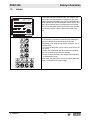
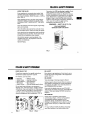
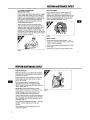
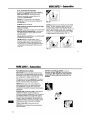
Note: See “Operating Water Level” for the water level necessary for
operation. The discharge end of the hose should be located higher
than the water surface. If the end of the hose is submerged, water may
flow back to the pump when the pump is stopped; and if the hose end
is lower than the water surface, water may overflow when the pump is
turned off.
3.3.2
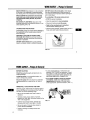
The hose should be run as straight as possible, since excessive
bending will hinder the water flow, preventing sufficient lift, and can
even cause the hose to become clogged with earth. If the hose is
crimped near the pump, air can become trapped in the pump and
cause idle running.
If large quantities of earth are sucked up, damage resulting from
friction in the pump can lead to electrical leakage and shock.
CAUTION
3.4
3.3.3
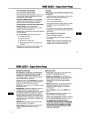
Use the pump in the upright position. To prevent the pump from
becoming submerged in mud, mount it on a block or other firm base if
necessary.
3.3.4
If used in a permanent installation, where the pump is not readily
accessible after installation, please contact Wacker Neuson for a
duplicate nameplate to be installed at the wellhead or on the control
box so that it will be readily visible.
Preparing for Installation
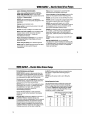
Before installing the pump at a work site, you will need to have the
following tools and instruments ready:
•
Insulation resistance tester (megohmmeter)
•
AC voltmeter
•
AC ammeter (clamp-on type)
•
Bolt and nut tighteners
•
Power supply connection tools (screwdriver or box wrench)
Note: Please also read the instructions that come with each of the test
instruments.
wc_tx001977gb.fm
15