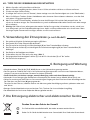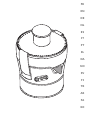
1
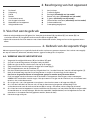
5.
6.
7.
8.
9.
10.
11.
12.
13.
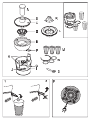
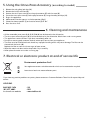
Plug in the appliance.
Start up the juicer by pressing the switch (I).
Select the speed to correspond to the fruit (see table below) using button (J).
Remove the pusher and insert the fruit or vegetables in pieces through the funnel.
You must insert fruit and vegetables with the motor running.
Use the pusher to push the food down but do not force it. Do not use any other utensil. Above all, DO NOT USE
YOUR FINGERS to push the food. The juice will flow into the glass through the spout while the pulp will collect
in the pulp container.
Once your glass is full, stop the appliance and push the spout up into the raised position again (fig 2).
Once the pulp container looks full or the flow of juice slows down, empty the pulp container using the handle of
the brush (O) and clean the filter with the brush, if necessary.
When you have finished using the appliance, you are advised to clean the accessories straight away using the
brush (O) so that food does not dry onto them. Apart from the body of the appliance, you can put all these
accessories in the dishwasher (top basket).
Cleaning – Foods which stain plastics : Over time the strong coloured natural juices from food such as carrots
and beetroot may stain the plastic parts of your appliance - this is normal. These parts may be cleaned by
soaking them in mild bleach (non abrasive) straight after use.
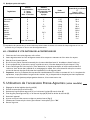
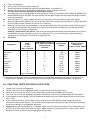
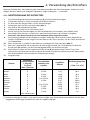
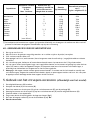
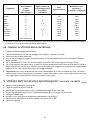
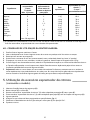
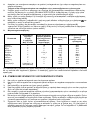
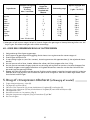
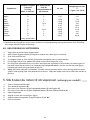
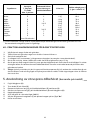
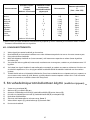
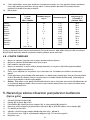
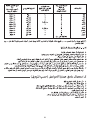
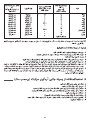
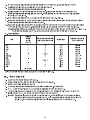
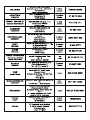
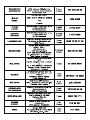
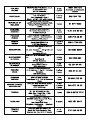
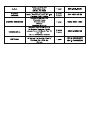
Some hints :
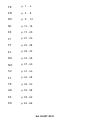
Ingredients
Carrots
Cucumbers
Apples
Pears
Melons
Pineapples
Grapes
Lettuce
Tomatoes
Celery
Ginger
Recommended
Approximate number of
speed :
fruits before you need to
I : low,
empty the pulp
II : fast,
container
Max. 2 minutes
II
10
II
2
II
5
II
5
I
1-2
II
2
I
II
2-3
I
7
II
3
II
2
(max. 30 seconds)
Approximate
weight
Quantity of juice
obtained (*)
(1 glass = about 250ml)
1 kg
1 kg
1,2 kg
1,2 kg
1,5 kg
2 kg
2 kg
0,5 kg
1,5 kg
1,5 kg
80 g
500ml
600ml
700ml
750ml
900ml
1000ml
1200ml
250ml
900ml
900ml
60ml
(*) The quality and quantity of the juice obtained will vary considerably according to the date of harvest and the
variety of each vegetable or fruit. The quantities of juice shown above therefore provide only a rough guide.
4 B - PRACTICAL HINTS ON USING YOUR JUICER
1.
2.
3.
4.
5.
Choose fresh, ripe fruit and vegetables.
Carefully wash the fruit and vegetables before cutting them and removing the stones.
Peel thick-skinned fruit such as citrus fruits (as the peel is bitter) and pineapples (plus the core).
The juicier the fruit (as with tomatoes) the slower the speed you should use (see table above for information).
If you prepare juice from grapes, quinces, blueberries or blackcurrant, you should clean the filter every time you
press 1/2 kg.
6. If you juice over-ripe fruit, you will obtain a fairly thick liquid, the filter will tend to get clogged up and you
should then clean it more regularly. You will also have to empty the pulp container more or less often according
to the quality of the fruit or vegetables processed.
7. Important: all juices should be drunk immediately. When they come into contact with the air, they oxidise very
quickly and this may impair their taste and colour. Apple and pear juice quickly takes on a brown colour. Add a
few drops of lemon to prevent the juice going brown too quickly.
7