1
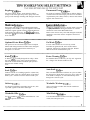
The use of a sufficient amount of detergent is one of the most
important things you can do to make sure your wash comes out clean.
Always follow the detergent manufacturer’s recommenced amount.
Amount required varies
according to:
1. Water hardness
2. Amount of soil
3. Size of load
4. Type of detergent
5. Wash temperature
Use more detergent if
you have...
1. Hard water
2. Large loads
3. Greasy or oily soils
4. Lower wash temperature
5. Low phosphate detergent
If the recommended amount of
detergent produces too many suds,
switch to a lower sudsing detergent
brand, and follow instructions
on package.
Using too little
detergent is a
common cause
—
~
of laundry
problems.
Always
~
measure detergent ~
in a standard measuring cup.
How to use detergent—
granular, powdered or liquid:
For best results, add detergent to
the wash basket before loading
clothes. If you load your clothes
first, add detergent next to the
agitator.
~RD WATER—DO YOU ~VE IT?
Before you can decide what to do about hard
water, you need to know if you have it and, if so,
how hard it is.
● If you live in a municipal area, contact your
water company.
● If you live in a rural area, or in some suburban areas,
contact your county agent.
The answer will be “you have ‘so many grains’ per
gallon (3.8 liters).” This means:
O to 3.5 grains per gallon (3.8 liters)—SO~
3.6 to 7 grains—HARD
7.1 to 10.5 grains—VERY HARD
10.6 grains and over—EXTREMELY HARD
If your water is SOFT, you have no problem. You
can use soap or detergent as you prefer and forget all
about hard water. If you have HARD water—less than
10 grains—and you use phosphate detergent, you also
have no problem.
But, if you have more than 10 grains, you will need
to soften your water with either . . .
1. An installed water softener in your home, or
2. The use of a packaged water softener.
For information on water softeners, see the
manufacturer’s recommendations.
13