1
SELECTION OF APPLICATION PAPER
Once vinyl is die cut and weeded, application paper (also called transfer tape, premask or prespacing tape) is applied
over the remaining film. This application paper serves many purposes. First, it protects the surface of the vinyl from
damage during storage and installation. Secondly, it serves as a stable medium with which to transfer very flexible, easily
distorted vinyl from the liner paper to the substrate.
Application Tape is most popularly made of thin paper tissue for both cost and performance reasons.
•
Paper has some obvious advantages in that it is compatible with many stages of sign fabrication. One can write on it
easily for registration marks and it is more compatible with wet application techniques than film based types due to
the papers ability to absorb and transmit water to the graphic face. This is needed to reduce adhesion between the
vinyl film and application tape, making it easier to strip the application tape away from the applied graphics.
•
Plastic film as transfer tape proves its greatest advantage when registration of multicolor overlays is needed. A
weakness of plastic film is that it doesn’t have water absorption capability so does not work well for wet applications.
In the mid-nineties clear plastic film gained in popularity as cost was reduced, lamination performance improved and
finishing steps in the manufacturing process allowed the plastic to be torn cleanly from the roll rather than requiring a
knife or scissors cut.
Proper lamination of application paper or film is a relatively simple procedure. Although this seems to be a minor step in
the production process, adherence to a few basic rules can help avoid major installation disasters.
1. Take the time to select the right application paper for your shop. This will require some simple comparative
tests. For example, application paper comes with either low, medium or high tack adhesive. Choose a tape
that bonds sufficiently to lift the graphics off the liner paper. After the graphics are applied, the application
paper should remove easily without tearing. In short, select an application paper that is easy to use over a
wide range of films and substrates.
2. Use a single sheet of application tape to cover a vinyl graphic rather than trying to get by with overlapped
pieces of tape. Overlapped application tape results in a line of small bubbles at the overlap during final
installation.
3. Take care in applying application tape to a vinyl graphic. Wrinkles and bubbles caught in the application tape
result in wrinkles and bubbles in the installed vinyl. Also, avoid stretching the application paper, this helps
prevent poor graphic registration and wrinkles and curl.
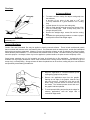
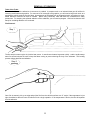
When removing graphics from liner lift away slowly, be sure that the tips and leading edges of the graphic film do not
remain with the liner. If the vinyl has trouble separating from the liner a method for easier removal is to turn the graphic
upside down (so the graphics are face down) and strip the liner away from the graphic on the workbench.
4