1
•
16
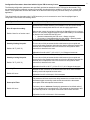
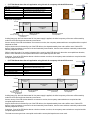
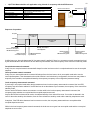
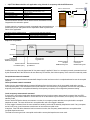
12) VT7300 Networked fan coil application using 2 levels of occupancy with dual PIR sensors
Set-up and Configuration
Thermostat used
PIR used
BI2 Configuration
Stand-by timer value
Unoccupied timer value
Network interface used
VT73x0X5028(BorE) ( commercial models )
BI1 configured for remote PIR sensor and
COV-PIR-FCU-C-5028 accessory cover
None, no function
2.0 hours
0.0 hours
Echelon or BACnet MS-TP
BACnet or Echelon Network
Remote PIR Sensor
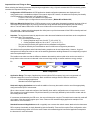
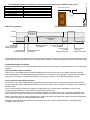
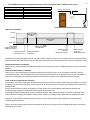
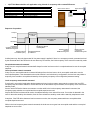
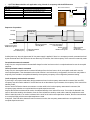
Sequence of operation:
Occupied
Stand-By Time
= 2 Hours
Stand-By
Unoccupied Time
= 0 Hours
Unoccupîed
Time
Initial Network
Command = Unoccupied
PIR Movements Ignored
Network Command
= Local PIR Occupancy
Stand-By Time Elapsed
= Stand-By Mode
First Movement Detected
by a PIR Device
Network Command
= Occupied
PIR Movements Ignored
Network Command
= Unoccupied
PIR Movements Ignored
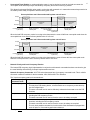
At initial power-up, when the thermostat 24 Vac power supply is applied; if there is no occupancy network command received
by the thermostat and if the PIR device do not detect any movements, the initial occupancy of the zone will be stand-by mode.
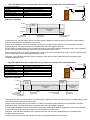
Occupied state network command
At any time, an occupied network command will always force the local zone to be in occupied mode and to use the occupied
setpoints.
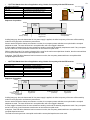
Unoccupied state network command
At any time, an unoccupied network command will always force the local zone to be in unoccupied mode and to use the
unoccupied setpoints. If the thermostat local override function is not locked out by configuration, the local user may initiate a
temporary local override to occupied as dictated by the temporary occupancy time configuration parameter setting.
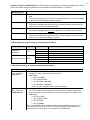
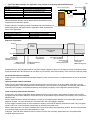
Local occupancy state network command
If previously in unoccupied mode when the thermostat receives a local occupancy state network command, the local PIR
occupancy loop will now be enabled. If the PIR devices do not then detect any movements, the occupancy of the zone will be
stand-by mode.
As soon as the PIR device detects a movement or motion while in the local occupancy state network command, the
occupancy status switches to occupied and the occupied setpoints are used.
Anytime the PIR device detects local motion, the elapsed stand-by timer value will be reset. If no motion is detected in the
zone for the entire stand-by timer duration, then the room switches to stand-by mode and the stand-by setpoints are used.
At anytime, if the PIR device detects a local movement or motion, the occupancy status switches to occupied and the
occupied setpoints are used.
While in the local occupancy state network command, the local zone never goes into unoccupied mode and the unoccupied
setpoints are never used