1
3. Diving with Galileo
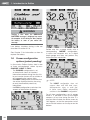
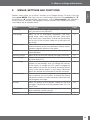
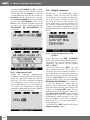
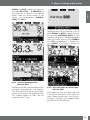
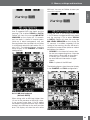
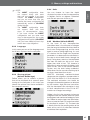
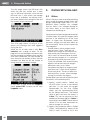
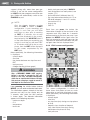
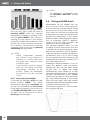
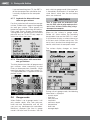
The fifth page shows the MB level with
which the dive was started and, if there
was an MB level reduction, what the final
MB level was. It also shows the average
heart rate (if available), the altitude class,
the lowest battery level during the dive and
the amount of gas consumed.
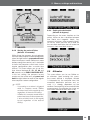
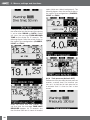
The sixth page shows a listing of all the
alarms and warnings that were triggered
during the dive.
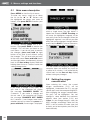
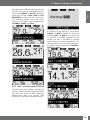
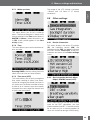
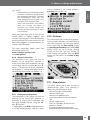
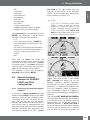
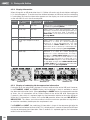
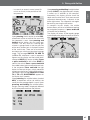
Within the list of dives there is also Dive
statistics with a range of dates. On this
page you can see the longest dive ever made
with the computer, the deepest dive, the total
time spent underwater, the total number of
dives and also the number of hours that the
computer has been on (on the surface or
diving) since the last battery change.
At any point in time inside the Logbook
menu, press EXIT to return to the main
Logbook menu.
42
3.
DIVING WITH GALILEO
3.1
Nitrox
Nitrox is the term used to describe breathing
gases made of oxygen-nitrogen mixes with
oxygen percentage higher than 21% (air).
Because Nitrox contains less nitrogen
than air, there is less nitrogen loading on
the diver’s body at the same depth as
compared to breathing air.
However, the increase in oxygen concentration
in Nitrox implies an increase in oxygen partial
pressure in the breathing mix at the same
depth. At higher than atmospheric partial
pressures, oxygen can have toxic effects on
the human body. These can be lumped into
two categories:
- Sudden effects due to oxygen partial
pressure over 1.4bar. These are not
related to the length of the exposure to
high partial pressure oxygen, and can
vary in terms of the exact level of partial
pressure they happen at. It is commonly
accepted that partial pressures up to
1.4bar are tolerable, and several training
agencies advocate maximum oxygen
partial pressures up to 1.6bar.
- Long exposure effects to oxygen partial
pressures over 0.5bar due to repeated
and/or long dives. These can affect the
central nervous system, cause damage
to lungs or to other vital organs.
Galileo keeps you safe with respect to these
two effects in the following ways:
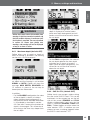
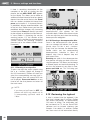
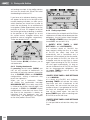
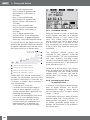
1) Against sudden effects: Galileo has
an MOD alarm set for a user-defined
ppO2max. As you enter the oxygen
concentration for the dive, Galileo
shows you the corresponding MOD
for the defined ppO2max. The default
value of ppO2max from the factory is
1.4bar. This can be adjusted to your
preference between 1.2 and 1.6bar. It
can also be turned OFF. Please refer to
section 2.3.4 for more information on
how to change this setting.
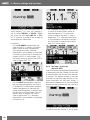
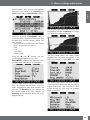
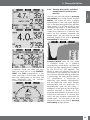
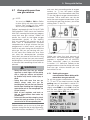
2) Against long exposure effects: Galileo
“tracks” the exposure by means of the
CNS O2 clock. At levels of 100% and