1
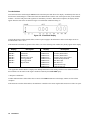
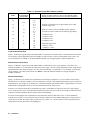
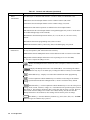
HPSL Command
Description
TRIG:SOUR EXT
TRAN:MODE TOGG
CURR 5
CURR:TLEV 10
TRAN ON
Selects the external trigger input source.
Selects toggled operation.
Sets main current level to 5 amps.
Sets transient current level to 10 amps.
Turns on transient operation.
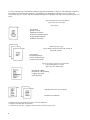
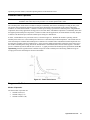
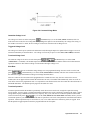
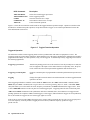
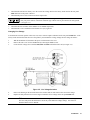
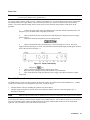
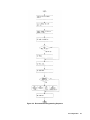
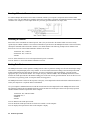
Figure 2-7 shows the waveform that would result for this toggled transient operation example. Operation is similar to that
described for continuous and pulse operation, except that each time a trigger is received the input alternates between the
main and transient current levels.
Figure 2-7. Toggled Transient Operation
Triggered Operation
The Electronic Load has various triggering modes to allow synchronization with other test equipment or events. The
triggering circuits are located in the mainframe, and all modules receive the trigger simultaneously (although each module is
programmed individually as to what operation, if any, will be triggered. As described previously, triggering can be used for
the following applications:
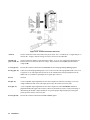
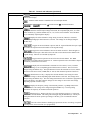
Triggering a preset level
Transfers all pending preset levels to the actual level. For the presently active mode, the
new level appears at the input. For the modes which are not presently active, the preset
levels will not take effect at the input until the applicable mode becomes active.
Triggering a transient pulse
Generates a transient pulse of programmable width when pulsed transient operation is in
effect.
Toggling
Changes the input between the main level and the transient level when toggled transient
operation is in effect.
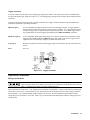
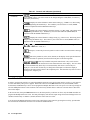
Three triggering methods are available over the GPIB: the GET function, the *TRG common HPSL command, and the
TRIG subsystem HPSL command (refer to Agilent Electronic Loads Programming Reference Guide ). The HPSL TRIG
subsystem allows you to select either the ac line frequency, internal timer, or TRIG command as the trigger source. There
is also a TRIGGER connector on the rear panel for external trigger inputs. Triggering cannot be done via the front panel.
*TRG and the TRIG command are both synchronous with other commands; that is, the modules are not triggered until
pending operations are completed. GET, external triggers, ac-line triggers, and internal-timer triggers are all asynchronous;
that is, the modules are triggered as soon as the trigger signal is received.
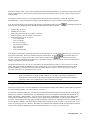
If the ac line is selected via the GPIB as the trigger source, triggers will be generated once for each cycle of ac input power.
An ac line frequency of 60 Hz produces a trigger period of 16.67 ms; 50 Hz line frequency produces a trigger
period of 20 ms.
24
Operation Overview