1
1.
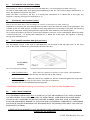
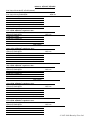
TECHNICAL DATA
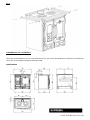
PLEASE REFER TO ATTACHED TECHNICAL DRAWING FOR OTHER DIMENSIONS NOT LISTED HERE
TOTAL POWER OUTPUT
OUTPUT TO WATER
OUTPUT TO AIR / THE ROOM
WOOD CONSUMPTION / HR
( wood with MAX 20% humidity )
MINIMUM FLUE PIPE DIAMETER
(adaptor for spigot reqd. 137mm to 150mm)
BOILER CAPACITY
OVEN SIZE W-D-H
FIREBOX SIZE W-D-H
FLUE DRAW (HOT)
(Tested after one hour)
MUST NOT EXCEED 25 PASCAL.
BOILER FITTINGS (flow and return)
FREE AIR VENT SIZE
TOTAL WEIGHT OF THE APPLIANCE
WIDTH (with hand rail fitted)
DEPTH (with hand rail fitted)
HEIGHT from floor to top of lid (with lid shut)
HEIGHT from floor to top of lid (with lid open)
HEIGHT from floor to cooking surface
TEMPERATURE OF EXHAUST GASSES
SUPREMA
8Kw
N/A
7.5
2.5 kg/h (MAX)
150mm / 6inches
N/A
418x428x436
277 x475x304
1,0-1,2 H2O (water gauge)
10 – 12 PASCAL
0,1 – 0,2 INCHES
N/A
550 mm2 minimum +
550 mm2 per KW over 5
216KG
982mm
SLIGHTLY LESS
924mm
1224mm
854mm
WOOD= 205 0C
1A.
HEATABLE AREA (VOLUME)
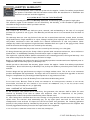
The heating volume of the appliance; according to DIN 18893; will vary depending on the amount of thermal
insulation that the property has. Properties with high ceilings, draughty windows and doors, solid brick walls
and poor insulation, all these are all going to affect the potential maximum heating volume of the appliance. A
proper heat loss calculation is the best way to calculate the heat requirement for a particular property.
When the outside temperature is zero degrees, 1KW will heat a room to approximately 70 degrees f.
Property with:
Well insulated =
25 cubic meters
Average insulation =
15 cubic meters
Poor insulation =
10 cubic meters
2. KEY ENVIRONMENTAL CONSIDERATIONS
To minimize the impact on the environment the following issues need to be considered when proposing to
install a solid fuel appliance:
•
•
•
•
•
•
•
Local authorities (Councils) must be consulted for any restrictions that may apply to the use of solid
fuel appliances in certain areas such as smoke free zones.
The appliance must be correctly sized to suit the space and necessary clearances must be strictly
adhered to.
The appliance and flue system must be correctly installed to the current regulations in force at the
time.
The appliance must be correctly operated.
The appliance and flue system must be properly maintained.
It is also important to ensure that the dwelling to be heated is insulated and is as energy efficient as
is practical.
The correct fuel must be used.
The selection, installation, correct use and maintenance of solid fuel appliances and flue systems are
discussed in more detail in the following sections of these instructions.
© 2007-2008 Broseley Fires Ltd