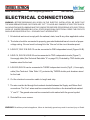
1
PHONE:
800-355-4945
EMAL:
[email protected]
I. FILLING THE SYSTEM
A. System is assembled, it is time to fill it.
WEB:
www.energyproducts.biz
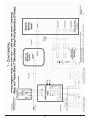
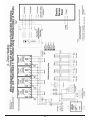
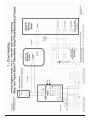
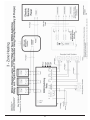
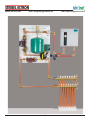
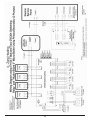
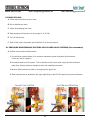
OVERVIEW OF A TYPICAL SYSTEM
B. Fill the system until there are no air bubbles
in it. Air bubbles cause circulator pumps
and element failures.
C. Purge the system one loop at a time. Open
one loop with all of the other loops closed
repeat down the manifold. Purge each loop
untill no air is seen in the discharge/fill tank.
II. SOLUTION
A. The solution should be polypropylene glycol
and city water
NOT: RV anit-freeze - it is for non moving
solutions and breaks down; automotive
antifreeze - it is Toxic; well water - there is a bacteria in well water that in the presence of glycol and heat
can turn into a bio-film, coat elements and plug up the boiler.
B. The mixture should contain more than 20% but less than 50% pure glycol. Increased glycol precentages
increases the head pressure of the system. Proper flows through the system may not be reached as a
result the boiler may not work; too little glycol promotes bacteria growth.
III. ATTACH HOSES
A. Obtain 3 washing machine hoses, one 20 gallon tub for mixing, and a transfer pump 1/2 HP or larger
(not a sump-pump or a submersable pump)
1. Put one of the hoses into the mixing tub attach the other end to the intake of the fill pump.
2. Attach the second hose (red) to the discharge side of the pump and attach the other end to “A” the
bottom gate valve on the lowerflange of the primary circulator. The gate valve “A” should be in the
open position while filling.
3. The ball valve on the lower Webstone flange should be in the Open position at this time. The ball
valve handle “B” should be in line with the tubing.
21