1
ProSAFE Gigabit Quad WAN SSL VPN Firewall SRX5308
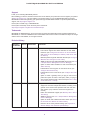
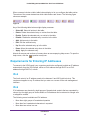
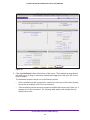
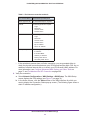
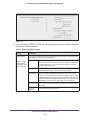
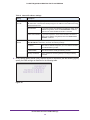
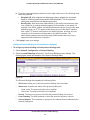
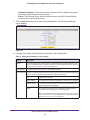
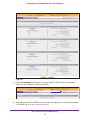
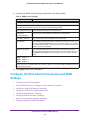
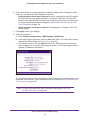
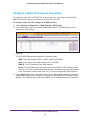
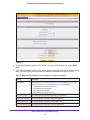
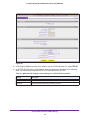
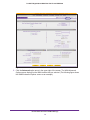
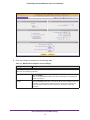
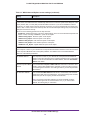
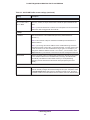
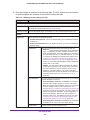
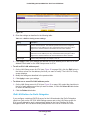
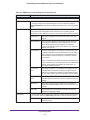
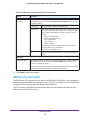
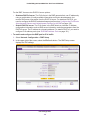
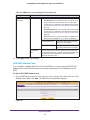
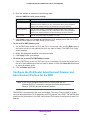
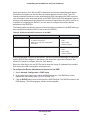
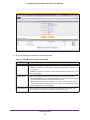
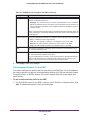
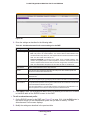
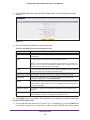
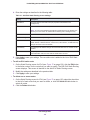
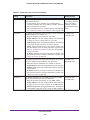
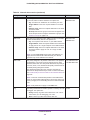
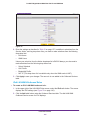
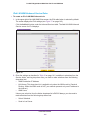
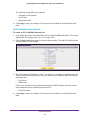
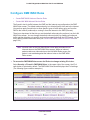
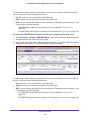
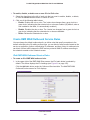
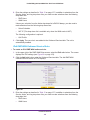
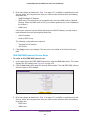
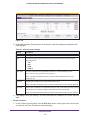
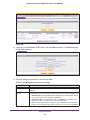
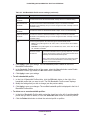
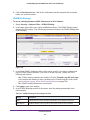
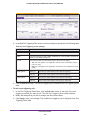
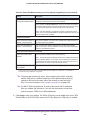
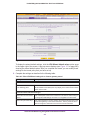
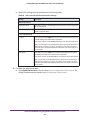
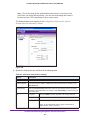
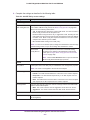
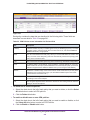
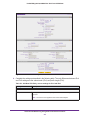
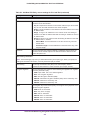
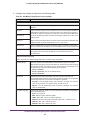
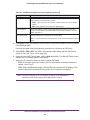
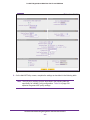
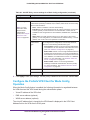
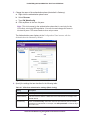
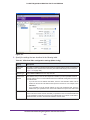
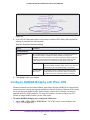
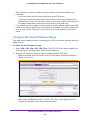
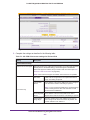
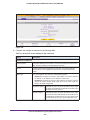
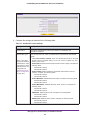
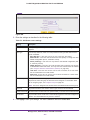
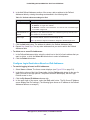
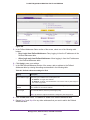
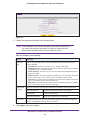
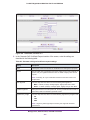
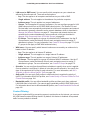
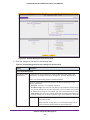
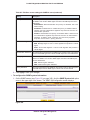
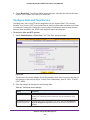
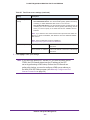
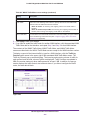
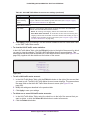
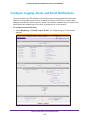
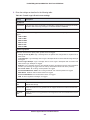
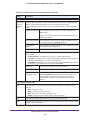
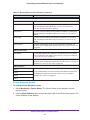
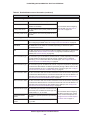
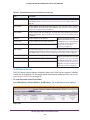
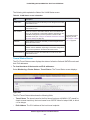
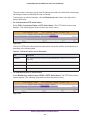
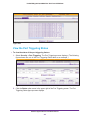
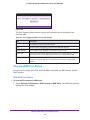
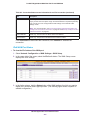
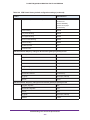
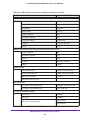
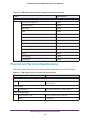
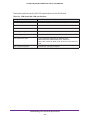
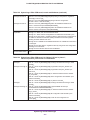
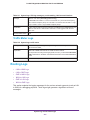
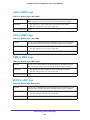
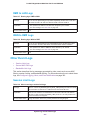
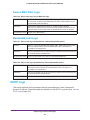
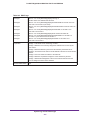
2. Enter the settings as described in the following table:
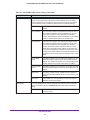
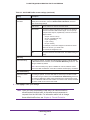
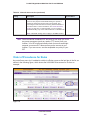
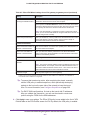
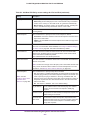
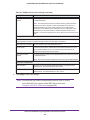
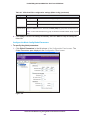
Table 35. Attack Checks screen settings for IPv4
Setting
Description
WAN Security Checks
Respond to Ping on
Internet Ports
Select the Respond to Ping on Internet Ports check box to enable the VPN firewall
to respond to a ping from the Internet to its IPv4 address. A ping can be used as a
diagnostic tool. Keep this check box cleared unless you have a specific reason to
enable the VPN firewall to respond to a ping from the Internet.
Enable Stealth Mode Select the Enable Stealth Mode check box (which is the default setting) to prevent
the VPN firewall from responding to port scans from the WAN, thus making it less
susceptible to discovery and attacks.
Block TCP flood
Select the Block TCP flood check box (which is the default setting) to enable the
VPN firewall to drop all invalid TCP packets and to protect the VPN firewall from a
SYN flood attack.
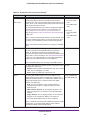
A SYN flood is a form of denial of service attack in which an attacker sends a
succession of SYN (synchronize) requests to a target system. When the system
responds, the attacker does not complete the connections, thus leaving the
connection half open and flooding the server with SYN messages. No legitimate
connections can then be made.
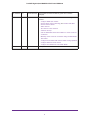
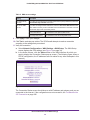
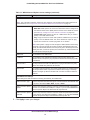
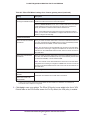
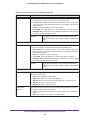
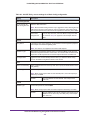
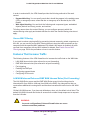
LAN Security Checks
Block UDP flood
Select the Block UDP flood check box (which is the default setting) to prevent the
VPN firewall from accepting more than a specified number of simultaneous, active
User Datagram Protocol (UDP) connections from a single device on the LAN.
In the field, enter the number of connections per second that define a UDP flood. You
can enter a number from 1 to 40. The default value is 40. The VPN firewall drops
UDP packets that exceed the specified number of connections per second.
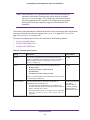
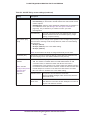
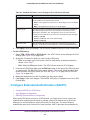
A UDP flood is a form of denial of service attack that can be initiated when one
device sends many UDP packets to random ports on a remote host. As a result, the
distant host does the following:
1. Checks for the application listening at that port.
2. Sees that no application is listening at that port.
3. Replies with an ICMP Destination Unreachable packet.
When the victimized system is flooded, it is forced to send many ICMP packets,
eventually making it unreachable by other clients. The attacker might also spoof the
IP address of the UDP packets, ensuring that the excessive ICMP return packets do
not reach the attacker, thus making the attacker’s network location anonymous.
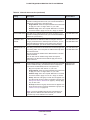
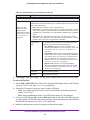
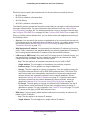
Disable Ping Reply
on LAN Ports
Select the Disable Ping Reply on LAN Ports check box to prevent the VPN firewall
from responding to a ping on a LAN port. A ping can be used as a diagnostic tool.
Keep this check box cleared unless you have a specific reason to prevent the VPN
firewall from responding to a ping on a LAN port.
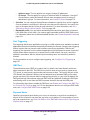
Firewall Protection
171