1
The Problem Solver
Built - In Refrigerators
Questions?
Use this
problem
solver!
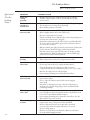
PROBLEM
Refrigerator does
not operate
POSSIBLE CAUSE
• May be in defrost cycle when motor does not operate for about
30 minutes.
• Freezer control is in the OFF position.
• If the interior light is not on, the refrigerator may not be plugged
in at the wall outlet.
• If the plugs are secure and the refrigerator still fails to operate,
plug a lamp into the same outlet to determine if there is a tripped
circuit breaker or burned-out fuse.
Motor operates for
long periods
• Modern refrigerators with more storage space and a larger
freezer compartment require more operating time.
• Normal when refrigerator is first delivered to your home—usually
requires 24 hours to completely cool down.
• Large amounts of food placed in refrigerator to be cooled
or frozen.
•
•
•
•
Hot weather—frequent door openings.
Door left open.
Temperature controls are set too cold.
Condenser needs cleaning.
Motor starts and stops
frequently
• Temperature control starts and stops motor to maintain
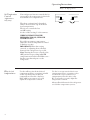
Vibration or rattling
• If refrigerator vibrates, more than likely it is not resting solidly
even temperatures.
on the floor. The front leveling legs need adjusting, or floor is
weak or uneven. Adjust leveling legs or call your installer.
• If dishes vibrate on shelves, try moving them.
Slight vibration is normal.
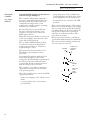
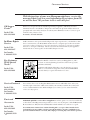
Operating sounds
• The high speed compressor motor required to maintain near zero
temperatures in the large freezer compartment may produce
higher sound levels than your old refrigerator.
• Normal fan air flow—one fan blows cold air through the
refrigerator and freezer compartments—another fan cools
the compressor motor.
These NORMAL sounds will also be heard from time to time:
•
•
•
•
•
Defrost timer switch clicks at defrost.
Defrost water dripping.
Temperature control clicks ON or OFF.
Refrigerant boiling or gurgling.
Cracking or popping of cooling coils caused by expansion
and contraction during defrost and refrigeration
following defrost.
• Ice cubes dropping into the bin and water running in
pipes as icemaker refills.
Foods dry out
• Foods not covered, wrapped or sealed properly.
Fresh food
or freezer
compartment
too warm
• Temperature control not set cold enough.
• Warm weather—frequent door openings.
• Door left open for too long a time.
• Package may be holding door open.
21