1
Chapter 3. Example Topologies
13
need to establish synchronization between the RHN Proxy Servers as they use the up2date
functionality inherent with the product.
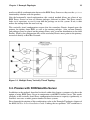
Like the horizontally tiered configuration, this vertical method allows any client of any
RHN Proxy Servers to have all custom packages delivered to them. The Proxy merely
looks in its repository to see if it can find the package on its file system. If not, it then
makes the attempt from the next level up.
This vertically tiered configuration ensures that the secondary Proxies depend upon the
primary for updates from RHN, as well as for custom packages. Also, custom channels
and packages must be placed on the primary Proxy only, to ensure distribution to the child
Proxies. Finally, the configuration files of the secondary Proxies must point to the primary,
instead of directly at Red Hat Network.
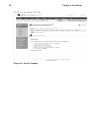
Figure 3-3. Multiple Proxy Vertically Tiered Topology
3.4. Proxies with RHN Satellite Server
In addition to the methods described in detail within this chapter, customers also have the
option of using RHN Proxy Server in conjunction with RHN Satellite Server. This works
similarly to the vertically tiered Proxy configuration but increases capacity significantly, as
Satellites can serve a much greater number of client systems.
For a thorough description of this combination, refer to the Example Topologies chapter of
the RHN Satellite Server Installation Guide. Linking the two products’ SSL certificates is