1
I N S T R U C T I O N S
Mechanical Watch
M-6
この度は弊社製品をお買い上げいただき、
誠にありがとうございました。
ご使用の前にこの説明書をよくお読みの上、
正しくご愛用くださいますよう、お願い申し上げます。
なお、この説明書はお手元に保管し、必要に応じてご覧ください。
※ 金属バンドの調整は、お買い上げ店にご依頼ください。
ご贈答、ご転居などにより、お買い上げ店での調整が受けられない場合は、
弊社お客様相談窓口へご依頼ください。お買い上げ店以外では有料もしくは
お取扱いいただけない場合があります。
目 次
1
この製品について
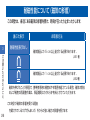
月末の日付修正について ……………… 20
1. この製品について
製品取扱上のご注意………………………
4
3. ご注意いただきたいこと
メカニカルウオッチの特長………………
8
お手入れについて
各部の名称…………………………………
9
性能と型式について
……………………… 22
…………………… 23
りゅうずについて………………………… 11
防水性能について ……………………… 24
ぜんまいの巻きかた
耐磁性能について(磁気の影響)……… 26
…………………… 12
パワーリザーブ表示の見かた
………… 14
2. 時刻・曜日・日付の合わせかた
バンドについて
………………………… 28
皮革バンド用三つ折れ式
中留(なかどめ)の使いかた ………… 30
時刻 ・ 曜日 ・ 日付の合わせかた ……… 16
ルミブライトについて ………………… 35
時刻の合わせかた
…………………… 17
アフターサービスについて …………… 36
曜日・日付の合わせかた
2
…………… 18
1
4. 困ったときは
こんなときは
…………………………… 38
2
5. 製品仕様
メカニカルウオッチの精度について…… 40
製品仕様
3
………………………………… 42
4
5
3
1
製品取扱上のご注意
この製品について
警告
取り扱いを誤った場合に、重症を負うなどの重大な結果になる危険性が想定されることを示します。
・次のような場合、ご使用を中止してください
○時計本体やバンドが腐食などにより鋭利になった場合
○バンドのピンが飛び出してきた場合
※ すぐに、お買い上げ店・弊社お客様相談窓口にご連絡ください。
・乳幼児の手の届くところに、時計本体や部品を置かないでください
部品を乳幼児が飲み込んでしまうおそれがあります。
万が一飲み込んだ場合は、身体に害があるため、ただちに医師にご相談ください。
4
取り扱いを誤った場合に、軽症を負う危険性や物質的損害をこうむることが想定されることを示します。
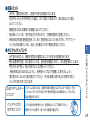
・以下の場所での携帯・保管は避けてください
○揮発性の薬品が発散しているところ(除光液などの化粧品、防虫剤、シンナーなど)
○ 5℃∼ 35℃から外れる温度に長期間なるところ
○高湿度なところ
○磁気や静電気の影響があるところ
○ホコリの多いところ
○強い振動のあるところ
1
この製品について
注意
・アレルギーやかぶれを起こした場合
ただちに時計の使用をやめ、皮膚科など専門医にご相談ください。
・その他のご注意
○金属バンドの調整はご自身でやらないでください。
手や指などをケガする可能性があるほか、部品を紛失する可能性があります。
○商品の分解・改造はしないでください。
○乳幼児に時計が触れないようにご注意ください。
ケガやアレルギーをひき起こすおそれがあります。
5
1
警告
この製品について
この時計はスキューバダイビングや飽和潜水には
絶対に使用しないでください
BAR(気圧)表示防水時計はスキューバダイビングや飽和潜水用
の時計に必要とされる苛酷な環境を想定した様々な厳しい検査を
行っていません。専用のダイバーズウオッチをご使用ください。
注意
水分のついたまま、りゅうずやボタンを
操作しないでください
時計内部に水分が入ることがあります。
※ 万が一、ガラス内面にくもりや水滴が発生し、長時間消えない場合は防水不良です。
お早めに、お買い上げ店・弊社お客様相談窓口にご相談ください。
6
注意
防水時計でもガラスの接着面・パッキンの劣化やステンレスが
さびることにより、防水不良になるおそれがあります。
この製品について
水や汗、汚れが付着したままにしておくのは
避けてください
1
入浴やサウナの際はご使用を避けてください
蒸気や石けん、温泉の成分などが防水性能の劣化を早める
ことがあります。
直接蛇口から水をかけることは避けてください
水道水は非常に水圧が高く、日常生活用強化防水の
時計でも防水不良になるおそれがあります。
7
1
メカニカルウオッチの特長(手巻、自動巻)
この製品について
・この時計は「ぜんまい」を動力に使用した、メカニカルウオッチです。
・止まった状態からご使用になるときは、りゅうずを 20 回位手で巻いてぜんまいを巻き上
げてから始動させてください。
・精度はクオーツウオッチが月差・年差であるのに対し、メカニカルウオッチは日差(一日
あたりの進み・遅れ)となります。
・さらに、ご使用になる条件(携帯時間、温度、腕の動き、巻き上げ量等)によって微妙
に影響を受けますので、誤差は一定ではありません。
・外部から強い磁気の影響を受けますと、一時的に精度がズレることがあります。
影響の度合いによっては、部品が磁化してしまうことがあります。その場合は、磁気抜
き等の修理が必要となりますので、お買い上げ店にご依頼ください。
8
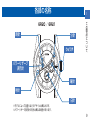
各部の名称
1
時針
分針
りゅうず
この製品について
6R20 ╱ 6R21
パワーリザーブ
表示針
曜針
秒針
日針
※モデルによって目盛りなどのデザインは異なります。
※パワーリザーブ表示針の向きは異なる場合があります。
9
1
この製品について
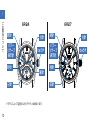
6R24
時針
パワー
リザーブ
表示針
6R27
分針
りゅうず
秒針
時針
パワー
リザーブ
表示針
秒針
曜針
日針
※モデルによって目盛りなどのデザインは異なります。
10
日針
分針
りゅうず
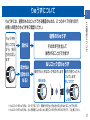
りゅうずについて
1
りゅうずを
押しつけな
がら、矢印
方向に回し
ます
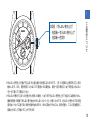
通常のりゅうず
回せる
回せない
(回せなく
なる)
そのまま引き出して
操作することができます
この製品について
りゅうずには、通常のものとロックできる構造のものの、2 つのタイプがあります。
お使いの時計のりゅうずをご確認ください。
ねじロック式りゅうず
操作するときはロックをはずします 操作が終わったら
ロックします
ゆるめる
押しつけて
しめる
※ ねじロック式りゅうずは、ロックすることで、誤動作の防止と防水性の向上をはかることができます。
※ ねじロック式りゅうずは、ねじを無理にしめるとねじ部をこわすおそれがありますので、ご注意ください。
11
1
ぜんまいの巻きかた
この製品について
1 この時計は、自動巻式機械時計(手巻つき)です。
2 ぜんまいは時計を腕につけた状態では通常の腕の動きで自然に巻くことができ
ます。 またりゅうずを回してもぜんまいを巻くこともできます。
3 ぜんまいの巻き上げ状態がわかるパワーリザーブ表示つきです。
4 止まっている時計をお使いになるときは、時計を振っても動き出しますが、りゅ
うずを回しぜんまいが十分に巻かれた状態にしまして、日付と曜日と時刻とを
合わせてから腕にお付けください。ぜんまいを巻く際には、りゅうず 0 段位置
で右回転方向に(12 時方向)にゆっくりと回してください。なお、りゅうずは
左方向(6 時方向)では空回りするようになっています。また、ぜんまいはフル
巻き上げ状態でぜんまいがスリップするようになっており、ぜんまいを切る心
配はありません。
5 パワーリザーブ表示針がフル巻き上げ表示になるまでぜんまいを巻いてくださ
い。ぜんまいが十分に巻き上げられた状態での可動時間は約 45 時間です。
※ぜんまいの巻き上がり量についてはP .14「パワーリザーブ表示の見かた」をご参照ください。
12
1
この製品について
0段目(ぜんまい巻き上げ)
・右回転→ぜんまい巻き上げ
・左回転→空回り
※ぜんまいの巻き上げ量が不足しますと進み遅れの原因になりますので、1 日 10 時間以上携帯することをお
勧めします。また、時計を腕につけないでご使用される場合は、毎日一定の時刻にりゅうずを回しぜんまい
を十分に巻いてご使用ください。
※ぜんまいが解けて止まった状態からお使いの場合、りゅうずでぜんまいを巻き上げても直ぐには動きません。
機械式時計の特徴でぜんまい巻き始めのぜんまいトルク(力)が弱いためです。ぜんまいが巻かれてある程
度の強いトルクに達すると秒針が動き始めますが、早めに動かすためには、時計を振り、てんぷを強制的に
回転させることで動かすことができます。
13
パワーリザーブ表示の見かた
1
この製品について
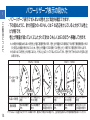
・パワーリザーブ表示でぜんまいの巻き上げ具合を確認できます。
・下の図のように、針が目盛りの 40 もしくは F の近辺をさしているときがフル巻上
げ状態です。
巻上げ残量が減っていくにしたがって針は 0 もしくは E のほうへ移動してきます。
※メカ時計の精度はぜんまいの巻き上げ量に影響を受けます。巻き上げ残量が 20 時間以下の状態で長時間使用されま
すと安定した精度が得られにくいため、巻き上げ残量が「20 時間∼フル巻き上げ」の間でのご使用をおすすめします。
※ぜんまいはフル巻き上げ状態になると、それ以上はスリップするようになっており、巻きすぎてもぜんまいを切る心配
はありません。
6R20╱6R24
6R21/6R27
パワーリザーブ針
の表示
安定精度領域
ぜんまいの状態
持続時間
14
フル巻き上げの
状態
約45時間動き
ます。
半分程度巻き上
がった状態
約20時間動き
ます。
安定精度領域
巻き上げ無しの
状態
時計は止まっているか、
止まる直前の状態です。
フル巻き上げの
状態
約45時間動き
ます。
半分程度巻き上
がった状態
約20時間動き
ます。
巻き上げ無しの
状態
時計は止まっているか、
止まる直前の状態です。
※モデルによって目盛りなどのデザインは異なります。数字などの表示がない場合でも、上記の図を目安におよその持続時間を読み取ってください。
15
時刻 ・ 曜日 ・ 日付の合わせかた
この時計には、
「日付と曜日表示機能」がついています。
※ 6R27 の場合は「日付表示機能」のみとなります。
2
時刻
曜
・日 日
・ 付の合わせかた
16
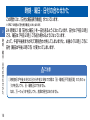
24 時間に 1 回「日付と曜日」を一日分送るようになっています。日付は「午前 0 時」
ごろ、曜日は「午前 2 時」ごろ送り終わるようになっています。
よって、午前午後をまちがえて時刻合わせをしてしまいますと、お昼の「12 時」ごろに
日付(曜日は午後 2 時ごろ)が変わってしまいます。
ご注意
○時刻表示が午後 9 時 30 分から午前 2 時までの間は「日・曜修正不可能区間」のためりゅ
うずを回しても、日・曜修正はできません。
なお、万一りゅうずを回しても、故障の発生はありません。
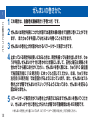
■時刻の合わせ方
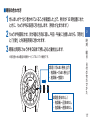
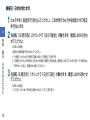
1 ぜんまいが十分に巻かれていることを確認した上で、秒針が 12 時位置にきた
ときに、りゅうずを2段目に引き出します。
(秒針が止まります。
)
と「分針」とを現在時刻に合わせます。
※時刻合わせは電話の時報サービス TEL117 が便利です。
0段目(ぜんまい巻き上げ)
・右回転→ぜんまい巻き上げ
・左回転→空回り
曜
・日 日
・ 付の合わせかた
3 時報と同時にりゅうずを0段まで押し込むと動き出します。
2
時刻
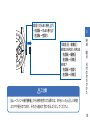
2 りゅうずを回転させ、針が進む方向に回し、午前・午後に注意しながら、「時針」
2段目(針まわし)
・右回転→正針まわし
・左回転→逆針まわし
17
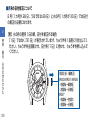
■曜日 ・ 日付の合わせ方
1 りゅうずを 1 段目まで引き出してください。この状態でりゅうずを回転させて修正
を行ないます。
2
時刻 曜
・日
日
・ 付の合わせかた
18
2 右回転(12 時方向)2クリックで 1日分「曜針」が動きます。確認しながら合わ
せてください。
〈6R24 の場合〉
※曜日の中間位置で合わせないでください。
※「土曜日」からりゅうずを更に回転させると「日曜日」に飛びます。
※「土曜日」からりゅうず早回しで合わせた場合、
「日曜日」を通り越し
「月曜日」に飛ぶことがあります。その際はりゅ
うずをゆっくり回し、再度合わせ直してください。
3 左回転(6 時方向)1クリックで 1日分「日針」が動きます。確認しながら合わせ
てください。
〈6R24 の場合〉
※「31日」からりゅうずを更に回転させると「1日」に飛びます。
0段目(ぜんまい巻き上げ)
・右回転→ぜんまい巻き上げ
・左回転→空回り
2
日
・ 付の合わせかた
ご注意
時刻 曜
・日
1段目(日・曜修正)
6R20/6R21/6R24
・右回転→曜修正
・左回転→日修正
6R27
・右回転→空回り
・左回転→日修正
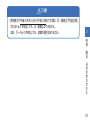
○当ムーブメント輪列機構上から時刻を合わせる際には、針をいったん正しい時刻
よりやや遅らせておき、それから進めて合わせるようにしてください。
19
■月末の日付修正について
2 月(1 カ月が 28 日、うるう年は 29 日)と小の月(1 カ月が 30 日)では日付
の修正が必要になります。
2
時刻 曜
・日
日
・ 付の合わせかた
20
【例】小の月の翌月 1 日の朝、日付を修正する場合
「1 日」ではなく「31 日」が表示されています。りゅうずを 1 段目に引き出してく
ださい。りゅうずを左回転させ、日付を「1 日」に合わせ、りゅうずを押し込んで
ください。
1段目(日・曜修正)
6R20/6R21/6R24
・右回転→曜修正
・左回転→日修正
6R27
・右回転→空回り
・左回転→日修正
ご注意
2
時刻 曜
・日
○時刻表示が午後 9 時 30 分から午前 2 時までの間は「日・曜修正不可能区間」
のためりゅうずを回しても、日・曜修正はできません。
なお、万一りゅうずを回しても、故障の発生はありません。
日
・ 付の合わせかた
21
お手入れについて
●日ごろからこまめにお手入れしてください
・ りゅうずを引き出して洗わないでください。
・ 水分や汗、汚れはこまめに柔らかい布でふき取るように心がけてください。
ご注意いただきたいこと
3
22
・ 海水につけた後は、必ず真水でよく洗ってからふき取ってください。
その際、直接蛇口から水をかけることは避け、容器に水をためるなどしてから
洗ってください。
※「非防水」
、
「日常生活用防水」の場合は、おやめください。
→ 性能と型式について P.23 防水性能について P.24
●りゅうずは時々回してください
・ りゅうずのさび付きを防止するために、時々りゅうずを回してください。
・ ねじロック式りゅうずの場合も同様です。 → りゅうずについて P.11
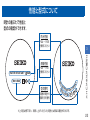
性能と型式について
時計の裏ぶたで性能と
型式の確認ができます。
防水性能
P.24 ∼ P.25
を参照ください
耐磁性能
R2 AG
AT
W
7N01-0B40
型式番号
お客様の時計の
種類を示す番号
R
WATER RESISTANT 10BAR
P.26 ∼ P.27
を参照ください
A
ER R
0B
7N
ES I STANT 1
01 A
0B4 0 R2 G
ご注意いただきたいこと
3
※上の図は例であり、お買い上げいただいた時計とは異なる場合があります。
23
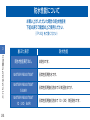
防水性能について
お買い上げいただいた時計の防水性能を
下記の表でご確認の上ご使用ください。
(「P.23」をご覧ください)
ご注意いただきたいこと
3
24
裏ぶた表示
防水性能表示なし
防水性能
非防水です。
WATER RESISTANT
日常生活用防水です。 WATER RESISTANT
5 BAR
日常生活用強化防水で 5 気圧防水です。
WATER RESISTANT
10(20)BAR
日常生活用強化防水で 10(20)気圧防水です。
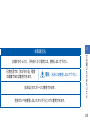
水滴がかかったり、汗を多くかく場合には、使用しないで下さい。
日常生活での「水がかかる」程度
の環境であれば使用できます。
警告 水泳には使用しないで下さい。
水泳などのスポーツに使用できます。
3
ご注意いただきたいこと
お取扱方法
空気ボンベを使用しないスキンダイビングに使用できます。
25
耐磁性能について(磁気の影響)
この時計は、身近にある磁気の影響を受け、時刻が狂ったり止まったりします。
裏ぶた表示
ご注意いただきたいこと
3
お取扱方法
耐磁性能表示なし
磁気製品より 5 cm以上遠ざける必要があります。
(JIS1 種)
磁気製品より 1 cm以上遠ざける必要があります。
(JIS2 種)
磁気を帯びたことが原因で、携帯使用時の精度めやす範囲を超えている場合、磁気の除去
および精度の再調整作業は、保証期間にかかわらず有料とさせていただきます。
この時計が磁気の影響を受ける理由
内蔵されているひげぜんまいが、外からの強い磁力の影響を受けます。
26
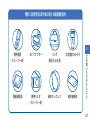
時計に影響を及ぼす身の周りの磁気製品例
AC アダプター
バッグ
(磁石の止め金)
交流電気かみそり
電磁調理器
携帯ラジオ
(スピーカー部)
磁気ネックレス
磁気健康枕
ご注意いただきたいこと
3
携帯電話
(スピーカー部)
27
バンドについて
バンドは直接肌に触れ、汗やほこりで汚れます。そのため、お手入れが悪いと
バンドが早く傷んだり、肌のかぶれ・そで口の汚れなどの原因になります。
長くお使いになるためには、こまめなお手入れが必要です。
●金属バンド
ご注意いただきたいこと
3
28
・
・
・
・
ステンレスバンドも水や汗・汚れをそのままにしておくと、さびやすくなります。
手入れが悪いと、かぶれやワイシャツのそで口が黄色や金色に汚れる原因になります。
水や汗・汚れは、早めに柔らかな布でふき取ってください。
バンドのすき間の汚れは、水で洗い、柔らかな歯ブラシなどで取り除いてください。
(時計本体は水にぬれないように、台所用ラップなどで保護しておきましょう。
)
残った水分は柔らかな布でふき取ってください。
・ チタンバンドでも、ピン類には強度に優れたステンレスが使用されているものがあり、
ステンレスからさびが発生することがあります。
・ さびが進行すると、ピンの飛び出しや抜けが発生し、時計を脱落させてしまうことが
あります。また、逆に中留が外れなくなることがあります。
・ 万が一、ピンが飛び出している場合は、怪我をするおそれがありますので、ただちに
使用をやめて修理をご依頼ください。
●皮革バンド
・
・
・
・
・
水や汗、直射日光に弱く、色落ちや劣化の原因になります。
水がかかったときや汗をかいた後は、すぐに乾いた布などで、吸い取るように軽く
ふいてください。
直接日光にあたる場所には放置しないでください。
色の薄いバンドは、汚れが目立ちやすいので、ご使用の際はご注意ください。
時計本体が日常生活用強化防水 10(20)気圧防水になっているものでも、アクアフリー
バンド以外の皮革バンドは、水泳・水仕事などでのご使用はお控えください。
・ 光で色があせたり、溶剤や空気中の湿気などにより劣化する性質があります。
・ 特に半透明や白色・淡い色のバンドは、他の色を吸着しやすく、また変色をおこします。
・ 汚れたら水で洗い、乾いた布でよくふき取ってください。
(時計本体は水にぬれないように、台所用ラップなどで保護しておきましょう。
)
・ 弾力性がなくなったら取り換えてください。そのまま使い続けるとひび割れが生じ
バンドが切れやすくなります。
かぶれやアレルギー
について
バンドサイズの
めやすについて
バンドによるかぶれは、金属や皮革が原因となるアレルギー反応や、汚れ、
もしくはバンドとのすれなどの不快感が原因となる場合など、いろいろな
発生原因があります。
3
ご注意いただきたいこと
●ポリウレタンバンド
バンドは多少余裕をもたせ、通気性をよくしてご使用ください。
時計をつけた状態で、指一本入る程度が適当です。
29
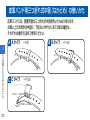
皮革バンド用三つ折れ式中留(なかどめ)の使いかた
皮革バンドには、調整可能な三つ折れ式中留を用いたものがあります。
お買い上げの時計の中留が、下記のいずれかにあてはまる場合は、
それぞれの操作方法をご参照ください。
A
A タイプ → P.31
C
C タイプ → P.34
ご注意いただきたいこと
3
30
B
B タイプ → P.32
A
A タイプの使いかた
1
バンドを定革、遊革から抜いて、
中留を開きます。
2
上箱の底板を下に開きます。
上箱(うわばこ)
底板(そこいた)
定革(ていかく)
遊革(ゆうかく)
3
ピンをアジャスト穴から外します。
バンドを左右にスライドさせ、適切な
長さのところで、ピンをアジャスト穴に
もう一度入れます。
ピン
4
底板を閉めます。
※ 底板を押しこみ過ぎないようにしてください。
アジャスト穴
ご注意いただきたいこと
3
※ 中留を装着するときはバンド剣先(先端)を
定・遊革に入れてから、中留をしっかり留めてください。
31
B
ご注意いただきたいこと
3
32
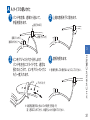
B タイプの使いかた
・着脱のしかた
1
プッシュボタンを両側から押しながら
バンドを定革・遊革から抜いて、中留を
開きます。
2
上箱(うわばこ)
定革(ていかく)
遊革(ゆうかく)
プッシュボタン
底板(そこいた)
バンドの剣先(先端)を定革・遊革に
入れてから上箱を上から、しっかり
押さえて留めます。
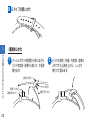
・バンドの長さを調節するには
1
プッシュボタンを両側から押しながら
バンドを定革・遊革から抜いて、中留を
開きます。 上箱(うわばこ)
2
もう一度プッシュボタンを押し、底板を
下に開きます。
プッシュボタン
定革(ていかく)
遊革(ゆうかく)
底板(そこいた)
3
ピンをアジャスト穴から外します。バンドを
左右にスライドさせ、適切な長さのところ
で、ピンをアジャスト穴に入れます。
ピン
アジャスト穴
4
底板を閉めます。
ご注意いただきたいこと
3
33
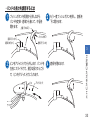
C
ご注意いただきたいこと
3
1
C タイプの使いかた
プッシュボタンを両側から押しながら
中留を開きます。
2
ピンをアジャスト穴から外します。
バンドを左右にスライドさせ、適切な
長さのところで、ピンをアジャスト穴に
入れます。上箱を押して、中留を留めます。
プッシュボタン
上箱(うわばこ)
アジャスト穴
ピン
34
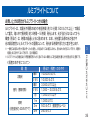
ルミブライトについて
お買い上げの時計がルミブライトつきの場合
ルミブライトは、太陽光や照明のあかりを短時間(約 10 分間:500 ルクス以上)で吸収
して蓄え、暗い中で長時間(約 3 時間∼ 5 時間)発光します。光が当たらなくなってから
輝度(明るさ)は、時間の経過とともに弱まります。なお、光を蓄える際の光の強さや
光の吸収度合いとルミブライトの面積によって、発光する時間や見え方に差が生じます。
<照度のめやすについて>
環 境
晴れ
くもり
晴れ
屋内(昼間窓際)
くもり
雨
1m
照明
3m
(白色蛍光灯 40W の下で)
4m
太陽光
明るさ(照度)のめやす
100,000 ルクス
10,000 ルクス
3,000 ルクス以上
1,000 ∼ 3,000 ルクス
1,000 ルクス以下
1,000 ルクス
500 ルクス(通常室内レベル)
250 ルクス
3
ご注意いただきたいこと
※ 一般的には明るい所から暗い所へ入った場合、人の目はすぐには順応しません。初めはものが見にくいですが、時間の
経過と共に見やすくなってきます。(目の暗順応)
※ ルミブライトは、
放射能などの有害物質をまったく含んでいない環境・人に安全な蓄光
(蓄えた光を放出する)塗料です。
35
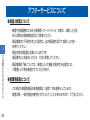
アフターサービスについて
●保証と修理について
・ 修理や点検調整のための分解掃除(オーバーホール)の際は、お買い上げ店、
または弊社お客様相談窓口にご依頼ください。
ご注意いただきたいこと
3
36
・ 保証期間内に不具合が生じた場合は、必ず保証書を添えてお買い上げ店へ
お持ちください。
・ 保証内容は保証書に記載したとおりです。
保証書をよくお読みいただき、大切に保管してください。
・ 保証期間終了後については、修理によって機能が維持できる場合には、
ご要望により有料修理させていただきます。
●修理用部品について
・ この時計の修理用部品の保有期間は、通常 7 年を基準としています。
・ 修理の際、一部代替品を使用させていただくことがありますので、ご了承ください。
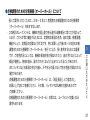
●点検調整のための分解掃除(オーバーホール)について
点検調整のための分解掃除(オーバーホール)は、
「純正部品」とご指定の上、
お買い上げ店にご依頼ください。その際、パッキンやばね棒の交換もあわせて
ご依頼ください。
・点検調整のための分解掃除(オーバーホール)の際には、ムーブメント交換となる
場合もあります。
3
ご注意いただきたいこと
・長くご愛用いただくために、2 年∼ 3 年に 1 度程度の点検調整のための分解掃除
(オーバーホール)をおすすめします。
・この時計のムーブメントは、機構の性質上動力を伝達する歯車部分に常に力が加わって
います。これらが常に機能するためには、定期的な部品の洗浄、油の交換、精度調整、
機能チェック、消耗品の交換などが大切です。特にお買い上げ後2年∼3年目の点検
調整のための分解掃除(オーバーホール)を行うことが、長く使用するためには重要
です。ご使用状況によっては、機械の保油状態が損なわれたり、油の汚れなどによって
部品が磨耗し、時刻の進み、遅れが大きくなったり止まりにいたることがあります。
またパッキンなどの部品の劣化が進み、汗や水分の浸入などで防水性能が損なわれる
場合があります。
37
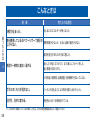
困ったときは
4
こんなときは
現 象
時計が止まった。
考えられる原因
ぜんまいのエネルギーが無くなった。
毎日使用しているがパワーリザーブ表示が
携帯時間が少ないか、あるいは腕の動きが少ない
上がらない。
磁気を発生するもののそばに置いた。
時計が一時的に進む / 遅れる
落としたり強くぶつけたり、また激しいスポーツをした。
強い振動が加えられた。
3 年を超え長時間、点検調整、分解掃除を行なっていない。
ガラスのくもりが消えない。
パッキンの劣化などにより時計内部に水分が入った。
日付が、日中に変わる。
時刻合わせが 12 時間ずれている。
※ このほかの現象についてはお買い上げ店、またはお客様相談窓口にご相談ください。
38
参照ページ
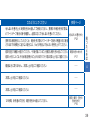
携帯する時間を長くしていただくか、時計を外す際のパワーリザーブ表示の残量が次に使用
されるまでの時間分に足りない場合には、りゅうずを回してぜんまいを巻き上げてください。
P12
磁気を発生する機器から遠ざけてください。その後作動していることを確認し時計を合わせ直してください。 時刻の合わせかた
P17
磁気の大きさによっては、その後の影響を受けることがありますので、その際はお買い上げ店にご相談ください。
精度は元に戻りません。お買い上げ店にご相談ください
─
お買い上げ店にご相談ください。
─
お買い上げ店にご相談ください。
12 時間、針を進めて日付、曜日を合わせ直してください。
困ったときは
このようにしてください
ぜんまいを巻き上げ、
時刻を合わせ直してご使用ください。携帯中や時計を外す際は、
パワーリザーブ表示の針を確認し、必要に応じてぜんまいを巻いてください。
ぜんまいの巻きかた
4
─
時刻・曜日・日付の
合わせかた
P16
39
メカニカルウオッチの精度について
●メカニカルウオッチの精度は「日差」です。
●メカニカルウオッチの精度は時計の姿勢(向き)によって、進み/遅れ具合が変
わり、またお客様のご使用になる条件(携帯時間・温度・腕の動き・ぜんまいの巻
き上げ量など)により、所定の精度の範囲を超える場合があります。
製品仕様
5
40
●1日のみの誤差で判断せず1週間程度の誤差で判断するようにしてください。
●精度の温度差
・メカニカルウオッチの精度を作る部分には金属が使われています。金属の特性
として、温度の変化によって伸び縮みすることは良く知られています。これが時
計の精度に影響を与えます。メカニカルウオッチは高温下では遅れがちになり
低温下では進みがちになります。
● 磁気の影響
外部から強い磁気の影響を受けますと、一時的に精度がズレることがあります。
影響の度合いによっては、部品が磁化してしまう事があります。
その場合は磁気抜き等の修理が必要となりますので、お買い上げ店にご依頼く
ださい。
製品仕様
●ぜんまいの巻き具合と精度
精度を高めるためには、歯車の速度をコントロールするてんぷに規則正しくエネ
ルギーを補給する事が重要です。メカニカルウオッチの動力源であるぜんまい
は、いっぱいに巻かれている状態とほどける直前の状態では力が異なり、ほどけ
るにしたがって力が弱くなっていきます。
自動巻き式は頻繁に携帯していただく事で、また手巻き式はぜんまいを毎日一
回一定の時刻に充分に巻き上げて規則正しく動かす事で、比較的安定した精度
が得られます。
5
41
製品仕様
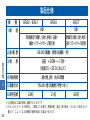
機 種
6R27
6針
5針
時間表示(時針、分針、秒針)
・日針・
曜針・パワーリザーブ表示針
時間表示(時針、分針、秒針)
・
日針・パワーリザーブ表示針
1.機 能
製品仕様
5
6R24
6R20/6R21
2.振 動 数
28,800振動/時間(8振動/秒)
3.精 度
日差 +25秒∼−15秒
(常温5℃∼35℃において)
4.持続時間
最大巻上時 約45時間
5.駆動方式
ぜんまい巻(自動巻〈手巻つき〉)
6.使用石数
29石
31石
29石
※上記精度は工場出荷時に調整されたものです。
※メカニカルウオッチの特性上、ご使用になる条件(携帯時間、温度、腕の動き、ぜんまいの巻き上がり
量など)によっては上記精度の範囲を超える場合があります。
42
Thank you very much for choosing a SEIKO watch.
For proper and safe use of your SEIKO watch,
please read carefully the instructions in this
booklet before using.
Keep this manual handy for easy reference.
※ Length adjustment service for metallic bands is available at
the retailer from whom the watch was purchased or SEIKO
CUSTOMER SERVICE CENTER.
The service may also be available on a chargeable basis at other
retailers, however, some retailers may not undertake the service.
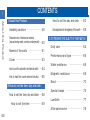
CONTENTS
1
About this Product
1.About this Product
How to set the day and date
… 60
Handling cautions …………………… 46
Date adjustment at the beginning of the month … 62
Characteristics of mechanical watches
(manual winding model, automatic winding model)… 50
3.TO PRESERVE THE QUALITY OF YOUR WATCH
Daily care ……………………………… 64
Names of the parts ………………… 51
Performance and type ……………… 65
Crown …………………………………… 53
Water resistance
…………………… 66
How to use the automatic mechanical watch … 54
Magnetic resistance ………………… 68
How to read the power reserve indicator … 56
Band ……………………………………… 70
2.How to set the time, day and date
Special clasps
……………………… 72
How to set the time, day and date … 58
Lumibrite
……………………………… 77
How to set the time ……………… 59
After-sale service …………………… 78
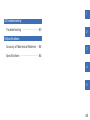
44
1
4.Troubleshooting
Troubleshooting ……………………… 80
2
5.Specifications
Accuracy of Mechanical Watches … 82
3
Specifications ………………………… 84
4
5
45
1
Handling cautions
About this Product
WARNING
To indicate the risks of serious consequences such as severe injuries unless the
following safety regulations are strictly observed.
・Immediately stop wearing the watch in following cases.
○ If the watch body or band becomes edged by corrosion etc.
○ If the pins protrude from the band.
※ Immediately consult the retailer from whom the watch was purchased or SEIKO
CUSTOMER SERVICE CENTER.
・Keep the watch and accessories out of the reach of babies and children.
Care should be taken to prevent a baby or a child accidentally swallowing the accessories.
If a baby or child swallows the battery or accessories, immediately consult a doctor, as
it will be harmful to the health of the baby or child.
46
CAUTION
・Avoid the following places for wearing or keeping the watch.
○ Places where volatile agents(cosmetics such as polish remover, bug repellent, thinners etc.)are vaporizing
○ Places where the temperature drops below 5℃ or rises above 35℃ for a long time
○ Places of high humidity
○ Places affected by strong magnetism or static electricity
○ Dusty places
○ Places affected by strong vibrations
・If you observe any allergic symptoms or skin irritation
About this Product
To indicate the risks of light injuries or material damages unless the following safety
regulations are strictly observed.
1
Stop wearing the watch immediately and consult a specialist such as a dermatologist or an allergist
・Other cautions
○ Do not adjust the metal band yourself, as there is a risk of hand or finger injuries and
losing parts.
○ Do not disassemble or tamper with the watch.
○ Keep the watch out of the reach of babies and children.
Extra care should be taken to avoid risks of any injury or allergic rash or itching that
may be caused when they touch the watch.
47
1
WARNING
About this Product
Do not use the watch in scuba diving or
saturation diving.
The various tightened inspections under simulated harsh environment, which
are usually required for watches designed for scuba diving or saturation
diving, have not been conducted on the water-resistant watch with the BAR
(barometric pressure) display. For diving, use special watches for diving.
CAUTION
Do not turn or pull out the crown when the
watch is wet.
Water may get inside of the watch.
※ If the inner surface of the glass is clouded with condensation or water droplets
appear inside of the watch for a long time, the water resistant performance of the
watch is deteriorated. Immediately consult the retailer from whom the watch was
purchased or SEIKO CUSTMER SERVICE CENTER (listed on the end of a book).
48
CAUTION
Be aware of a risk that a water resistant watch may lessen its water
resistant performance because of deterioration of the adhesive on
the glass or gasket, or the development of rust on stainless steel.
Do not wear the watch while taking a bath or a
sauna.
About this Product
Do not leave moisture, sweat and dirt on the
watch for a long time.
1
Steam, soap or some components of a hot spring may
accelerate the deterioration of water resistant performance
of the watch.
Do no t pour running wat er dir ec tly fr om
faucet.
The water pressure of tap water from a faucet is high
enough to degrade the water resistant performance of a
water resistant watch for everyday life.
49
1
About this Product
50
Characteristics of mechanical watches(manual winding model, automatic winding model)
・This is a mechanical watch that uses the mainspring as its power
source.
・When starting to use a watch after it stops, turn the crown
approximately 20 times by hand to wind the mainspring.
・Accuracy of mechanical watch is indicated by a daily rate(loss
or gain per one day), while that of quartz watch is indicated by a
monthly or annual rate.
・Accuracy of mechanical watch may slightly vary depending on the
various conditions of use(such as the length of time during which
the watch is worn on the wrist, temperature environment, arm
movement, and winding state of the mainspring).
・W h e n a f f e c t e d by a st r o ng m a g n e t ism f r o m o u t sid e , t h e
mechanical watch may temporarily lose or gain time. The parts
of the watch may become magnetized depending on the extent
of the effect. In such a case, consult the retailer from whom the
watch was purchased since the watch requires repair including
demagnetizing.
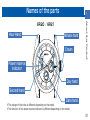
Names of the parts
1
Hour Hand
Minute hand
Crown
About this Product
6R20 ╱ 6R21
Power reserve
indicator
Day hand
Second hand
Date hand
※The design of the index is different depending on the model.
※The direction of the power reserve indicator is different depending on the model.
51
1
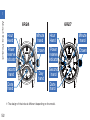
About this Product
6R24
6R27
Hour
Hand
Minute
hand
Hour
Hand
Minute
hand
Power
reserve
indicator
Crown
Power
reserve
indicator
Crown
Second
hand
Date
hand
Day
hand
Second
hand
Date
hand
※ The design of the index is diff erent depending on the model.
52
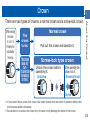
Crown
1
While pressing
the crown
in, turn it in
the direction
indicated by
the arrow.
The
crown
turns.
The crown
does not
turn.
(It cannot be
turned any
further.)
Normal crown
Pull out the crown and operate it.
Screw-lock type crown
Unlock the crown before
operating it.
Unscrew
About this Product
There are two types of crowns, a normal crown and a screw-lock crown.
After operating the
crown, lock it.
While pressing the crown
Screw
※ If your watch has a screw-lock crown, the crown screws into the watch to prevent malfunction
and increase water resistance.
※ Be careful not to screw the crown in by force as it may damage the slots of the crown.
53
1
How to use the automatic mechanical watch
About this Product
1 This is an automatic mechanical watch with manual winding mechanism.
the watch is worn on the wrist, the mainspring is wound
2 When
automatically through normal wrist movement.
The watch can also be wound up by turning the crown. To do so,
unscrew the crown by turning it counterclockwise.
start the watch after it stops completely, wind it up either by turning
3 To
the crown or swinging it from side to side until the second hand starts
moving. Then, set the time and date before putting the watch on the
wrist.
To wind up the watch, unscrew the crown by turning it counterclockwise,
and then, turn it clockwise slowly. The watch cannot be wound by turning
the crown counterclockwise.
4 In the case of a model with the power reserve indicator, wind up the
watch until the power reserve indicator shows a full-wound state. The
watch is wound up fully. (Turning the crown further will not break the
spring) Once the watch is wound up fully, it operates for about 45 hours.
※ To check the winding state of the mainspring, refer to "How to read the power reserve indicator " on
page 56.
54
1
About this Product
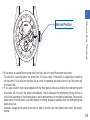
Normal Position
※ If the watch is used without being wound up fully, gain or loss of the watch may result.
To avoid this, wear the watch for more than 10 hours a day. If the watch is used without wearing
on the wrist; if it is used on the desk like a clock, for example; be sure to wind it up fully every day
at a fi xed time.
※ If you use a watch that has stopped with the mainspring unwound, winding the mainspring with
the crown will not start the watch immediately. That is because the mainspring torque (force) is
low at the beginning of its winding due to the characteristics of mechanical watches. The second
hand starts to move when a certain degree of strong torque is reached after the mainspring has
been wound up.
However, swinging the watch from side to side to forcibly turn the balance can start the watch
sooner
55
1
How to read the power reserve indicator
About this Product
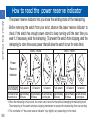
・ The power reserve indicator lets you know the winding state of the mainspring.
・ Before removing the watch from your wrist, observe the power reserve indicator to
check if the watch has enough power stored to keep running until the next time you
wear it. If necessary, wind the mainspring. (To prevent the watch from stopping, wind the
mainspring to store the excess power that will allow the watch to run for extra time.)
6R20╱6R24
6R21/6R27
Power
Reserve
Indicator
The period
when
accuracy
is stable
The winding state
Fully wound
of the mainspring
The number of hours Approximately
the watch can run
45 hours
1/2 wound
The period
when
accuracy
is stable
Unwound
Fully wound
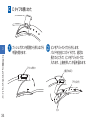
Approximately The watch either stops Approximately
45 hours
or is running down.
20 hours
1/2 wound
Unwound
Approximately The watch either stops
or is running down.
20 hours
※ When the mainspring is fully wound, the crown can be turned further without damaging the mainspring itself.
The mainspring of the watch employs a slipping mechanism to prevent the mainspring from over-winding.
※ The orientation of "the power reserve indicator" may slightly vary depending on the model.
56
57
How to set the time, day and date
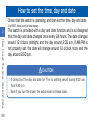
・Check that the watch is operating, and then set the time, day and date.
※ In 6R27, there is only a date display.
2
How to set the time, day and date
58
・The watch is provided with a day and date function and is so designed
that the day and date changes once every 24 hours. The date changes
around 12 o'clock midnight, and the day around 2:00 a.m. If AM/PM is
not properly set, the date will change around 12 o'clock noon, and the
day around 2:00 p.m.
CAUTION
○ It cannot set the day and date for "The no setting period" during 2:00 a.m.
from 9:30 p.m.
Even if you turn the crown, the watch does not break down.
■ How to set the time
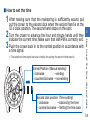
After making sure that the mainspring is sufficiently wound, pull
1 out
the crown to the second click when the second hand is at the
12 o’
clock position. The second hand stops on the spot.
※ The telephone time signal service is helpful for setting the second hand exactly.
Normal Position(Manual winding)
・clockwise → winding
・couunterclockwise → non-winding
Second click position(Time setting)
・clockwise → Advancing the time
・counterclockwise → Setting the time back
2
How to set the time, day and date
2 Turn the crown to advance the hour and minute hands until they
indicate the current time. Make sure that AM/PM is correctly set.
the crown back in to the normal position in accordance with
3 Push
a time signal.
59
■ How to set the day and date
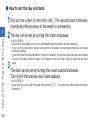
1 Pull out the crown to the first click. (The second hand continues
moving and the accuracy of the watch is unimpaired.)
2
How to set the time, day and date
60
2 The day can be set by turning the crown clockwise.
<for Cal. 6R24>
・Do not set the day hand to point to an intermediate position between two day indicators.
・If you turn the crown after the day hand points to Saturday, the day hand jumps back and stops
pointing to Sunday.
・If you fast forward the day hand after it points to Saturday, the day hand may jump back and forward
to point to Monday, skipping Sunday. If this happens, turn the crown slowly to reset the day hand
again.
3 The date can be set by turning the crown counterclockwise.
Turn it until the previous day's date appears.
<for Cal. 6R24>
・If you turn the crown after the date hand points to“31”, the date hand jumps back and stops
pointing to“1”.
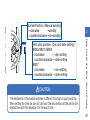
Normal Position(Manual winding)
・clockwise →winding
・counterclockwise→non-winding
CAUTION
・The mechanism of mechanical watches is different from that of quartz watches.
When setting the time, be sure to turn back the minute hand a little behind the
desired time and then advance it to the exact time.
How to set the time, day and date
First click position(Day and date setting)
6R20/6R21/6R24
・clockwise → day setting
・counterclockwise → date setting
6R27
・clockwise → non-setting
・counterclockwise → date setting
2
61
■ Date adjustment at the beginning of the month
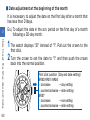
It is necessary to adjust the date on the first day after a month that
has less than 31days.
2
How to set the time, day and date
62
Ex.) To adjust the date in the a.m. period on the first day of a month
following a 30-day month.
1 The watch displays "31" instead of "1". Pull out the crown to the
first click.
2 Turn the crown to set the date to "1" and then push the crown
back into the normal position.
First click position(Day and date setting)
6R20/6R21/6R24
・clockwise → day setting
・counterclockwise → date setting
6R27
・clockwise → non-setting
・counterclockwise → date setting
CAUTION
○ It cannot set the day and date for "The no setting period" during 2:00
a.m. from 9:30 p.m.
Even if you turn the crown, the watch does not break down.
2
How to set the time, day and date
63
Daily care
● The watch requires good daily care
3
TO PRESERVE THE QUALITY OF YOUR WATCH
64
・Do not wash the watch when its crown is at the extended position.
・Wipe away moisture, sweat or dirt with a soft cloth
・To clean the clearances (around the metallic band, crown or case back), a
soft toothbrush is convenient.
・After soaking the watch in seawater, be sure to wash the watch in clean pure
water and wipe it dry carefully.
※ If your watch is rated as“non-water resistant”or“water resistant for daily
use,”do not wash the watch.
Performance and type → page 65.
Water resistance → page 66.
● Turn the crown from time to time
・In order to prevent corrosion of the crown, turn the crown from time to time.
・The same practice should be applied to a screw lock type crown.
(No need to pull out the screw lock type crown.)
Crown → page 53
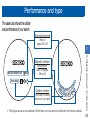
Performance and type
The case back shows the caliber
and performance of your watch
Water resistant performance
Refer to
pages 66 to 67
3
R2 AG
AT
W
7N01-0B40
Reter to pages
68 to 69
Caliber number
The number to identify
the type of your watch
R
WATER RESISTANT 10BAR
A
ER R
0B
7N
ES I STANT 1
01 A
0B4 0 R2 G
※ The figure above is one example. Performance of your watch is different from above sample.
TO PRESERVE THE QUALITY OF YOUR WATCH
Magnetic resistant
performance
65
Water resistance
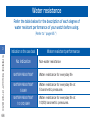
Refer the table below for the description of each degree of
water resistant performance of your watch before using.
(Refer to " page 65 ")
3
TO PRESERVE THE QUALITY OF YOUR WATCH
66
Indication on the case back
No indication
Water resistant performance
Non-water resistance
WATER RESISTANT
Water resistance for everyday life
WATER RESISTANT
5 BAR
Water resistance for everyday life at
5 barometric pressures
WATER RESISTANT
10 (20) BAR
Water resistance for everyday life at
10(20) barometric pressures.
3
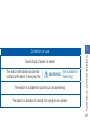
Condition of use
The watch withstands accidental
contact with water in everyday life.
WARNING
Not suitable for
swimming
The watch is suitable for sports such as swimming.
The watch is suitable for diving not using an air cylinder.
TO PRESERVE THE QUALITY OF YOUR WATCH
Avoid drops of water or sweat
67
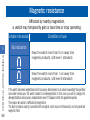
Magnetic resistance
Affected by nearby magnetism,
a watch may temporarily gain or lose time or stop operating.
Indication on the case back
3
TO PRESERVE THE QUALITY OF YOUR WATCH
68
Condition of use
No indication
Keep the watch more than 5 cm away from
magnetic products. (JIS level-1 standard)
Keep the watch more than 1 cm away from
magnetic products. (JIS level-2 standard)
If the watch becomes magnetized and its accuracy deteriorates to an extent exceeding the specified
rate under normal use, the watch needs to be demagnetized. In this case, you will be charged for
demagnetization and accuracy readjustment even if it happens within the guarantee period.
The reason why watch is affected by magnetism
The built-in balance spring is provided with a magnet, which may be influenced by a strong external
magnetic field.
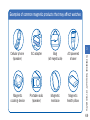
Examples of common magnetic products that may affect watches
3
AC adapter
Bag
(with magnet buckle)
AC-powered
shaver
Magnetic
cooking device
Portable radio
(speaker)
Magnetic
necklace
Magnetic
health pillow
TO PRESERVE THE QUALITY OF YOUR WATCH
Cellular phone
(speaker)
69
Band
The band touches the skin directly and becomes dirty with sweat or dust.
Therefore, lack of care may accelerate deterioration of the band or cause skin irritation
or stain on the sleeve edge. The watch requires a lot of attention for long usage.
● Metallic band
3
TO PRESERVE THE QUALITY OF YOUR WATCH
70
・Moisture, sweat or soil will cause rust even on a stainless steel band if they are left
for a long time.
・Lack of care may cause a yellowish or gold stain on the lower sleeve edge of shirts.
・Wipe off moisture, sweat or soil with a soft cloth as soon as possible
・To clean the soil around the joint gaps of the band, wipe it out in water and then
brush it off with a soft toothbrush.
(Protect the watch body from water splashes by wrapping it up in plastic wrap etc.)
・Because some titan bracelets use pins made of stainless steel, which has
outstanding strength, rust may form in the stainless steel parts.
・If rust advances, pins may poke out or drop out, and the watch case may fall off the
bracelet, or the clasp may not open.
・If a pin is poking out, personal injury may result. In such a case, refrain from using
the watch and request repair.
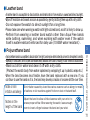
● Leather band
・A leather band is susceptible to discoloration and deterioration from moisture, sweat and direct sunlight.
・Wipe off moisture and sweat as soon as possible by gently blotting them up with a dry cloth.
・Do not expose the watch to direct sunlight for a long time.
・Please take care when wearing a watch with light-colored band, as dirt is likely to show up.
・Refrain from wearing a leather band watch other than Aqua Free bands
while bathing, swimming, and when working with water even if the watch
itself is water-resistant enforced for daily use(10-BAR water resistant).
● Polyurethane band
Notes on skin
irritation and allergy
Skin irritation caused by a band has various reasons such as allergy to metals
or leathers, or skin reactions against friction on dust or the band itself.
Notes on the
length of the band
Adjust the band to allow a little clearance with your wrist to
ensure proper airfl ow. When wearing the watch, leave enough
room to insert a fi nger between the band and your wrist.
3
TO PRESERVE THE QUALITY OF YOUR WATCH
・A polyurethane band is susceptible to discoloration from light, and may be deteriorated by solvent or atmospheric humidity.
・Especially a translucent, white, or pale colored band easily adsorbs other colors, resulting in color smears or discoloration.
・Wash out dirt in water and clean it off with a dry cloth.
(Protect the watch body from water splashes by wrapping it up in plastic wrap etc.)
・When the band becomes less flexible, have the band replaced with a new one. If you
continue to use the band as it is, the band may develop cracks or become brittle over time.
71
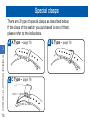
Special clasps
There are 3 type of special clasps as described below;
If the clasp of the watch you purchased is one of them,
please refer to the indications.
A
A Type → page 73
C
C Type → page 76
3
TO PRESERVE THE QUALITY OF YOUR WATCH
72
B
B Type → page 74
A
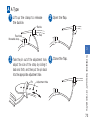
A Type
1
Lift up the clasp to release
the buckle.
2
Open the flap.
Buckle
Flap
Fixed loop
Moveable loop
3
Take the pin out of the adjustment hole,
adjust the size of the strap by sliding it
back and forth, and then put the pin back
into the appropriate adjustment hole.
Pin
Adjustment hole
4
Close the flap.
TO PRESERVE THE QUALITY OF YOUR WATCH
3
73
B
3
TO PRESERVE THE QUALITY OF YOUR WATCH
74
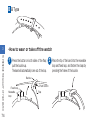
B Type
・How to wear or take off the watch
1
Press the button on both sides of the flap ;
pull the buckle up.
The band will automatically come out of the loop.
Buckle
Fixed loop
Moveable
loop
Push button
Flap
2
Place the tip of the band into the moveable
loop and fixed loop, and fasten the clasp by
pressing the frame of the buckle.
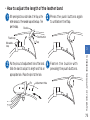
・How to adjust the length of the leather band
1
With pressing buttons on both sides of the flap, pull the
leather band out of the moveable loop and fixed loop. Then
open the clasp.
Buckle
2
Press the push buttons again
to unfasten the flap.
Push button
Fixed loop
Flap
Moveable
loop
3
Pull the pin out of a adjustment hole of the band.
Slide the band to adjust its length and find an
appropriate hole. Place the pin into the hole.
Pin
4
Adjustment hole
Fasten the buckle with
pressing the push buttons.
TO PRESERVE THE QUALITY OF YOUR WATCH
3
75
C
3
TO PRESERVE THE QUALITY OF YOUR WATCH
76
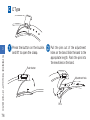
1
C Type
Press the button on the buckle,
and lift to open the clasp.
2
Pull the pins out of the adjustment
holes on the band. Slide the band to the
appropriate length. Push the pins into
the new holes on the band.
Push button
Adjustment hole
Pins
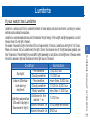
Lumibrite
If your watch has Lumibrite
Condition
Fine weather
Sunlight
Cloudy weather
Fine weather
Indoor (Windowside during
Cloudy weather
daytime)
Rainy weather
Distance to the
Lighting apparatus
watch: 1 m
(40-watt daylight
Distance to the watch: 3 m
fluorescent light)
Distance to the watch: 4 m
Illumination
100,000 lux
10,000 lux
more than 3,000 lux
1,000 to 3,000 lux
less than 1,000 lux
1,000 lux
500 lux (average room luminance)
250 lux
3
TO PRESERVE THE QUALITY OF YOUR WATCH
Lumibrite is a luminous paint that is completely harmless to human beings and natural environment, containing no noxious
materials such as radioactive substance.
Lumibrite is a newly-developed luminous paint that absorbs the light energy of the sunlight and lighting apparatus in a short
time and stores it to emit light in the dark.
For example, if exposed to a light of more than 500 lux for approximately 10 minutes, Lumibrite can emit light for 3 to 5 hours.
Please note, however, that, as Lumibrite emits the light it stores, the luminance level of the light decreases gradually over
time. The duration of the emitted light may also differ slightly depending on such factors as the brightness of the place where
the watch is exposed to light and the distance from the light source to the watch.
77
After-sale service
● Notes on guarantee and repair
3
TO PRESERVE THE QUALITY OF YOUR WATCH
78
・Contact the retailer the watch was purchased from or SEIKO CUSTOMER
SERVICE CENTER for repair or overhaul.
・Within the guarantee period, present the certificate of guarantee to receive
repair services.
・Guarantee coverage is provided in the certificate of guarantee. Read carefully
and retain it.
・For repair services after the guarantee period has expired, if the functions of
the watch can be restored by repair work, we will undertake repair services
upon request and payment.
● Repair parts
・The repair parts of this watch will be retained usually for 7 years.
・Some alternative parts may be used for repair if necessary.
● Inspection and adjustment by disassembly and cleaning
(overhaul)
3
TO PRESERVE THE QUALITY OF YOUR WATCH
・ Periodic inspection and adjustment by disassembly and cleaning (overhaul) is recommended
approximately once every 2 to 3 years in order to maintain optimal performance of the watch
for a long time. The power transmission gear of the movement of this watch constantly
receives force. To ensure that this mechanism works properly all the time, washing parts,
changing oil, adjusting accuracy, checking functions and replacing consumable parts on a
regular basis are important. The first overhaul after the purchase of your watch is particularly
important for preserving long-time use of your watch. According to use conditions, the oil
retaining condition of your watch mechanical parts may deteriorate, abrasion of the parts
due to contamination of oil may advance or delay the time significantly, or the watch itself
may stop. As the parts such as gasket may deteriorate, water-resistant performance may
be impaired due to intrusion of perspiration and moisture. Please contact the retailer from
whom the watch was purchased for inspection and adjustment by disassembly and cleaning
(overhaul). For replacement of parts, please specify "SEIKO GENUINE PARTS." When asking
for inspection and adjustment by disassembly and cleaning (overhaul), make sure that the
gasket and push pin are also replaced with new ones.
79
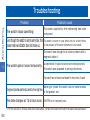
Troubleshooting
Problem
Troubleshooting
4
Possible cause
The watch stops operating.
The power supplied by the mainspring has been
consumed.
Even though the watch is worn every day, the
power reserve indicator does not move up.
The watch is worn on your wrist only for a short time,
or the amount of the arm movement is too small.
The watch was brought into close contact with a
magnetic object.
The watch gains/ loses temporarily.
You dropped the watch, hit it against a hard surface or wore it while playing active sports.
The watch was exposed to strong vibrations.
The watch has not been overhauled for more than 3 years.
The glass is blurred and the blur persists for a long time.
Water got inside the watch due to deterioration
of the gasket, etc.
The date changes at 12 o'clock noon. AM/PM is not properly set.
※ For the solution of troubles other than listed above, contact the retailer from whom the watch was purchased.
80
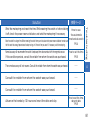
Solution
参照ページ
How to set the time
P59
Troubleshooting
The normal accuracy will not resume. Consult the retailer from whom the watch was purchased.
─
4
Consult the retailer from whom the watch was purchased.
─
Wind the mainspring and reset the time. While wearing the watch or before taking
it off, check the power reserve indicator, and wind the mainspring if necessary.
How to use
the automatic
Wear the watch for a longer time. Before removing the watch from your wrist, observe the power reserve indicator to make sure mechanical watch
P54
that the watch has enough power stored to keep running until the next time you wear it. If necessary, wind the mainspring.
Normal accuracy will resume when the watch is kept away from close contact with the magnetic source.
If this condition persists, consult the retailer from whom the watch was purchased.
Consult the retailer from whom the watch was purchased.
Advance the hands by 12 hours and reset the date and day.
─
How to set the time,
day and date
P58
81
Accuracy of Mechanical Watches
●The accuracy of mechanical watches is indicated by the "daily rate."
Specifications
5
82
●The accuracy of mechanical watches may not fall within the specified
range of time accuracy because loss/gain changes due to the position
of the watch, which is dependent on the conditions of use, such as
the length of time during which the watch is worn on the wrist, arm
movement, and whether the mainspring is wound up fully or not, etc.
●The loss/gain of mechanical watches is not measured by a daily
rate, but by daily rates of one week or so.
●Accuracy variation according to temperature
・The parts that compose the accuracy of mechanical watches are made
of metals. It is well known that metals expand or contract depending
on temperatures due to metal properties. This exerts an effect on the
accuracy of the watches. Mechanical watches tend to lose time at high
temperatures while they tend to gain time at low temperatures.
●Effect of magnetism
When affected by a strong magnetism from outside, the mechanical
watch may lose/gain time temporarily. The parts of the watch may
become magnetized depending on the extent of the effect. In such
a case, consult the retailer from whom the watch was purchased
since the watch requires repair including demagnetizing.
Specifications
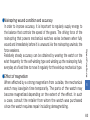
●Mainspring wound condition and accuracy
In order to improve accuracy, it is important to regularly supply energy to
the balance that controls the speed of the gears. The driving force of the
mainspring that powers mechanical watches varies between when fully
wound and immediately before it is unwound. As the mainspring unwinds, the
force weakens.
Relatively steady accuracy can be obtained by wearing the watch on the
wrist frequently for the self-winding type and winding up the mainspring fully
everyday at a fixed time to move it regularly for the wind-up mechanical type.
5
83
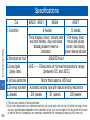
Specifications
Cal.
6R20/6R21
Specifications
5
6R27
5 hands
Time display (Hour, minute and
Time display (Hour,
second hands), day and date
minute and second
display,power reserve
hands), date display,
indicator
power reserve indicator
2.Vibrations per hour
3.Loss/gain
(daily rate)
28,800/Hour
+25 ∼ −15seconds at normal temperature range
(between 5℃ and 35℃)
4.Continuous operating time
More than approx. 45 hour
5.Driving system
Automatic winding type with manual winding mechanism
6.Jewels
84
6R24
6 hands
1.Function
29 jewels
31 jewels
29 jewels
※The accuracy above is factory-adjusted.
※Due to the characteristics of mechanical watches, any actual daily rate may not fall within the range of time
accuracy specified above dependent on the conditions of use, such as the length of time during which the watch
is worn on the wrist, temperature, arm movement, and whether the mainspring is wound up fully or not, etc.
全国共通フリーダイヤル
0120-612-911
お客様相談室
〒100-0005 東京都千代田区丸の内 3-1-1 国際ビル
〒550-0013 大阪市西区新町 1-4-24 大阪四ツ橋新町ビルディング
本社 〒105-8467 東京都港区虎ノ門 2-8-10
http://www.seiko-watch.co.jp/
6R20 6R21 6R24 6R27
BSB6R2C-A1206