1
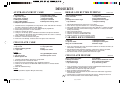
 GENERAL INFORMATION
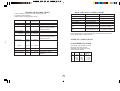
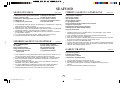
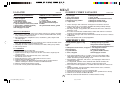
GLOSSARY OF TERMS
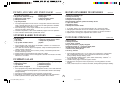
DEFROSTING
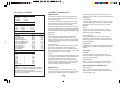
SPOON MEASURES
1 tablespoon = 20 mL
1 teaspoon
= 5 mL
1
/2 teaspoon
= 2.5 mL
1
/4 teaspoon
= 1.25 mL
Thawing food, especially meats, using the microwave
oven is not only faster than any other method but it can
also give better results.
Once frozen meat is thawed, it begins to lose its juices.
LIQUID MEASURES
Cups
1 cup
/2 cup
1
/3 cup
1
/4 cup
1
Metric
=
=
=
=
250 mL
125 mL
80 mL
60 mL
With a microwave oven you can thaw meat just before
you plan to cook it, thus preserving the quality.
Imperial
=
=
=
=
8 fl. oz.
4 fl. oz.
2.5 fl. oz.
2 fl. oz.
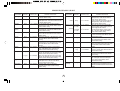
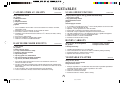
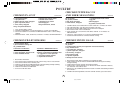
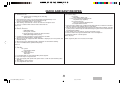
CUP MEASURES
Metric
1 cup flour
1 cup sugar
1 cup brown sugar
1 cup icing sugar
1 cup butter/margarine
1 cup honey/golden syrup
1 cup fresh breadcrumbs
1 cup crushed biscuits
1 cup uncooked rice
1 cup mixed fruit
1 cup chopped nuts
1 cup coconut
140 g
250 g
185 g
185 g
250 g
375 g
60 g
125 g
220 g
185 g
125 g
90 g
Imperial
41/2 oz.
8 oz.
6 oz.
6 oz.
8 oz.
12 oz.
2 oz.
4 oz.
7 oz.
6 oz.
4 oz.
3 oz.
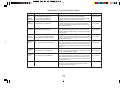
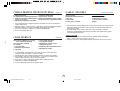
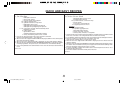
DRY INGREDIENTS
Metric
15 g
30 g
60 g
90 g
125 g
185 g
250 g
500 g
1000 g (1 kg)
Imperial
=
=
=
=
=
=
=
=
=
1
/2 oz.
1 oz.
2 oz.
3 oz.
4 oz.
6 oz.
8 oz.
1 lb.
2 lb.
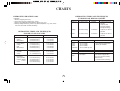
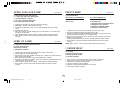
NOTE
• Recipes in this book use standard metric equipment
approved by the Australian Standards Association.
• All spoon and cup measures are level.
• All recipes in this book that include eggs require 55 g
unless otherwise specified.
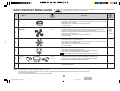
Microwave thawing doesn't mean a lot of fuss, but some
attention is needed to make sure that parts of food do not
start to cook before the centre is thawed. MEDIUM LOW
is fast enough to be convenient but gentle enough to give
good results.
POULTRY
Start thawing poultry breast-side down; shield warm
areas and turn over halfway through defrosting. Let
poultry stand 30 to 60 minutes after thawing, until giblets
and neck can be removed and breast meat under wings
is completely thawed.
CUTS OF MEAT
Break up or separate minced beef, cubed meat, chicken
pieces or fish fillets after one-third of thawing time.
Remove any thawed pieces. Place remainder in baking
dish to complete thawing. Turn over roasts, steaks, chops
or chicken. Separate as soon as possible.
JOINTS
Turn over large roasts halfway through defrosting. As you
turn, touch the meat to find warm areas and shield these
with small pieces of foil. Let roasts stand 30 to 45
minutes after defrosting time. Thaw meats and poultry
only until they can be pierced in the centre with a skewer.
Surface or cavity should feel cool but not icy. Cook as
soon as possible to prevent loss of juices.
while lasagne, which contains sensitive cheese and
cannot be stirred, should be reheated at MEDIUM HIGH
or MEDIUM.
CASSEROLES
Cover dish tightly with plastic wrap or a lid. Stir several
times during reheating, especially if casserole has been
refrigerated. If casserole cannot be stirred, reheat at
MEDIUM.
MEATS
Medium to thin slices reheat best. Cover meat with
sauce or gravy. Cover with microwave plastic wrap to
hold in heat. Reheat on MEDIUM.
PLATES OF FOOD
Arrange food with thickest parts of meat and bulky
vegetables to outside of the plate. Place quick-to-heat
foods in the centre. Cover with microwave plastic wrap.
Reheat on MEDIUM.
VEGETABLES
Wrap large, whole vegetables in microwave plastic wrap.
Cover dishes of vegetables and stir during reheating, if
possible.
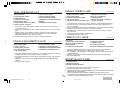
TOASTING
ALMONDS
Place 100 g almonds in a glass dish; cook for 3-31/2
minutes on HIGH, or until golden brown. Stir almonds
every minute during cooking.
SESAME SEEDS
Place 1/4 cup sesame seeds in a glass bowl; cook for 2-3
minutes on HIGH, or until golden. Stir every minute.
RECONSTITUTING DRIED FOODS
REHEATING
Foods reheated in the microwave oven taste freshly
cooked, not reheated. Suit the power level to the food. A
bowl of leftover vegetables can be reheated at HIGH,
38
DRIED FRUITS
Place 1 cup of fruit in a bowl, cover with cold water,
and cook for 41/2-5 minutes on HIGH. Stand covered for
5 minutes before using.