1
B15404-R0-261EN-UC-ENG
31/5/07
2:01 PM
Page 15
4. INSTALLING YOUR CARBON MONOXIDE ALARMS
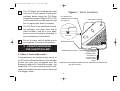
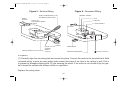
The Alarm is designed to be permanently mounted, using its own built-in terminal block to connect it to
the mains. The mounting plate can be screwed directly to the ceiling. Alternatively it can be screwed to a
standard junction box (BS 4662 single gang accessory box). It requires a current of 60mA. The Alarm
must not be exposed to dripping or splashing. There are important markings on the underside of the
alarm.
IMPORTANT PRECAUTION: Do not install the actual alarm itself in new or renovated buildings
until all work is completed (including floor coverings) and the building has been fully cleaned. The
wiring can be installed when appropriate. (Excessive dust and debris from building work can contaminate the sensor and cause problems, it will also invalidate the guarantee). If it must be
installed, cover it completely, particularly around the edges, with a dust cover, until all cleaning
is finished.
The Alarm must not be connected when the house wiring insulation is being checked with high voltages
i.e. don’t use an insulation tester on the alarm.
WARNING: Do not use the CO Alarm on an intermittent basis, or as a portable detector for the spillage
of combustion products from fuel burning appliances or chimneys.
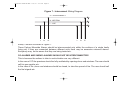
WARNING: Mains operated Alarms should be installed and interconnected by a qualified electrician in
accordance with the Regulations for Electrical Installations published by the Institution of Electrical
Engineers (UK). Failure to install this Alarm correctly may expose the user to shock or fire hazards.
WARNING: The Alarm must be continuously powered 24 hours a day so it is important that it is not on a
circuit that can be turned off by a switch.
13