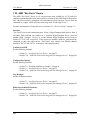
1
AMD Confidential
November 21st, 2008
User Manual
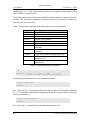
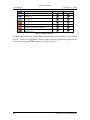
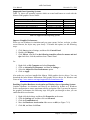
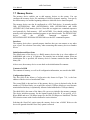
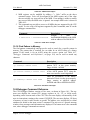
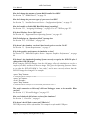
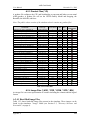
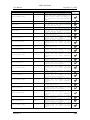
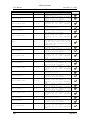
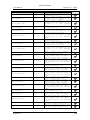
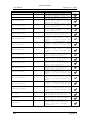
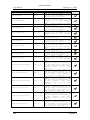
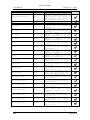
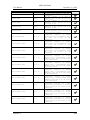
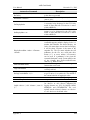
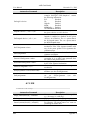
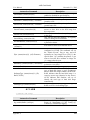
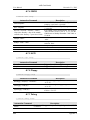
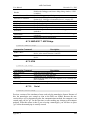
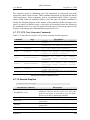
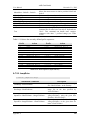
Debugger Command
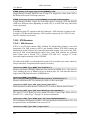
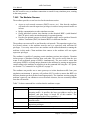
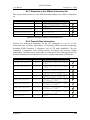
p
r [regname[= <value>]]
R16
R32
R64
s <Bus> <Device> <Function>
t [count]
u [address range]
v
q<a|1> [noncase]
<StartAddress>[,[l|p]]
<[[L]Length] | [EndAddress]>
<Pattern>
Definition
Similar to the t command, single steps the
simulation one instruction, unless the current
instruction is a call, software interrupt, or
repeated string instruction, in which case this
command sets a temporary execution
breakpoint at the instruction sequentially
following the current instruction, and starts
simulation.
Displays, and optionally alters, the contents of
various CPU registers. For a list of register
names that are supported, type R?. Normally,
the display is in the current CPU mode. To
force 16-bit, 32-bit, or 64-bit register display,
type R16, R32, or R64 respectively.
Display 16-bit registers (until the next
instruction).
Display 32-bit registers (until the next
instruction).
Display 64-bit registers (until the next
instruction).
Displays the PCI configuration registers
associated with the given Bus, Device, and
Function number.
Executes [count] instructions. The default value
for [count] is 1.
Disassembles instructions starting, at the given
address and continuing for [length] instructions.
Instructions are disassembled using the current
CPU execution mode.
Displays the version number information for the
attached processor device.
Search physical (default) or linear Memory for
pattern and display all or only first
occurrence(s).
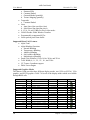
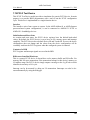
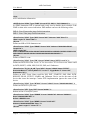
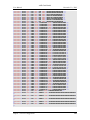
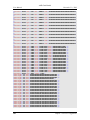
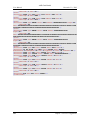
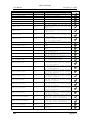
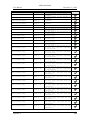
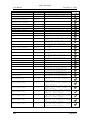
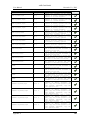
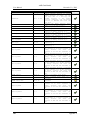
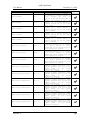
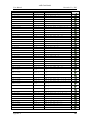
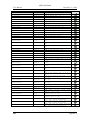
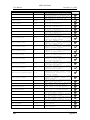
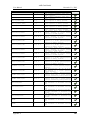
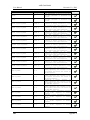
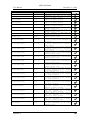
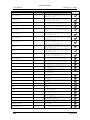
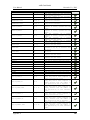
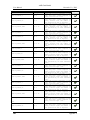
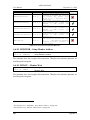
Table 10-7: Debugger Commands and Definitions
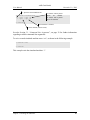
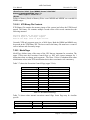
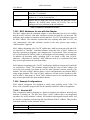
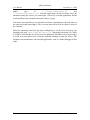
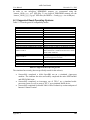
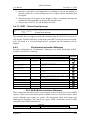
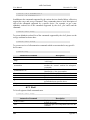
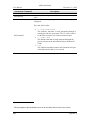
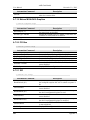
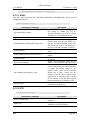
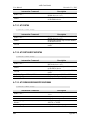
In general, address and count values can be specified as constants (hex for addresses,
ports, and values; decimal for counts and lengths), or as register names. For addresses,
the CS:, DS:, ES:, FS:, GS:, and SS: prefixes are also allowed.
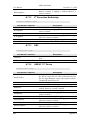
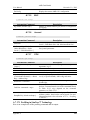
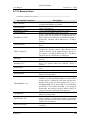
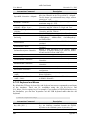
Address values may be suffixed by „,L‟ to specify a linear address (the default) or „,P‟ to
specify a physical address. Addresses may also be specified by their symbol name.
Precede the symbol name with a # character to distinguish it from a hex constant.
154
Chapter 10: CPU Debugger