1
Fitted Equipment
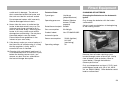
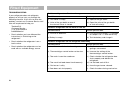
The heating system
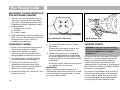
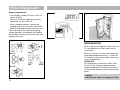
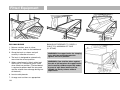
Regularly check the heating system's fluid
level in the expansion tank. The level should
be about 1cm above the minimum indicator
in a cold tank.
The heating system should be filled with a
mixture of water and glycol. For preference,
use high quality ready-mixed glycol (with
inhibitor) intended for use in aluminium
heating systems. If using concentrated
glycol, the mixture should consist of 60%
water and 40% glycol. If the heating system
will be exposed to temperatures below 25°C, the glycol content must be increased,
but not to more than 50%.
Any vessels used for the liquid must be
spotlessly clean, and the pipes in the heating
system must be free of contamination. This
will prevent the growth of bacterial in the
system.
The glycol mixture should be checked before
topping up with new liquid. This will ensure
that the concentration of glycol in the
mixture is not too high.
If the fluid level in the expansion tank falls for
reasons other than evaporation, please
check all joints, drain cocks and bleeder
screws to ensure that they are not leaking. If
the glycol-water mixture leaks out, rinse with
water and wipe up. Never allow the heating
system to stand empty of glycol.
68
FILLING THE SYSTEM WITH GLYCOL
FLUID
NB! Any vessels used for the liquid must be
spotlessly clean, and the pipes in the heating
system must be free of contamination. This
will prevent the growth of bacterial in the
system.
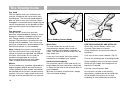
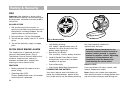
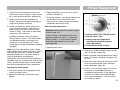
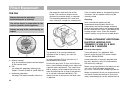
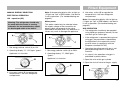
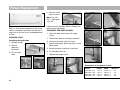
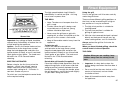
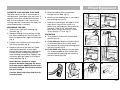
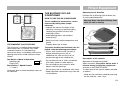
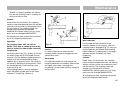
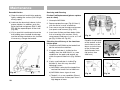
The system is filled through the expansion
tank, either manually or using the Alde filling
pump which both tops up and bleeds the
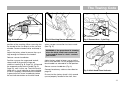
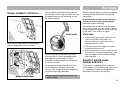
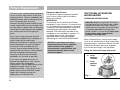
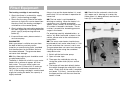
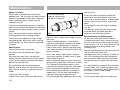
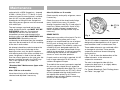
system. For manual filling, unfasten the
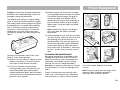
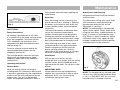
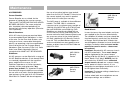
circulation pump nut (R) and life the pump
(S) out of the tank. Slowly pour the glycol
mixture into the tank. Bleed the system.
Top up with more liquid if the level has fallen
after bleeding. Bleed a newly filled system
regularly during the first days the heating
system is in operation.
BLEEDING THE SYSTEM
Depending on how the pipes have been
fitted, air pockets may form when the
system is filled with glycol fluid. A sign that
there is air trapped in the system is that the
heat released into the pipes only extends a
metre or so from the boiler even though the
circulation pump is operating. In newly filled
systems, small air bubbles can form in the
expansion tank, creating a murmuring
sound. If the circulation pump is stopped for
a few seconds, the bubbles will disappear.
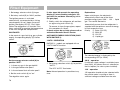
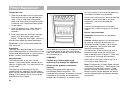
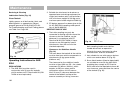
Bleeding
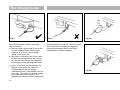
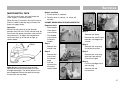
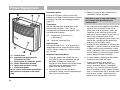
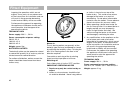
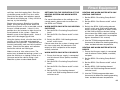
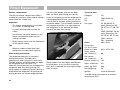
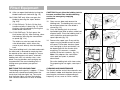
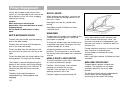
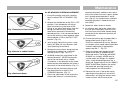
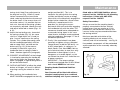
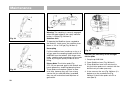
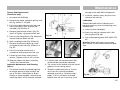
If a bleeder screw is fitted to the outgoing
pipe on the rear of the boiler, open this
bleeder screw and leave it open until it starts
to discharge water. If the boiler is fitted with
an automatic bleeder, there is no need to
bleed it manually.
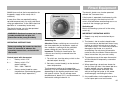
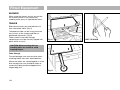
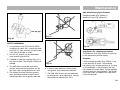
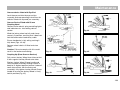
Start the LPG boiler. The circulation pump
should be switched off. Open the remaining
bleeder screws in the system (please refer to
the instruction manual of the vehicle for their
locations). Leave the bleeder screws open